Struggling to remove that stubborn kitchen faucet nut? You’re not alone.
Many homeowners find themselves facing this surprisingly tricky task. Whether you’re dealing with a leaky faucet or planning an upgrade, getting that nut off is essential. Imagine the satisfaction of finally turning that wrench and seeing the nut come loose.
It’s a small victory that leads to a fully functioning kitchen once again. In this guide, you’ll discover simple, step-by-step methods to tackle this challenge with ease. So, if you’re ready to conquer this common kitchen conundrum, keep reading to unlock the secrets of a hassle-free faucet nut removal.
Tools Needed
Removing a kitchen faucet nut requires a few basic tools. These tools make the job easier and safer. First, you need a wrench. It helps in loosening the nut. A pliersis also useful. It grips the nut tightly. You might need a penetrating oil. This oil helps if the nut is stuck. A flashlightis handy. It lights up dark corners under the sink. Finally, have a bucketready. It catches any water drips.
Credit: www.diychatroom.com
Safety Precautions
Always wear protective gloves to keep your hands safe. Use safety goggles to protect your eyes from dust. Ensure the water supply is turned off before starting. Check for any sharp tools or edges around the faucet. Keep children and pets away from your work area. Be cautious of slippery surfaces to prevent accidents.
Use a flashlight to see better under the sink. Make sure your workspace is well lit. Avoid using excessive force when loosening nuts. If you encounter rust, apply lubricant to help loosen it. Keep a towel nearby to wipe any spills. Ensure you have the correct tools for the job.
Turn Off Water Supply
First, locate the water valves under the sink. You will find two valves, one for hot water and one for cold. Turn the valves clockwiseto stop water flow. This prevents leaks and makes work easier.
Next, open the faucet to release any remaining water. This step ensures no water is left in the pipes. Check that no water drips from the faucet. If water continues to flow, check the valves again. Ensure they are tightly closed.
Use a towel to wipe any water around the valves. This keeps the area dry and safe. A dry space reduces slipping risks and keeps tools from rusting.
Clear Cabinet Space
First, make sure to clear out everything under the sink. This gives you space to move and work. Removing items will prevent clutter and accidents. Check for any cleaning supplies, tools, or trash. It’s best to have a clean area. Look for any bottles or containers that might spill. Move these items to a safe spot.
Lighting is also important. Use a flashlight if needed. It helps you see the faucet nut better. A clear cabinet space makes the task easier. You’ll have more room for tools and your hands. Safety is key, so keep the area tidy. Once the cabinet is cleared, you can start working on the faucet.
Locate Faucet Nut
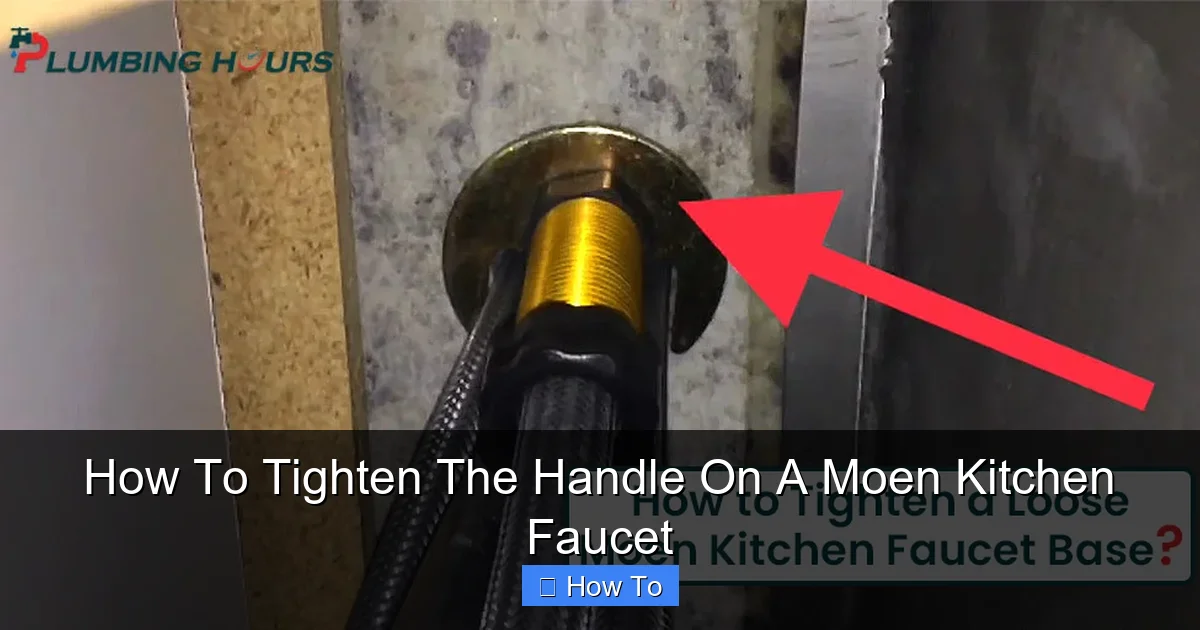
Find the faucet nut under your sink. It is usually near the wall. Use a flashlight to see better in dark spaces. The nut is often covered with grime. Use a cloth to wipe it clean if needed. Sometimes the nut is hard to reach. Tools like wrenches can help you reach tight spots. Make sure you have the right size wrench. Grip the nut firmly to avoid slipping. Turn it counterclockwise to loosen. If it’s stuck, use penetrating oil. Wait a few minutes after applying oil. Try turning the nut again after waiting. Be careful not to damage nearby pipes.
Check if the nut is loose enough. Once loose, you can remove it by hand. Keep your tools handy for any adjustments. Don’t rush, as patience is key in tight spaces. Ensuring you have good lighting helps. Double-check everything before proceeding further.
Use Basin Wrench
A basin wrench is a special tool. It helps in tight spaces. The wrench has a long handle. It reaches difficult areas easily. Its jaws grip the nut tightly. This makes turning easy. You can adjust the jaws. This fits different nut sizes. The handle is long. It provides better leverage. This helps in loosening the nut.
Place the jaws around the faucet nut. Turn the wrench counterclockwise. This will loosen the nut. If the nut is stuck, apply some oil. Wait a few minutes. Then, try turning again. The oil will help loosen the nut.
Always keep a firm grip. This prevents slipping. A basin wrench is useful. It makes the job quicker. It is a must-have for home repairs.
Loosen The Nut
First, gather your tools. You’ll need a basin wrench and some pliers. Make sure the water is off before starting. Use the basin wrench to reach the faucet nut. It’s located under the sink. Turn the wrench counterclockwise to loosen the nut. If it’s too tight, use some penetrating oil. This will help the nut move easier.
If the nut is still stuck, try using pliers. Grip the nut firmly and twist gently. Avoid using too much force to prevent damage. Patience is key here. Repeat the process until the nut loosens. Once loose, you can remove it by hand. Keep the area clean to see your progress better.

Credit: www.reddit.com
Remove The Nut
To remove the kitchen faucet nut, gather the right tools. Use a wrenchor pliers for a firm grip. Ensure the water supply is turned off. This prevents any unexpected leaks. Position yourself comfortably under the sink. Look up and locate the nut holding the faucet. Sometimes, the nut may be tight or rusted. If so, apply some penetrating oilto loosen it. Wait a few minutes for the oil to work.
Grip the nut with your tool and turn it counterclockwise. This direction helps to loosen it. If the nut is still stuck, try a stronger tool. A basin wrench might be needed for extra leverage. Be patient and apply steady pressure. Once the nut is loose, remove it carefully. Keep it in a safe place, in case you need it later. Now, the faucet can be lifted off the sink.
Inspect For Damage
Check the kitchen faucet nutcarefully. Look for signs of wear and tear. Rust and cracks mean damage. A damaged nut might need replacing.
Use a flashlight to see better. Check if the nut is loose. A loose nut can cause leaks. Tighten it if needed.
Feel around the nut with your fingers. Is it smooth or rough? Rough spots mean corrosion. Corrosion weakens the nut.
Make sure the tools are ready. Gather a wrench and pliers. These tools help remove stubborn nuts.
Plan your work area. Keep the sink clean and dry. This prevents accidents and mess.
Clean The Area
First, make sure the water is turned off. This is very important. Check both hot and cold water lines. This keeps everything dry and safe.
Next, clear items under the sink. You need space to work. Move cleaning supplies and towels aside. It helps to have a flashlight. This will brighten the area.
Gather your tools. A wrench is key for this task. Wear gloves for hand safety. Keep a small bucket nearby. Water might drip when you work.
Look for dirt and grime around the nut. Use a rag to wipe it clean. This makes it easier to see. A clean area helps you work faster.
Reassemble Faucet
Start by placing the faucet bodyback onto the sink hole. Make sure it fits snugly. Align the holes for a perfect fit. Next, attach the faucet nutunderneath the sink. Use your hands first to avoid cross-threading. Then, tighten it with a wrench.
Connect the water supply linesto the faucet. Ensure they are secure but not overtightened. Turn on the water to check for leaks. If you see any, tighten the connections gently.
Finally, test the faucet by turning it on and off. Ensure both hot and cold water flow correctly. Double-check that everything is secure and snug. Your faucet is now reassembled and ready to use!
Credit: www.diychatroom.com
Frequently Asked Questions
How Do I Loosen A Stuck Faucet Nut?
To loosen a stuck faucet nut, apply penetrating oil and let it sit for 10 minutes. Use a basin wrench to turn the nut counterclockwise. If it remains stubborn, gently tap the wrench with a hammer to break any corrosion.
What Tools Are Needed To Remove A Faucet Nut?
To remove a faucet nut, you’ll need a basin wrench, penetrating oil, and possibly a small hammer. A flashlight can help illuminate the workspace, ensuring you see the nut clearly. These tools make the process easier and more efficient.
Can I Remove A Faucet Nut Without A Basin Wrench?
Yes, you can remove a faucet nut without a basin wrench, but it may be challenging. Use pliers or an adjustable wrench if space permits. However, a basin wrench is specifically designed for this task and will make the job significantly easier.
Why Is My Kitchen Faucet Nut So Tight?
A kitchen faucet nut can be tight due to corrosion, mineral buildup, or overtightening during installation. Applying penetrating oil can help loosen it. Regular maintenance and cleaning can prevent this issue in the future, ensuring easier removal when necessary.
Conclusion
Removing a kitchen faucet nut can be simple. Just follow the steps above. Use the right tools. Ensure safety by turning off the water supply. Wear gloves to protect your hands. Keep patience during the process. Success takes time and care.
Once removed, inspect the nut and faucet. Replace if necessary. Regular maintenance helps avoid future issues. A well-functioning faucet makes kitchen tasks easier. Enjoy your smoothly running kitchen!