Have you ever found yourself staring at a leaky kitchen faucet, wondering how to tackle the problem without calling in a professional? You’re not alone.
Many homeowners face this common dilemma, and the good news is that you can fix it yourself with a bit of guidance. Imagine saving money, gaining a sense of accomplishment, and knowing that next time, you won’t have to panic at the sight of a drip.
You’ll discover straightforward steps to disassemble your kitchen faucet, making the task feel less daunting and more manageable. By the end, you’ll feel empowered to take control of your kitchen repairs, armed with knowledge and confidence. Keep reading to learn how easy it can be to get your faucet back in top shape.

Credit: www.reddit.com
Tools Needed
- Adjustable wrench– Loosens and tightens nuts.
- Screwdriver– Removes screws easily.
- Plumber’s tape– Prevents leaks effectively.
- Bucket– Catches water spills.
- Hex key set– For small faucet screws.
- Cleaning cloth– Wipes dirt and grime.
Each tool has a special job. The adjustable wrench is for nuts. Use the screwdriver for screws. Plumber’s tape stops leaks. The bucket collects water. Hex keys fit tiny screws. A cleaning cloth wipes away dirt. These tools make your task simple.
Safety Precautions
Ensure the water supplyis turned off before starting. This prevents leaks and accidents. Check under the sink for the shut-off valve. Turn it clockwise to close.
Gather all necessary tools. You may need a wrench and a screwdriver. These tools help in disassembly.
Put on protective glovesto keep your hands safe. Gloves protect against sharp edges and dirt.
Keep a bucket or towelnearby. This will catch any dripping water. It keeps your workspace clean and dry.
Make sure the area is well-lit. Good lighting helps you see small parts clearly. It reduces the risk of mistakes.
Always follow instructions from the faucet’s manual. Manuals provide specific guidance and tips.
Shutting Off Water Supply
Before you start, turn off the water supply. Look under the sink. Find the water valves. These are often round knobs. Turn them clockwise to shut off the water. If there are no valves, turn off the main water supply. This is usually located near the front of your home. Check if the water is off by turning the faucet on. No water should come out. You are ready to disassemble the faucet now.
Removing Faucet Handles
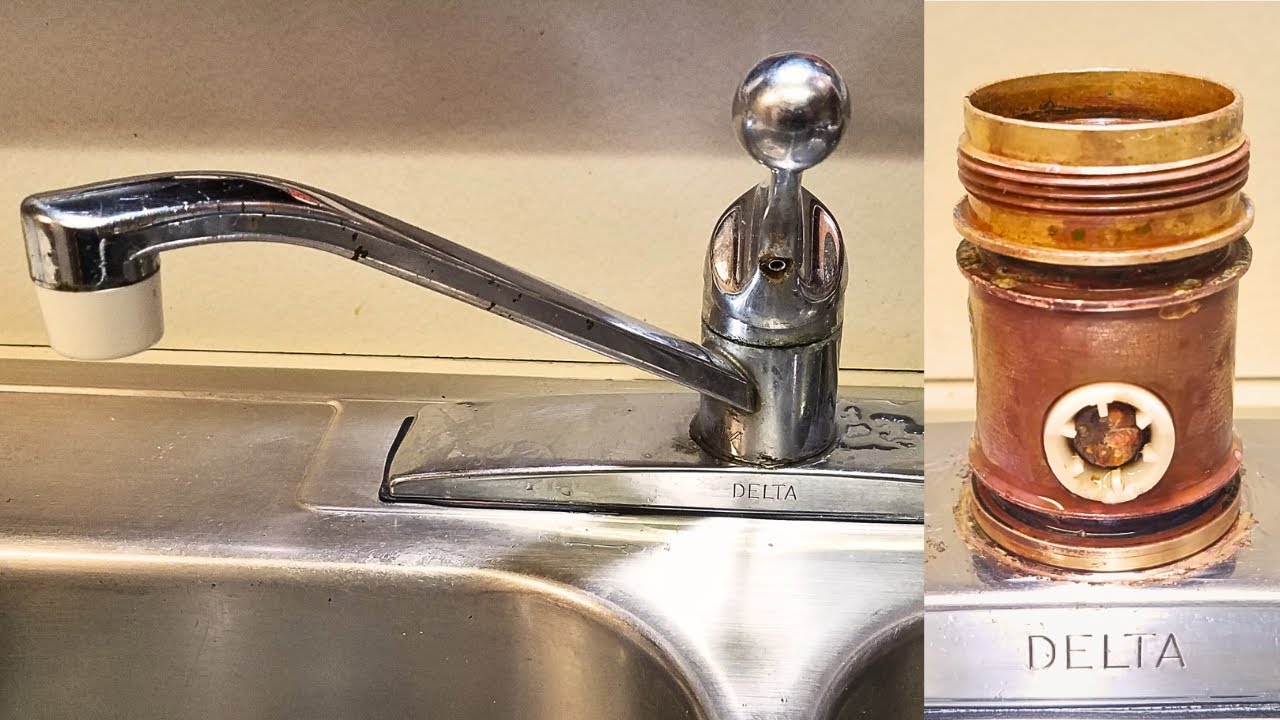
Identifying Handle Typeis important. Faucets can have different types of handles. Some are lever types, while others are knob types. Check your faucet to see which type it is. This helps you know how to remove it.
Unscrewing Handle Fastenersis the next step. Find the screws holding the handle. They might be hidden under a cap. Use a screwdriver to remove the screws. If the screws are stuck, use a bit of oil. Turn the screws carefully. Once loose, take off the handle. Be gentle to avoid breaking anything.
Detaching Faucet Body
To detach the faucet body, first, turn off the water supply. Then, gently unscrew the mounting nuts beneath the sink. Carefully lift the faucet body away from the sink surface.
Loosening Retaining Nuts
Find the retaining nuts under the sink. Use a wrench to loosen them. Turn the nuts counterclockwise. This will free the faucet body. Be careful not to drop any pieces. Retaining nuts can be tight, so apply steady pressure.
Lifting Out The Faucet
Hold the faucet firmly. Pull it upwards gently. Check for any remaining connections. Make sure nothing is attached. Lift the faucet completely out. Be gentle to avoid damage. Now, the faucet is free from the sink.
Disconnecting Water Lines
A wrench helps to loosen tight connections. Place the wrench on the nut. Turn it counterclockwise. This will help loosen the nut. Be careful not to damage the pipes. If it’s too tight, try again. Do not apply too much force. This could break the connection. Repeat the process if needed. Ensure the water is turned off first.
Flexible hoses are easy to manage. Gently pull them from the connection. They might be tight, so be careful. Check for any leaks. Inspect the hoses for damage. Replace if there are cracks. Make sure they are dry before storing. Keep them in a safe place. This prevents future damage.
Dealing With Additional Components
Remove the faucet handle by loosening the screws underneath. Detach the decorative cap to access the interior components. Carefully unscrew and remove the faucet cartridge, ensuring all pieces are kept in order for reassembly.
Sprayer Hose Removal
First, locate the sprayer hose beneath the sink. Turn off the water supply. This prevents water from spraying everywhere. Gently twist the connector to loosen it. Sometimes, you might need pliers for this task. Make sure not to break the hose. Carefully pull the hose out from the faucet. Check for any clips or attachments. Remove them if needed. Keep track of small parts. They can be easy to lose. Now, the sprayer hose should be free.
Soap Dispenser Disassembly
Find the soap dispenser under the sink. Loosen the nut holding it in place. A wrench may help here. Be gentle, don’t crack the dispenser. Once loose, lift the dispenser out from above the sink. You might see a pump attached. Detach the pump carefully. Clean any soap residue left behind. Reassemble parts if needed. Store them safely for future use.
Inspecting Parts For Damage
Check every part of the kitchen faucet carefully. Look for cracks and scratches. These can cause leaks or make the faucet break. Inspect the washers and O-rings. They should be smooth and round. If they are flat or torn, they need replacing. Check the faucet handles. They should turn easily. If they stick or wobble, they might be damaged. Look at the spout. Make sure it’s not bent or cracked. A bent spout can stop water flow.
Use a soft cloth to clean the parts. Dirt can hide small cracks. Examine the screws and nuts. They should not be rusty. Rust can weaken the metal. If any part looks bad, consider replacing it. A healthy faucet works better and lasts longer.
Storing Parts Safely
Keep all small parts in a safe place. Use a container or a bag. Label each part clearly. This helps with easy reassembly later. Group similar parts together. Avoid losing screws and washers. A small box can be useful. Keep it nearby while working.
Remember to clean each part. Dirt and grime can cause problems. Use a soft cloth to wipe them. Dry them well before storing. Wet parts can rust or stick. Proper care ensures they work well later.
Credit: assist.kohler.com

Credit: www.reddit.com
Frequently Asked Questions
What Tools Are Needed To Disassemble A Faucet?
To disassemble a kitchen faucet, you’ll need a wrench, screwdriver, and pliers. These tools help in loosening nuts and removing screws. Additionally, you may need a lubricant to ease tight connections. Always ensure you have a towel handy to catch any water drips during the process.
How Do You Turn Off The Water Supply?
Locate the water valves under the sink and turn them clockwise to shut off the water supply. This prevents any water leakage during disassembly. If the valves are stiff, apply a lubricant. Always test the faucet to ensure no water flows before proceeding.
Can I Disassemble A Faucet Without Professional Help?
Yes, you can disassemble a kitchen faucet without professional help. With the right tools and a step-by-step guide, it’s manageable. Ensure you follow instructions carefully and have patience. If uncertain, consult online tutorials or manuals specific to your faucet model.
What Precautions Should Be Taken During Disassembly?
Ensure the water supply is off before starting. Wear gloves to protect your hands from sharp edges. Keep small parts organized to avoid losing them. Use towels to catch any spills and work in a well-lit area to see all components clearly.
Conclusion
Disassembling a kitchen faucet is simpler than it seems. First, gather your tools. Next, follow the steps carefully. Remember, patience is key. If a part sticks, don’t force it. Clean each component well. This ensures smooth reassembly later. Keep track of small parts.
They can easily get lost. Once disassembled, inspect for wear and tear. Replace any damaged pieces promptly. Reassembling is just reversing the steps. Take your time. Double-check everything is tight and secure. This process saves you money and time. Plus, it’s rewarding to fix things yourself.
Your kitchen faucet will work like new again.