Is your kitchen faucet leaking, outdated, or just not working the way you want? Replacing it might seem like a tough job, but it doesn’t have to be.
You can save time, money, and avoid the hassle of calling a plumber by doing it yourself. Imagine turning your kitchen into a fresh, stylish space with a simple upgrade. In this guide, you’ll find clear, step-by-step instructions that anyone can follow.
Ready to transform your kitchen faucet and make your daily routine easier? Let’s dive in and get started!

Credit: www.youtube.com
Tools And Materials Needed
- Adjustable wrenchfor loosening nuts and bolts.
- Basin wrenchto reach tight spaces under the sink.
- Plumber’s tapeto seal threaded connections.
- Screwdriverfor removing screws on faucet parts.
- Bucketto catch water when disconnecting pipes.
- Rags or towelsto clean spills and dry surfaces.
- New faucetwith all included mounting hardware.
- Supply linesif replacement is necessary.
Make sure to gather all tools before starting. Having everything ready saves time and stress.
Shutting Off Water Supply
Locate the main water valveunder the sink or near the water meter. Turn the valve clockwiseto close it. This stops the water flow to the faucet. Open the faucet handle to release any remaining waterin the pipes. This step prevents water from spilling when removing the old faucet. Check for leaks by touching around the valve. If water drips, tighten the valve further.
Remember to keep a bucket and towelshandy. Water may still drip during the process. Shutting off the water supply fully avoids mess and damageto your kitchen.
Removing The Old Faucet
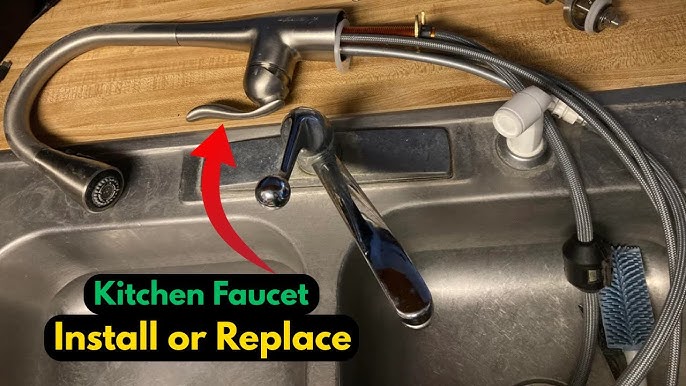
Turn off the water supply before loosening the nuts under the sink. Carefully detach the old faucet and clean the area for the new installation.
Turn off the water supply first. Find the valves under the sink. Twist them to the right to stop water. Use a wrench to loosen the nuts on the water lines. Be careful, there might be some water left. Place a bucket under the sink to catch drips. Locate the mounting nuts under the sink. Use a basin wrench for tight spaces. Turn the nuts counterclockwise to loosen them. Once loose, remove them completely. This will free the faucet base. Gently pull the faucet up from above the sink. Ensure all parts are detached first. If stuck, check for any remaining connections. Once free, lift it out and set it aside. Clean the area before installing a new faucet. `
Credit: www.youtube.com
Preparing The Sink Area
Start by clearing the sink area to have enough space to work. Remove all dishes and objects from the sink and countertop. Use a gentle cleaner and a soft cloth to wipe away dirt, grime, and grease. This helps create a clean surface for the new faucet installation.
Check the sink and countertop for any cracks or damage. Look closely around the faucet holes and the sink edges. If you find any damage, repair it before installing the new faucet. This prevents leaks and ensures the new faucet fits well.
Installing The New Faucet
Place the faucet carefully into the sink hole. Make sure it fits well and aligns with the holes. Hold it steady while securing.
Use the mounting hardware supplied with your faucet. Tighten the nuts or screws under the sink to hold the faucet in place. Avoid overtightening to prevent damage.
Attach the water supply lines to the faucet’s threaded connectors. Hand-tighten first, then use a wrench for a snug fit. Connect hot and cold lines correctly to avoid mixing.
Testing The New Faucet
Turn the main water supply valve slowly to restore water flow. Open both hot and cold faucet handles to clear air from pipes. Watch the faucet closely for any dripping or leaks around connections. Tighten any loose fittings gently if leaks appear.
Adjust the water flow by turning the faucet handles carefully. Check if the water pressure feels right and consistent. Replace or clean aerators if the flow seems weak or uneven. Confirm both hot and cold water operate smoothly.
Troubleshooting Common Issues
Leaksoften happen due to worn-out washers or loose connections. Tightening fittings or replacing washers usually stops drips. Low water pressurecan be caused by clogged aerators or valves. Cleaning or replacing these parts helps restore flow.
Handle problemslike stiffness or looseness. Tightening screws or lubricating parts can fix stiffness. Loose handles often need screw adjustment.
Sprayer issuesinclude weak spray or no spray. Check the hose for kinks or blockages. Replace damaged hoses for better function.
| Issue | Cause | Fix |
|---|---|---|
| Leaks | Worn washers, loose connections | Tighten or replace washers |
| Low Water Pressure | Clogged aerator or valves | Clean or replace parts |
| Handle Problems | Loose screws, stiffness | Tighten screws, lubricate |
| Sprayer Issues | Kinked or blocked hose | Check and replace hose |

Credit: www.youtube.com
Frequently Asked Questions
How Do I Prepare To Replace A Kitchen Faucet?
First, turn off the water supply. Clear the area under the sink. Gather necessary tools like a wrench and plumber’s tape. Remove the old faucet carefully to avoid damage. Preparation ensures a smooth replacement process.
What Tools Are Needed To Replace A Kitchen Faucet?
You’ll need an adjustable wrench, basin wrench, plumber’s tape, screwdriver, and bucket. These tools help loosen fittings, secure the new faucet, and prevent leaks. Having the right tools makes the job easier and faster.
How Long Does It Take To Replace A Kitchen Faucet?
Replacing a kitchen faucet usually takes 1 to 2 hours. Time varies based on faucet type and your experience level. Taking your time ensures proper installation and avoids leaks or damage.
Can I Replace A Kitchen Faucet Without A Plumber?
Yes, most kitchen faucets can be replaced by homeowners. Follow step-by-step instructions and use the right tools. If you encounter complications, consider professional help to avoid water damage.
Conclusion
Replacing a kitchen faucet is easier than it seems. Gather your tools and follow each step carefully. Take your time to avoid mistakes. A new faucet can improve your kitchen’s look and function. You’ll feel proud after finishing the job yourself.
Remember to check for leaks before you finish. This small project saves money and adds value. Try it today and enjoy a fresh kitchen feel. Simple work, great results.