Maintaining the pristine condition and longevity of your bamboo cutting board is an art, and at its heart lies the crucial practice of proper oiling. For many home cooks and professional chefs alike, a bamboo cutting board is a cherished kitchen tool, prized for its durability, eco-friendliness, and aesthetic appeal. However, without the right care, even the toughest bamboo can dry out, crack, or warp, becoming a breeding ground for bacteria and diminishing its functional life. This comprehensive guide is designed to demystify the world of cutting board oils, empowering you to make informed decisions that will keep your bamboo board healthy and hygienic for years to come.
Navigating the myriad of oils available on the market can be overwhelming. From traditional mineral oils to various plant-based alternatives and specialized blends, each product boasts unique properties and benefits. Our goal is to cut through the noise, providing you with expert insights into what makes an oil truly suitable for your bamboo cutting board. We’ll explore critical factors like food safety, absorption rates, durability, and cost-effectiveness, ensuring you understand the science behind maintaining your board’s natural beauty and resilience.
By the end of this article, you’ll not only be equipped to select the best oil for your specific needs but also understand the nuances of application, common pitfalls to avoid, and expert tips for long-term care. Whether you’re a seasoned culinary enthusiast or new to the world of bamboo cutting boards, this guide will serve as your definitive resource, helping you preserve your investment and elevate your kitchen experience. Let’s dive in and unlock the secrets to a perfectly conditioned bamboo cutting board.

What to Look for When Buying Buying Guide
When you’re choosing an oil for your bamboo cutting board, it’s not just about picking up any bottle of oil. There are several nuanced factors that can significantly impact the health and longevity of your board, as well as the safety of your food. Think of it like choosing the right skincare for your own skin – you wouldn’t just use anything. Your bamboo board deserves the same careful consideration.
1. Ingredient Purity & Food Safety
This is, without a doubt, the most critical factor when selecting an oil for any food-contact surface. Your cutting board is where food preparation happens, and whatever you put on it can potentially transfer to your food. Therefore, the oil must be 100% food-grade and non-toxic. When we talk about “food-grade,” we’re looking for ingredients that are safe for human consumption, even if ingested in small quantities. For mineral oil, this means looking for USP (United States Pharmacopeia) or food-grade labels, indicating it has met strict purity standards. For plant-based oils, ensuring they are pure, cold-pressed, and free from additives, solvents, or genetically modified organisms (GMOs) is paramount. Avoid any oils with added fragrances, colors, or petroleum-based derivatives unless explicitly stated as food-safe. Remember, the board absorbs the oil, and so can your food.
2. Viscosity & Absorption Rate
Bamboo is a unique material – it’s a grass, not a wood, and its structure is denser and less porous than traditional hardwoods like maple or walnut. This means it absorbs oils differently. You need an oil with a relatively low viscosity (thinner consistency) that can penetrate the tightly packed fibers of the bamboo effectively. If an oil is too thick, it will simply sit on the surface, creating a sticky residue that doesn’t offer deep conditioning. A well-absorbing oil will permeate the bamboo, moisturizing it from within, preventing drying and cracking. Oils that absorb well also tend to dry faster, allowing you to use your board sooner.
3. Odor & Taste Neutrality
Imagine preparing a delicate cheese platter or a fresh fruit salad on a board that smells faintly of rancid oil or a strong, unfamiliar odor. Not appealing, right? The ideal oil for your bamboo cutting board should be completely odorless and tasteless once absorbed and cured. Many cooking oils, while technically edible, can go rancid over time, imparting unpleasant smells and flavors to your food. Mineral oil is highly stable and neutral. Plant-based oils like fractionated coconut oil or specific nut oils (if no one in your household has allergies) can also be good choices, but always ensure they are refined to be taste and odor-neutral and have a good shelf life to prevent rancidity.
4. Drying Time & Curing
After applying oil, your board needs time to absorb it and “cure.” This means the oil should penetrate and then dry to a non-tacky finish. The drying time can vary significantly depending on the oil’s viscosity, the bamboo’s dryness, and environmental factors like humidity. Fast-drying oils are convenient, allowing you to get back to using your board sooner. However, “fast-drying” shouldn’t mean a superficial coating; it still needs to penetrate deeply. Some oils, like pure tung oil, require a longer curing period but offer exceptional protection. Understanding the typical drying time will help you plan your oiling schedule and avoid frustration.
5. Cost-Effectiveness & Value
While the initial price tag is a consideration, true cost-effectiveness comes down to how much protection you get for your money and how often you need to reapply. A cheaper oil that requires frequent reapplication might end up costing you more in the long run than a slightly more expensive, higher-quality oil that provides longer-lasting protection. Consider the volume of the oil, the coverage it provides per application, and its shelf life. Sometimes, investing a little more upfront in a premium product can save you time and money on maintenance over the lifetime of your board.
6. Ease of Application & Maintenance
Let’s be honest, we all appreciate convenience in our busy lives. An oil that’s easy to apply, spreads smoothly, and doesn’t require complex procedures makes regular maintenance a breeze. Look for oils that can be applied with a simple cloth or paper towel. Products that come with clear instructions and perhaps even an applicator are a bonus. Furthermore, consider the post-application experience: does it leave a greasy residue? Is it hard to wipe off excess? The easier the process, the more likely you are to stick to a consistent oiling schedule, which is key to board longevity.
7. Shelf Life & Storage
You won’t use an entire bottle of cutting board oil in one go, so its shelf life is important. Oils that go rancid quickly become unusable and can even damage your board or impart bad odors. Mineral oil has an indefinite shelf life, making it a very practical choice. Plant-based oils, especially those high in polyunsaturated fats (like olive or vegetable oil), have a shorter shelf life and can become rancid. Always check the expiration date if one is provided, and consider purchasing smaller quantities if you don’t oil frequently. Proper storage, usually in a cool, dark place, can extend the life of most oils.
8. Environmental Impact & Sustainability
For environmentally conscious consumers, the sourcing and disposal of the oil can be a factor. Bamboo itself is a sustainable resource, so pairing it with an eco-friendly oil makes sense. Mineral oil, being a petroleum by-product, isn’t renewable, but it’s widely available and highly effective. Plant-based options like fractionated coconut oil or responsibly sourced tung oil are renewable. Consider brands that emphasize sustainable harvesting, minimal processing, and recyclable packaging. While effectiveness and safety remain paramount, choosing an oil that aligns with your environmental values adds another layer of satisfaction to your purchase.
Different Types of Buying Guide
Understanding the various types of oils available will help you make an informed decision based on your priorities, such as safety, effectiveness, and ease of use. Each type has its own set of characteristics that make it more or less suitable for bamboo.

Common Buying Mistakes to Avoid
Even with the best intentions, it’s easy to fall into common traps when trying to care for your bamboo cutting board. Avoiding these mistakes can save you frustration, money, and most importantly, the integrity of your cherished kitchen tool.
❌ Mistake: Using Common Cooking Oils (Olive, Vegetable, Canola)
Why it’s bad: While edible, these oils are high in polyunsaturated fats that oxidize and go rancid over time. This leads to a sticky, foul-smelling residue on your board that can transfer unpleasant odors and tastes to your food, and it’s very difficult to remove. Rancid oils can also promote bacterial growth.
What to do instead: Stick to food-grade mineral oil, fractionated coconut oil, or refined walnut/tung oil, which are stable and do not go rancid.
❌ Mistake: Not Oiling Your Bamboo Board at All
Why it’s bad: Bamboo, like wood, is a natural material that loses moisture over time, especially with frequent washing. Without proper oiling, it will dry out, become brittle, crack, warp, and be much more susceptible to absorbing water and bacteria. This drastically shortens its lifespan.
What to do instead: Establish a regular oiling schedule, starting monthly, and adjusting based on how often you use and wash your board. Listen to your board – if it looks dull or dry, it’s time for oil.
❌ Mistake: Using Non-Food-Grade Oils or Finishes
Why it’s bad: Some oils and finishes contain petroleum distillates, heavy metals, or other chemicals that are not safe for consumption. These can leach into your food and pose serious health risks. Furniture oils or generic “wood oils” are almost always inappropriate for cutting boards.
What to do instead: Always verify that the oil is explicitly labeled “food-grade,” “USP,” or safe for food contact. When in doubt, err on the side of caution and choose a known safe option like USP mineral oil.
❌ Mistake: Oiling Too Infrequently or Too Excessively
Why it’s bad: Too little oiling leaves the board vulnerable to drying and damage. Too much oil, especially if applied without allowing proper absorption or wiping off excess, can lead to a sticky, greasy surface that attracts dust and dirt, and won’t properly cure. It can also make the board feel unpleasant to touch.
What to do instead: Aim for consistent, moderate oiling. Apply enough to thoroughly coat the surface, let it soak in for several hours (or overnight), and then always wipe off any unabsorbed excess with a clean, dry cloth. Reapply as needed, typically monthly or bi-weekly depending on use.
❌ Mistake: Not Cleaning and Drying the Board Before Oiling
Why it’s bad: Applying oil to a dirty or wet board traps food particles, bacteria, or moisture underneath the oil layer. This can lead to mold growth, unpleasant odors, and compromise the effectiveness of the oil, making your efforts counterproductive.
What to do instead: Always wash your board thoroughly with soap and warm water, rinse it completely, and allow it to air dry for several hours (or overnight) before applying oil. The board should feel completely dry to the touch.
❌ Mistake: Expecting a Single Application to Last Forever
Why it’s bad: Oiling is an ongoing maintenance task, not a one-time fix. Over time, friction from knives, washing, and general use will deplete the oil in your bamboo board. Neglecting regular reapplication will undo previous efforts and lead to the board drying out again.
What to do instead: View oiling as a routine part of your kitchen maintenance, similar to sharpening knives or cleaning dishes. Regular, consistent oiling is the secret to a long-lasting, beautiful bamboo board.
Budget Guidelines: How Much Should You Spend?
When it comes to oil for your bamboo cutting board, the price spectrum is fairly reasonable, but understanding what you get for your money can help you allocate your budget effectively. You don’t necessarily need to break the bank for effective board care.
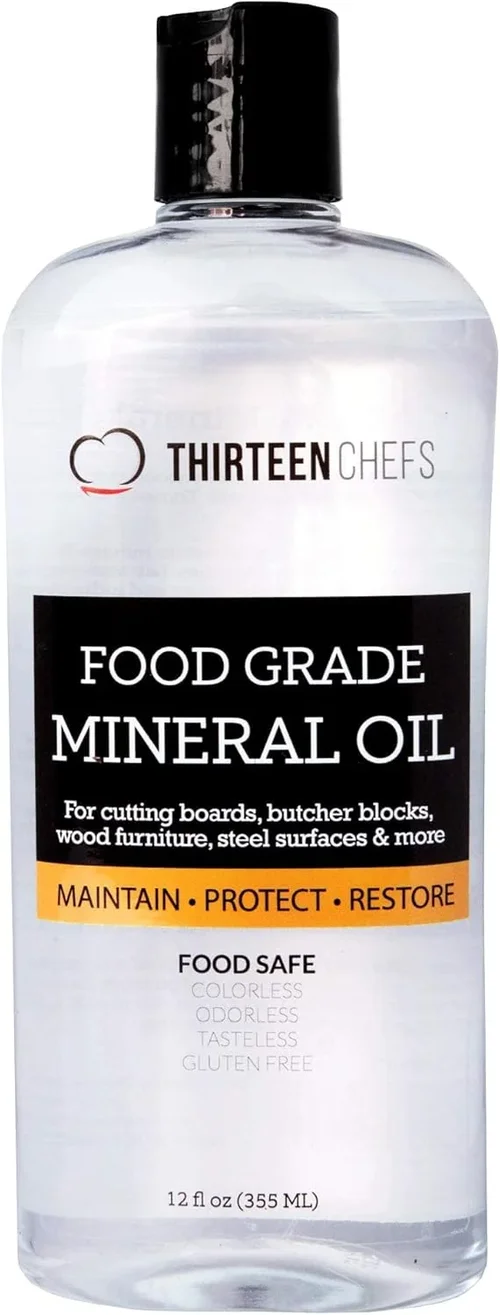
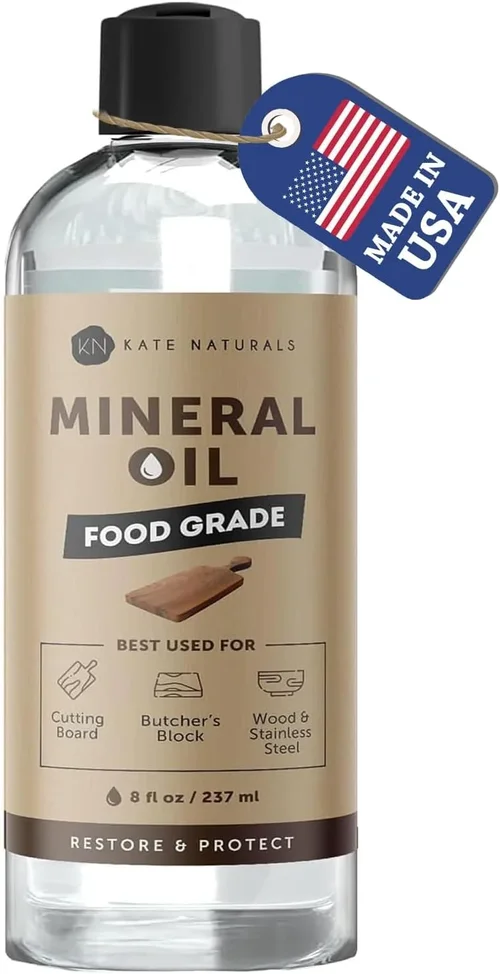
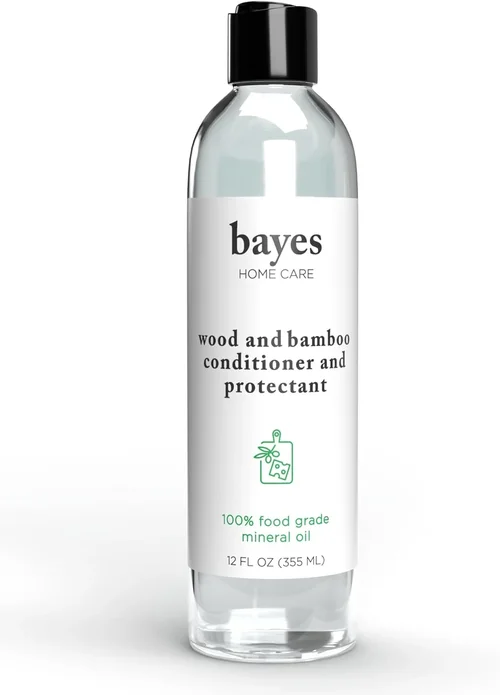
Entry-Level ($10 – $15): In this range, you’ll typically find large bottles of high-quality, food-grade mineral oil. This is often sold in quantities of 12-16 ounces or more. What to expect: Excellent fundamental protection, indefinite shelf life, no odor or taste, and ease of application. This is a fantastic starting point for almost everyone, offering robust performance without a hefty price tag. It’s the most common and widely recommended choice for a reason.
Mid-Range ($15 – $25): This sweet spot offers a bit more variety. Here, you’ll find smaller bottles of premium food-grade mineral oils, often from specialized kitchenware brands, which might be formulated for easier application or come with better dispensers. You’ll also start seeing options like pure fractionated coconut oil, which is a plant-based alternative that doesn’t go rancid. These often come in 10-12 ounce bottles. This range is ideal for most buyers who want reliable performance, perhaps with a slight preference for brand recognition or a plant-based option, without stretching their budget too far.
Premium ($25 – $40): Stepping into the premium category, you’ll encounter smaller bottles of highly specialized oils or oil and wax blends. These might include pure food-grade tung oil, which cures to a very hard, water-resistant finish, or meticulously crafted blends of mineral oil and beeswax, sometimes with natural essential oils (like lemon or orange, if food-safe and in very small, neutral amounts). These blends offer enhanced water repellency and a more lustrous finish. The price reflects the specialized ingredients, smaller batch production, and often the inclusion of waxes for superior protection. This is for enthusiasts who want the absolute best protection and finish for their board, or those with specific preferences for natural ingredients like tung oil.
Luxury ($40+): While less common for just oil, the luxury tier often involves comprehensive board care kits. These typically include a larger bottle of premium oil, a block or tin of board wax/cream, an applicator pad, and sometimes even a buffing cloth. The oils themselves might be proprietary blends designed for ultimate durability and aesthetic appeal. These kits are for professionals or serious home chefs who view their cutting board as a significant investment and want an all-in-one, top-tier maintenance solution. The cost here reflects convenience, premium ingredients in both oil and wax, and often the brand’s reputation for high-end kitchen accessories.
Expert Tips for Getting the Best Deal
Smart shopping isn’t just about finding the lowest price; it’s about maximizing value and ensuring you get a product that truly meets your needs. Here are some expert tips to guide you in getting the best deal on bamboo cutting board oil.
When to Buy: Seasonal Sales & Timing: Major shopping holidays like Black Friday, Cyber Monday, Prime Day, and even post-Christmas sales are excellent times to find deals on kitchenware and accompanying accessories. Many retailers will offer discounts on cutting board oils or bundle them with other board care products. Also, keep an eye out during spring cleaning sales or back-to-school promotions, as kitchen refreshes are common then.
Where to Buy: Retailers, Online vs. In-Store:
Online Retailers (Amazon, Walmart.com, specialty kitchen stores): Often have the widest selection and competitive pricing, especially for bulk purchases or less common oil types. Watch out for shipping costs that can negate savings.
Local Kitchen Stores: Can offer expert advice and sometimes carry unique artisanal blends. You might pay a bit more, but the personalized service can be valuable.
Hardware Stores/Pharmacies: Excellent for basic food-grade mineral oil (often labeled as a laxative, but it’s the same USP grade). This can be the most budget-friendly option.
Direct from Brands: Some smaller, specialized brands offer direct-to-consumer sales, occasionally with loyalty discounts or exclusive bundles.
How to Spot Deals and Value:
Check Unit Price: Always compare the price per ounce or milliliter, especially when buying different sized bottles. A larger bottle might seem more expensive but often provides better value per unit.
Look for Bundles: Many brands offer packages that include oil and a board wax or cream. These bundles often provide better savings than buying each item separately and give you a complete care system.
Read Reviews: Don’t just look at the star rating. Dive into the comments to see how long the oil lasts, how easy it is to apply, and if users encountered any issues like stickiness or rancidity. This can tell you a lot about the true value and performance.
Warranty & Return Policies: While oil doesn’t typically come with a “warranty,” reputable sellers and brands will have clear return policies. If you receive an oil that is clearly rancid, has an unpleasant odor, or doesn’t perform as advertised, you should be able to return it. Always check the seller’s return policy before purchasing, especially from third-party online vendors.
Consider DIY Blends (with caution): For the truly budget-conscious and hands-on, you can buy food-grade mineral oil and beeswax separately and create your own board cream. This typically requires melting the beeswax and mixing it with the mineral oil. While cost-effective, ensure you use accurate ratios and high-quality, food-grade ingredients. Research recipes thoroughly before attempting.
Don’t Overlook “Generic” Brands: For mineral oil, a generic USP food-grade option from a pharmacy is often identical to a branded kitchen specialty oil but at a fraction of the cost. The key is the “USP” or “food-grade” certification, not the brand name.

Frequently Asked Questions
Navigating the world of cutting board care can bring up many questions. Here are some of the most common ones we encounter, along with expert answers to help you maintain your bamboo board effectively.
Q: How often should I oil my bamboo cutting board?
A: A good rule of thumb is to oil your board at least once a month. However, the frequency can vary based on how often you use and wash your board. If you use it daily or wash it frequently, you might need to oil it every two weeks. Signs your board needs oiling include a dull, dry appearance, feeling rough to the touch, or water no longer beading on the surface.
Q: Can I use olive oil, vegetable oil, or other cooking oils?
A: No, you should absolutely avoid common cooking oils like olive, vegetable, canola, or sunflower oil. These oils contain polyunsaturated fats that will oxidize and turn rancid over time, leaving a sticky, smelly residue on your board. This not only makes your board unpleasant to use but can also transfer bad flavors to your food and encourage bacterial growth. Stick to stable, non-rancid oils.
Q: What’s the difference between cutting board oil and board cream/wax?
A: Cutting board oil (like mineral oil or fractionated coconut oil) is designed to penetrate deeply into the bamboo fibers, moisturizing them from within and preventing drying and cracking. Board cream or wax (typically a blend of oil and beeswax or carnauba wax) provides an additional protective layer on the surface. The wax seals the bamboo, offering superior water repellency and a lustrous finish, while the oil beneath does the conditioning work. Many people use both: oil first, then a layer of cream/wax.
Q: How do I apply the oil to my bamboo cutting board?
A: First, ensure your board is clean and completely dry. Apply a generous amount of oil to a clean, soft cloth or paper towel. Rub the oil into the bamboo, covering all surfaces (top, bottom, and sides), moving with the grain of the bamboo. Don’t be shy; the board should look saturated. Let the oil soak in for several hours, or ideally, overnight. After soaking, wipe off any excess oil with a clean, dry cloth until the surface feels dry and non-tacky.
Q: How long does it take for the oil to dry?
A: This depends on the type of oil, how dry your board is, and environmental humidity. Mineral oil and fractionated coconut oil typically absorb within a few hours, though leaving them overnight is best. After wiping off the excess, the board should feel dry to the touch. Pure tung oil takes much longer to cure, sometimes days or even weeks for a full cure, but offers a more permanent finish.
Q: Is beeswax necessary for bamboo cutting boards?
A: While not strictly necessary, beeswax (often found in board creams) offers significant benefits. It creates a protective barrier on the surface of the bamboo, enhancing its water resistance and helping to seal in the conditioning oil. This makes your board more durable, reduces water absorption, and gives it a beautiful sheen. It’s an excellent addition for extra protection and a longer-lasting finish.
Q: What are the signs my bamboo board needs oiling?
A: Look for these indicators: a dull, dry, or faded appearance; the bamboo fibers feeling rough or fuzzy to the touch; water no longer beading up on the surface but rather soaking in; or the board showing minor cracks or light spots. These are all signals that your board is thirsty and needs a good oiling.
Q: Can I use cutting board oil on other wooden kitchen items?
A: Yes, absolutely! Food-grade cutting board oil is perfectly safe and highly recommended for conditioning other wooden kitchen utensils, bowls, wooden spoons, salad servers, and even butcher blocks. It will help prevent them from drying out, cracking, and will extend their lifespan, just like with your cutting board.
Q: Are all “food-grade” oils truly safe?
A: Generally, yes, if the label explicitly states “food-grade” or “USP.” However, it’s crucial to distinguish between food-grade for consumption and food-grade for non-rancidity on a cutting surface. For example, some pure vegetable oils are food-grade but will still go rancid. When buying oil specifically for cutting boards, prioritize non-oxidizing options like mineral oil or fractionated coconut oil, even if others are technically edible. Always read the ingredients list to avoid unwanted additives.
Our Final Recommendations
Choosing the right oil for your bamboo cutting board is a commitment to its longevity and your culinary hygiene. While many excellent products exist, here are our top recommendations based on common needs and preferences.
Best for Budget-Conscious Buyers: A high-quality, USP food-grade mineral oil. It’s universally available, highly effective, completely safe, and incredibly affordable. You can often find large quantities at pharmacies or online retailers, providing excellent value without compromising on performance. It’s the workhorse of cutting board care.
Best Overall Value: A combination of food-grade mineral oil for deep conditioning and a mineral oil/beeswax blend (board cream) for surface protection. This two-step approach offers comprehensive care, leveraging the penetrative power of the oil and the sealing benefits of the wax. This combination maximizes the lifespan and aesthetic appeal of your board for a relatively modest investment.
Best Premium Option: A pure, food-grade tung oil. For those seeking the utmost in durability and water resistance, tung oil cures to a hard, resilient finish that provides long-lasting protection. While it requires more patience for curing and careful application, the resulting robust, natural barrier is unmatched. Ensure it is 100% pure and food-grade, not a “tung oil finish” which may contain solvents.
Best for Beginners: Any reputable brand of food-grade mineral oil. It’s foolproof to apply, requires no special curing knowledge, and delivers immediate and noticeable results. Its stability means no worries about rancidity, making it an ideal choice for those new to cutting board maintenance. Ease of use is paramount for establishing good care habits.
Best for Advanced Users/Eco-Conscious: Pure fractionated coconut oil, potentially followed by a plant-based wax (like carnauba or candelilla wax) if you prefer a fully petroleum-free solution. Fractionated coconut oil offers excellent penetration and stability without the petroleum base of mineral oil. Advanced users might also explore pure tung oil for its unique curing properties and long-term protection, understanding its application nuances.
Conclusion: Making the Right Choice
Your bamboo cutting board is a resilient and beautiful addition to your kitchen, but its longevity hinges on consistent and correct care. Choosing the best oil isn’t just about preserving its looks; it’s about maintaining hygiene, preventing damage, and ensuring it remains a safe surface for your food preparation. We’ve explored the critical factors, compared different oil types, highlighted common mistakes to avoid, and provided expert tips to guide your purchase.
The key takeaway is clear: prioritize food safety above all else, opt for oils that won’t go rancid, and commit to a regular oiling schedule. Whether you lean towards the tried-and-true reliability of food-grade mineral oil, the natural appeal of fractionated coconut oil, or the superior protection of pure tung oil, the right choice ultimately depends on your individual preferences, budget, and commitment to maintenance.
Armed with this comprehensive knowledge, you are now well-equipped to make an informed decision. Take the time to select an oil that resonates with your needs, apply it diligently, and enjoy the satisfaction of a beautifully maintained bamboo cutting board that will serve you well for many culinary adventures to come. Happy oiling!