Are you planning to revamp your kitchen but find yourself wondering, “How much do kitchen cabinets really cost?” You’re not alone.
Many homeowners face the same dilemma when trying to balance their dream kitchen with their budget. Choosing the right cabinets is crucial—they set the tone and style of your kitchen and can significantly impact your home’s value. But with so many options available, from sleek modern designs to timeless classics, the price can vary dramatically.
Understanding the cost components and what affects them can help you make an informed decision. We’ll break down the factors that influence kitchen cabinet pricing, so you can confidently plan your next home improvement project. Curious about what fits your budget? Let’s dive in and uncover the secrets behind cabinet costs.
Factors Affecting Cabinet Costs
Different materials change the cabinet price. Wood is often costly. Metal can be cheaper. Plywood is a budget choice. Each material has unique qualities. Choose based on need and budget.
Bigger cabinets need more material. They cost more. The kitchen layout affects the price. Complex designs can be pricey. Simple shapes are usually cheaper.
Custom cabinets are expensive. Special designs add to the cost. Standard cabinets are less costly. Personal touches increase the price.
Fancy knobs and handles cost extra. Basic hardware is less expensive. Accessories like pull-out shelves raise the price. Choose wisely to save money.
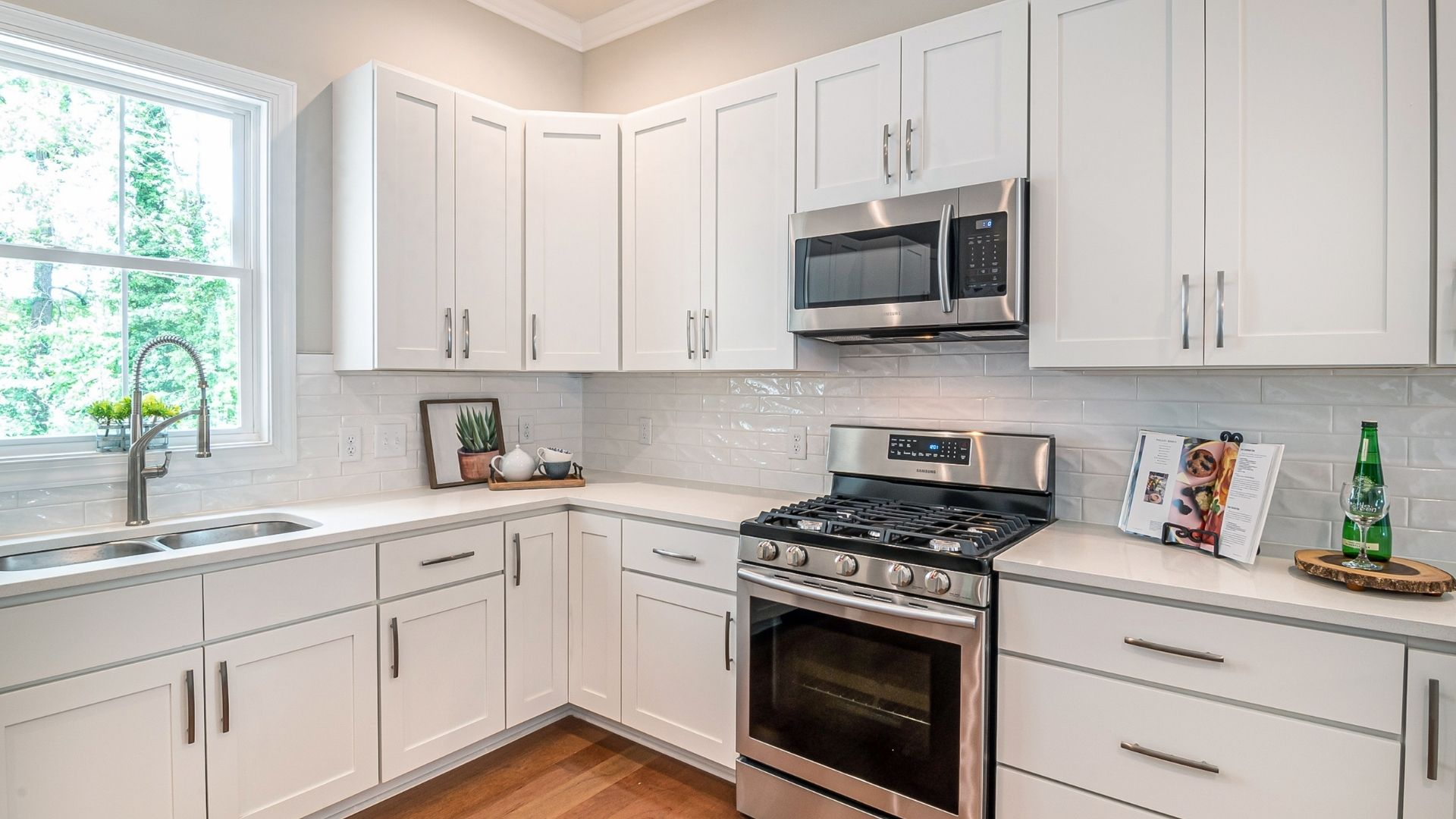
Credit: megakitchenandbath.com
Types Of Kitchen Cabinets
Stock cabinets are the most affordablechoice for kitchens. They come in standard sizes and limited styles. Homeowners can find them in stores easily. These cabinets are pre-made and ready to install. They are great for quick kitchen updates. The quality might vary, so check before buying. Stock cabinets suit simple kitchen designs.
Semi-custom cabinets offer more optionsthan stock cabinets. They allow some personalization in size and style. These cabinets are made after you order them. They take longer to deliver than stock cabinets. Semi-custom cabinets cost more but offer better quality. They are a good choice for those who want some customization.
Custom cabinets are the most expensiveoption. They are made to fit your kitchen perfectly. You can choose any style, color, or material. Custom cabinets take the longest to make and deliver. They are ideal for unique kitchen designs. These cabinets offer the best quality and craftsmanship.
Cost Range For Different Budgets
Kitchen cabinets can be budget-friendly. Prices start at around $100per cabinet. These options are simple but functional. Materials often include laminateor basic wood. Great for small budgets.
Mid-range cabinets offer more style. Prices range from $200to $500each. They feature better materials, like solid wood. Designs are more detailed. Perfect for families.
Luxury cabinets are top-notch. Prices exceed $500per cabinet. Made from premium woodand custom designs. Often include special features. Ideal for high-end kitchens.
Credit: www.homedepot.com
Additional Expenses
Installing kitchen cabinets can increase the total price. Professional installation is often needed. It ensures cabinets are safe and secure. The cost varies based on size and complexity. Simple setups cost less. Custom designs usually cost more. This service might add hundreds to thousandsto your bill.
Cabinets are large and heavy. Delivery is often an extra charge. Local stores may offer free delivery. Online purchases might have higher fees. Shipping costs depend on distance and size. It’s important to check these fees in advance. Sometimes, delivery fees are negotiable.
Keeping cabinets in good shape is important. Regular cleaning is a must. Use gentle cleaners to avoid damage. Inspect hinges and handles often. Fix any issues quickly to prevent bigger problems. This helps in keeping the cabinets lasting longer. Well-maintained cabinets look new for years.
Saving Tips
Kitchen cabinets can vary in cost based on materials and design. Basic cabinets might start around $100 per linear foot. Custom options can increase the price significantly, reaching up to $1,200 per linear foot.
Opt For Standard Sizes
Standard sizes are usually cheaper. Custom sizes can cost more. Choose standard sizes for easy savings. These sizes fit most kitchens. You can find them in most stores.
Consider Ready-to-assemble Options
Ready-to-assemble cabinets save money. They come in flat boxes. You put them together yourself. This is cheaper than hiring help. Many stores offer these kits.
Mix And Match Materials
Mixing materials can cut costs. Use wood for doors. Use metal for handles. This keeps the look fresh. It also saves money on expensive materials. Try different combinations for style.
Budgeting For Kitchen Cabinets
Kitchen cabinets can be expensive. Prices vary by style and material. Set a budget that fits your needs. Research different options before buying. Some materials cost more than others. Custom cabinets are pricier than stock options. Know what you can afford. Avoid overspending on unnecessary features.
Focus on what’s essential for your kitchen. Functionality should come first. A well-organized kitchen makes cooking easier. Choose cabinets that fit your space. Fancy designs can be tempting. Remember, they might not be necessary. Stick to your budget and prioritize needs.
Unexpected costs can arise during installation. Set aside extra money for surprises. A 10% buffer is a good start. This helps cover any mishaps. Planning ahead saves stress later. Be prepared for the unexpected. Sticking to the budget becomes easier this way.
Trends Impacting Costs
Kitchen cabinet costs are influenced by material choices, design complexity, and brand. Trends in sustainability and customization add to expenses. Economic factors, such as supply chain disruptions, further impact pricing.
Sustainability And Eco-friendly Materials
Using sustainable materials can make cabinets cost more. Bamboo and recycled wood are popular choices. They help the environment but may raise prices. Green options are often seen as a wise investment. The initial cost may be higher. Long-term savings can be significant.
Smart Storage Solutions
Smart storage makes kitchens more organized. Pull-out shelves and lazy Susans are handy. They can increase cabinet prices. Clever storage helps use space better. This can make daily tasks easier. These solutions often come with a higher price tag.
Color And Finish Trends
Colors and finishes change cabinet costs. Bold colors and unique finishes can be costly. Matte finishes are trendy now. They may require special care. This can add to overall expenses. Choosing classic colors can save money. It can also keep the kitchen timeless.
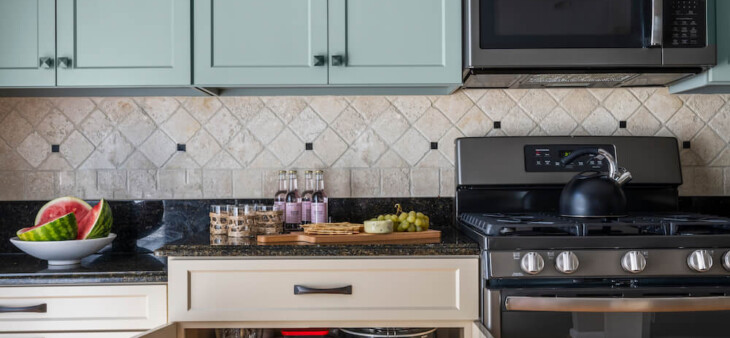
Credit: www.nhance.com
Frequently Asked Questions
How Much Do Kitchen Cabinets Cost On Average?
The cost of kitchen cabinets varies widely based on materials and design. On average, stock cabinets cost $60 to $200 per linear foot. Semi-custom cabinets range from $100 to $650 per linear foot, while custom cabinets can exceed $1,000 per linear foot.
Prices can fluctuate depending on the specific features and finishes chosen.
What Factors Affect Kitchen Cabinet Pricing?
Several factors influence kitchen cabinet costs. Material choices, design complexity, brand, and finish type play significant roles. Installation costs also impact the final price. Customizations, such as hardware and accessories, further affect the budget. Evaluating these factors helps in estimating a realistic budget for your kitchen cabinet project.
Are Custom Kitchen Cabinets Worth The Investment?
Custom kitchen cabinets offer personalized designs and superior craftsmanship. They can maximize space and match specific preferences. While more expensive, they add significant value to your home. Custom cabinets provide long-term durability and unique aesthetics, making them a worthwhile investment for homeowners seeking tailored solutions.
How Can I Save Money On Kitchen Cabinets?
To save money on kitchen cabinets, consider stock or semi-custom options. Compare prices from different suppliers to find deals. Opt for less expensive materials and finishes. DIY installation can reduce labor costs significantly. Planning and budgeting effectively can help you save while achieving a beautiful kitchen design.
Conclusion
Deciding on kitchen cabinets involves many factors. Budget, style, and material. Costs vary widely. Custom designs often cost more. Stock options might fit smaller budgets. Installation fees can add up. Consider quality and durability too. Long-lasting cabinets save money over time.
Visit local stores. Compare prices. Online research helps too. Always plan ahead. Set a budget. Stick to it. Your dream kitchen is within reach. With the right choices, you can achieve it.