Are you tired of cluttered kitchen cabinets and struggling to find space for all your groceries? Adding a pantry to your kitchen could be the game-changer you need.
Imagine having a dedicated spot where everything is organized and easy to reach. This simple addition can save you time, reduce stress, and make cooking more enjoyable. You’ll discover practical steps to create the perfect pantry that fits your space and lifestyle.
Let’s dive in and turn your kitchen into a more functional and inviting place.
Choosing The Right Location
Choosing the right place for your pantry is very important. Pick a spot close to the kitchen for easy reach. Make sure there is enough space to store all your food and kitchen items. Avoid areas that get too hot or damp, like near ovens or sinks. A cool, dry spot helps keep food fresh longer.
Consider these points:
- Near the kitchen entrance or within the kitchen area
- A space with good lighting
- Easy access without blocking movement
- Enough room for shelves and storage bins
- Good ventilation to avoid moisture build-up
Types Of Pantry Designs
A pantry can fit many spaces. Some designs save space, others offer more storage. Choose one that suits your kitchen size and style.
- Walk-in Pantry:A small room for storing food and kitchen tools.
- Butler’s Pantry:A space between kitchen and dining room for prep and storage.
- Pull-out Pantry:Tall cabinets with sliding shelves for easy access.
- Freestanding Pantry:A separate cabinet that can move around.
- Built-in Pantry:Shelves or cabinets built into the kitchen walls.
Each design has its own benefits. Think about how much space you need and how you cook.
Maximizing Storage Space
Maximizing storage spacein your kitchen helps keep it neat and easy to use. Start by using vertical spacewith tall shelves or cabinets. This gives more room without taking floor space. Use clear containers to store dry goods so you see what you have quickly.
Adding pull-out shelvesor drawers makes it easy to reach items at the back. Hooks on walls or inside cabinet doors can hold pots, pans, or utensils. Group similar items together to save time when cooking.
- Use baskets to organize small packages or snacks.
- Label shelves and containers for easy finding.
- Choose stackable containers to save space.

Credit: www.craftbuilt.com.au
Materials And Finishes
Choosing the right materials and finisheshelps your pantry last longer and look great. Wood is a popular choice for its warm and natural feel. Plywood and MDF are good for budget-friendly builds.
For finishes, paint and laminate are common. Paint offers many color optionsand easy cleaning. Laminate is strong, resists scratches, and comes in various patterns.
Metal shelves are sturdy and easy to clean, perfect for heavy items. Glass shelves add a modern look but need careful handling.
| Material | Benefits | Best Use |
|---|---|---|
| Wood | Natural look, durable | Cabinet doors, shelves |
| Plywood/MDF | Cost-effective, smooth surface | Cabinet boxes, panels |
| Metal | Strong, easy to clean | Shelves for heavy items |
| Glass | Modern look, visually light | Display shelves |
Diy Vs Professional Installation
DIY pantry installationsaves money but takes time and effort. You must measure space carefully and choose the right materials. Basic tools like drills and saws are needed. Mistakes can cause wasted materials or uneven shelves. It suits small spaces and simple designs.
Professional installationcosts more but offers expert results. Pros handle complex layouts and custom designs easily. They ensure sturdy shelves and proper fitting. The process is faster and less stressful. Ideal for large pantries or tricky spaces.
| Aspect | DIY Installation | Professional Installation |
|---|---|---|
| Cost | Lower, mostly materials | Higher, includes labor |
| Time | Longer, depends on skill | Shorter, done by experts |
| Skill Needed | Basic to moderate | High, specialized |
| Customization | Limited by skill | Wide options available |
| Risk of Errors | Higher | Low |
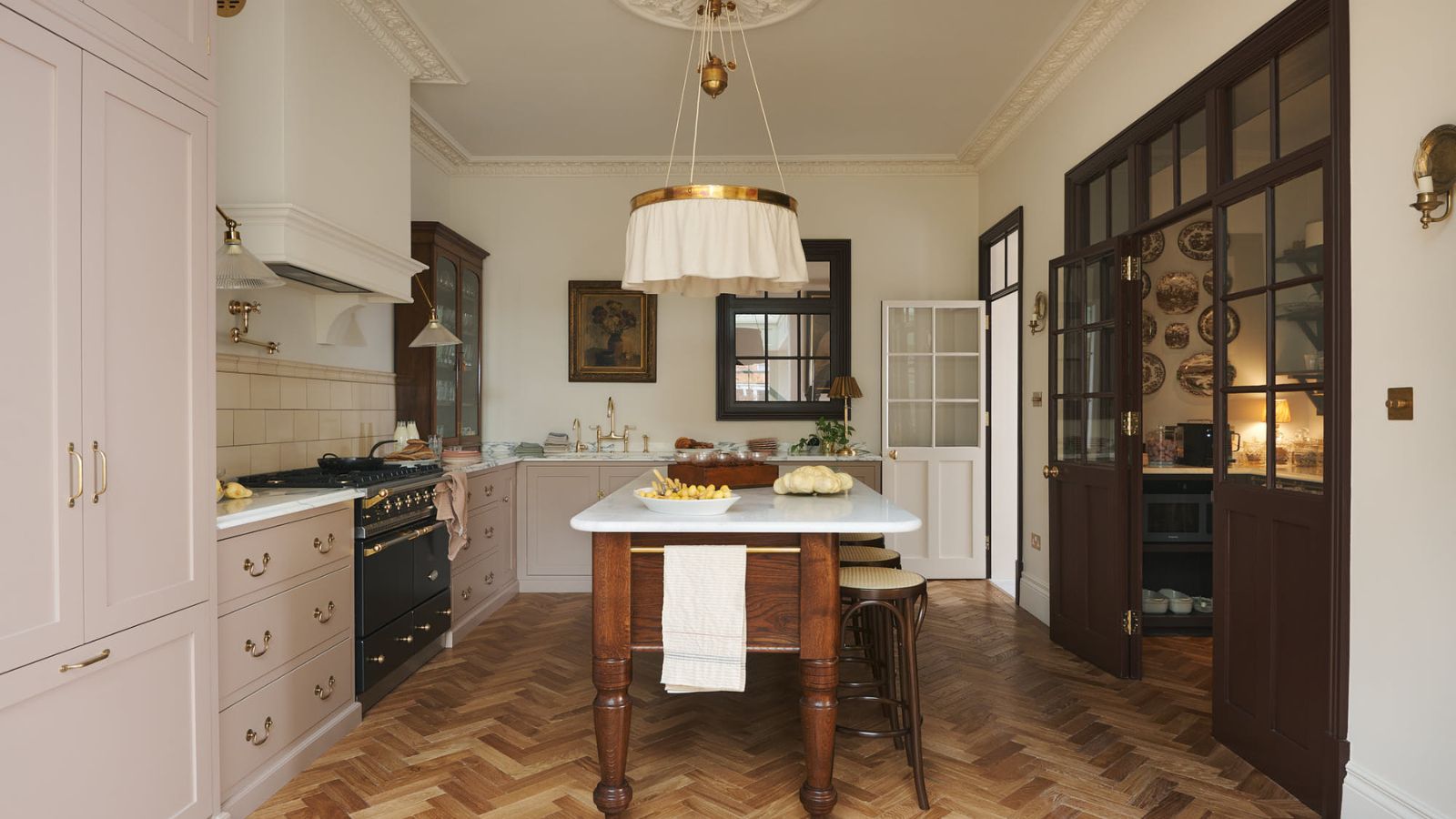
Credit: www.homesandgardens.com
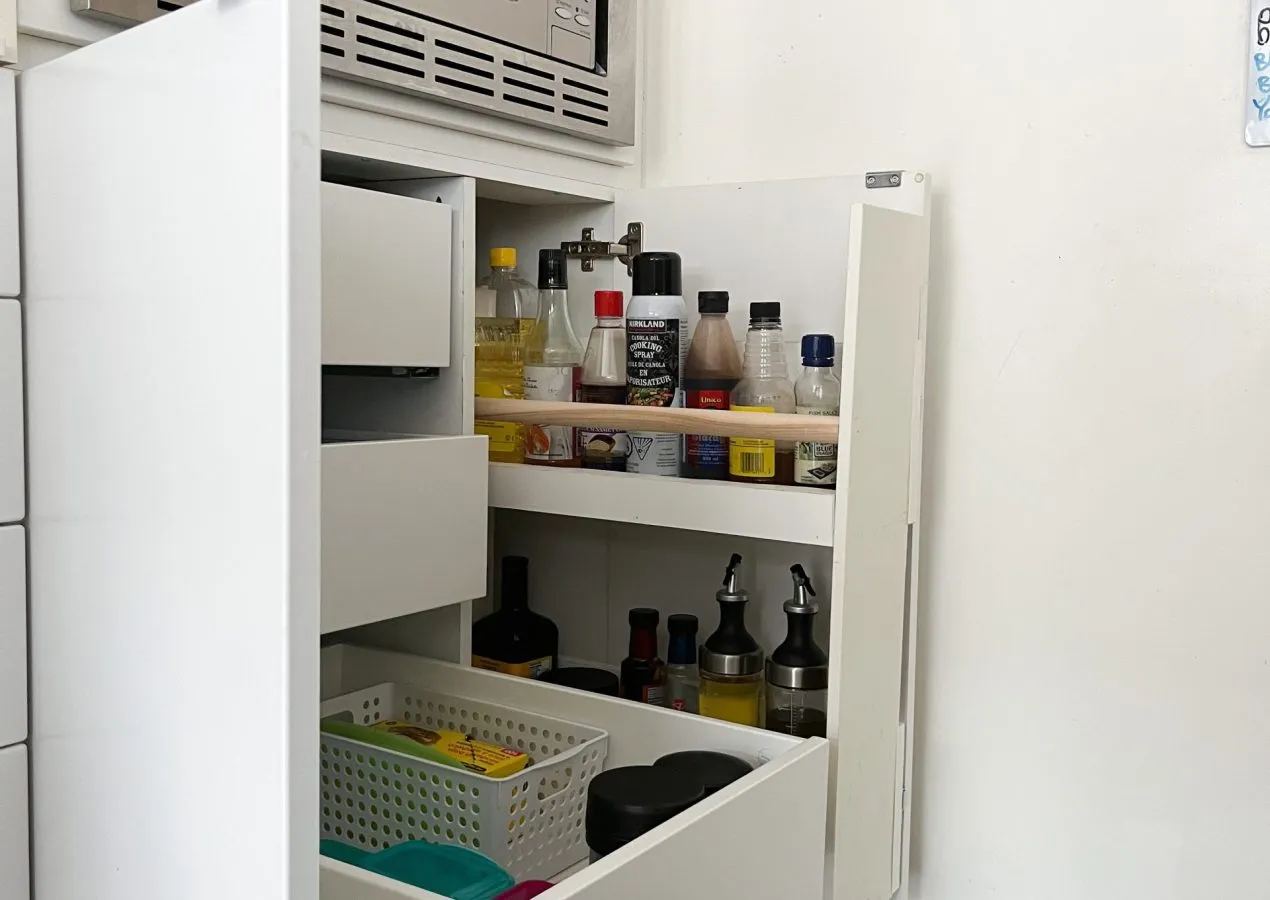
Credit: hanashappyhome.com
Frequently Asked Questions
How Much Space Do I Need To Add A Pantry To My Kitchen?
A pantry needs at least 3 to 5 square feet of space for basic storage.
What Are The Best Materials For Building A Kitchen Pantry?
Wood and metal shelves work well for durability and easy cleaning in pantries.
Can I Add A Pantry In A Small Kitchen Without Remodeling?
Yes, use tall cabinets or wall shelves to create pantry space without big changes.
Conclusion
Adding a pantry to your kitchen brings extra space and better organization. You can store food and kitchen tools neatly. This makes cooking easier and faster. Small kitchens also benefit from a pantry’s smart use of space. Choose a spot that fits your needs and style.
Plan shelves and containers to keep things tidy. A well-planned pantry helps reduce clutter and saves money. Start with simple steps and build your perfect kitchen pantry today.