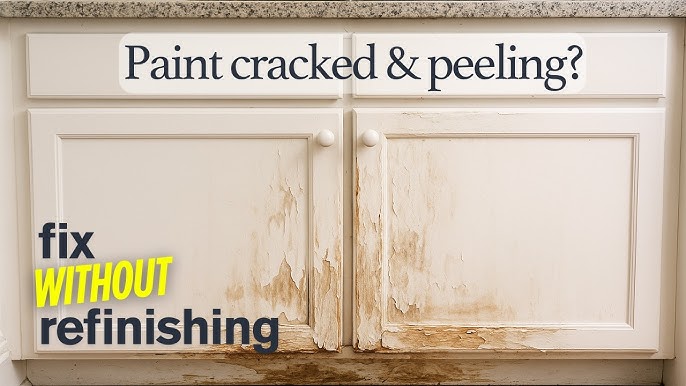
Your kitchen cabinets are more than just storage—they shape the heart of your home. When water damage strikes, it can feel overwhelming and frustrating.
But don’t worry—you don’t have to replace everything or spend a fortune. In this guide, you’ll discover simple, effective ways to repair your water damaged kitchen cabinets. By following these easy steps, you’ll bring your cabinets back to life and protect your kitchen from future problems.
Keep reading to learn how to save your cabinets and restore the beauty of your kitchen.

Credit: www.youtube.com
Identify Water Damage Signs
Look for swollen or soft wood. This shows water has soaked the cabinet. Check for discoloration, such as dark spots or stains. These spots mean water damage is present. Smell the cabinet for a musty odor. It often signals mold or mildew inside.
Notice any peeling paint or bubblingon the cabinet surface. These are signs of moisture underneath. Check if the cabinet doors are hard to close or open. Water damage can warp the wood and change its shape.
- Soft or swollen wood
- Dark stains or discoloration
- Musty or moldy smell
- Peeling or bubbling paint
- Warped or stuck doors
Remove Cabinets Safely
Turn off the water supply to avoid more damage. Clear the area around the cabinets for easy access. Remove all items inside and on top of the cabinets. Use a screwdriver to take out the cabinet doors carefully. Unscrew the cabinet box from the wall studs. Support the cabinet as you remove screws to prevent falls. Pull the cabinet gently away from the wall. Check for mold or soft wood that may need special care. Wear gloves and a mask to protect yourself from dust and mold spores. Keep tools and screws organized for reinstallation or repair.
Dry And Clean Affected Areas
Start by removing all items from the cabinets. Use a dry cloth to wipe away moisture. Open cabinet doors to let air flow inside. Fans or a dehumidifier speed up drying. Avoid using heat directly on wood; it can cause damage. Check for soft spots or swelling on the wood. Use mild soap and water to clean dirt and grime. Rinse with a damp cloth and dry immediately. Look for mold or mildew; clean with a mixture of water and vinegar. Wear gloves to protect your hands. Keep the area well-ventilated during cleaning. Drying and cleaning must be thorough to prevent future problems.

Credit: www.youtube.com
Repair Or Replace Damaged Parts
Check the cabinet parts carefully for any signs of swelling, warping, or soft spots. These show water damage. Small damaged areas can be repaired, but large damage may need replacement.
Remove damaged parts gently to avoid hurting the good wood. Sand rough edges to make surfaces smooth.
- Use wood filler for small holes or cracks.
- Apply wood glue for loose joints.
- Replace cabinet doors or panels if severely damaged.
- Seal repaired areas with waterproof paint or sealant.
Keep all parts dry after repairs to prevent new damage. Regular checks help catch problems early.
Prevent Future Water Damage
Check all pipes and faucets near the kitchen cabinets. Fix leaks quickly to stop water damage.
Keep cabinets dry by wiping spills and moisture immediately. Use a fan or dehumidifier to reduce dampness.
Seal edges and joints with waterproof caulk to block water entry.
Install splash guards behind sinks and stoves to protect cabinet surfaces.
Choose water-resistant materials for cabinet repairs or replacements.
Ensure good ventilation in the kitchen to prevent moisture buildup.
- Regularly inspect under sinks for signs of leaks.
- Use mats or trays inside cabinets to catch drips.
- Avoid placing wet items inside cabinets.
Credit: www.puroclean.com
Frequently Asked Questions
How Do I Identify Water Damage In Kitchen Cabinets?
Look for swelling, discoloration, peeling paint, or a musty smell inside the cabinets.
What Materials Are Best For Repairing Water-damaged Cabinets?
Use wood filler, sandpaper, primer, and waterproof paint or sealant for effective repairs.
How Long Does It Take To Fix Water-damaged Kitchen Cabinets?
Small repairs can take a few hours; major damage may need several days to dry and fix.
Conclusion
Repairing water damaged kitchen cabinets can save time and money. Start by removing all wet materials and drying the area well. Use wood filler or sealant to fix small damages. Replace parts that are too damaged to repair. Keep cabinets dry to prevent future problems.
Regular checks help catch damage early. With some care, your kitchen can look good as new. Don’t wait for damage to get worse. Take action now and protect your kitchen cabinets. Simple steps make a big difference.