Are your kitchen cabinet doors sagging, creaking, or not closing properly? Replacing your cabinet hinges can fix these problems quickly and save you the cost of a full remodel.
You don’t need to be a handyman to do this. With a few simple tools and clear steps, you can restore your cabinets to like-new condition. Keep reading, and you’ll discover how easy it is to replace your kitchen cabinet hinges yourself—no stress, no confusion, just straightforward help that gets the job done.
Tools And Materials Needed
To replace kitchen cabinet hinges, gather these essential tools and materials. A screwdriveris needed to remove and attach screws. Choose a Phillips or flat-head screwdriverbased on your hinge type.
A drillhelps if screws are tight or holes need new ones. Use a replacement hingethat matches the old one in size and style. Keep some screwshandy in case the old ones are worn out.
Other useful items include a measuring tapeto check hinge size and placement, a pencilto mark new holes, and wood fillerfor old screw holes if needed.
- Screwdriver(Phillips or flat-head)
- Drillwith bits
- Replacement hinges
- Screws
- Measuring tape
- Pencil
- Wood filler
Credit: u-install-itkitchens.com.au
Removing Old Hinges
Start by opening the cabinet door fully. Use a screwdriver to remove screws holding the hinge to the door. Keep the screws safe for later use. Next, remove screws attaching the hinge to the cabinet frame. Gently pull the hinge away from the door and frame. If screws are stuck, use a drill with a screwdriver bit carefully. Check for any hidden screws or clips. Removing old hinges may need some patience. Avoid forcing the hinge to prevent damage to the cabinet or door.
Choosing The Right Replacement Hinges
Choose hinges that match your cabinet type and style. Check the hinge sizecarefully. It must fit the door and cabinet frame perfectly. Look at the hinge type—overlay, inset, or partial overlay. Each works differently on cabinet doors.
Material matters. Stainless steel or brass hinges last longer and resist rust. Pick hinges with the right mounting style. Some attach to the door edge, others inside the cabinet.
| Hinge Type | Use For | Feature |
|---|---|---|
| Overlay | Doors sit over cabinet frame | Easy to install |
| Inset | Doors sit inside cabinet frame | Clean, flush look |
| Partial Overlay | Doors cover part of frame | Common in older cabinets |
- Measure old hinges before buying new ones.
- Choose hinges with smooth movement.
- Match hinge finish to cabinet hardware.
- Check screw hole placement for easy swap.

Credit: www.reddit.com
Installing New Hinges
Remove the old hinges carefully using a screwdriver. Keep screws safe if you want to reuse them. Align the new hinge with the holes on the cabinet door. Make sure it fits well and the door can open smoothly. Use a pencil to mark new screw holes if needed. Attach the hinge to the door with screws. Tighten them but don’t over-tighten to avoid damage.
Next, fix the hinge to the cabinet frame. Check the door for proper alignment. Adjust screws slightly if the door doesn’t close well. Test the door several times to ensure smooth movement. Use a level tool to check if the door is straight. Repeat for all cabinet doors. Clean the area to remove dust and debris.
Adjusting And Testing Hinges
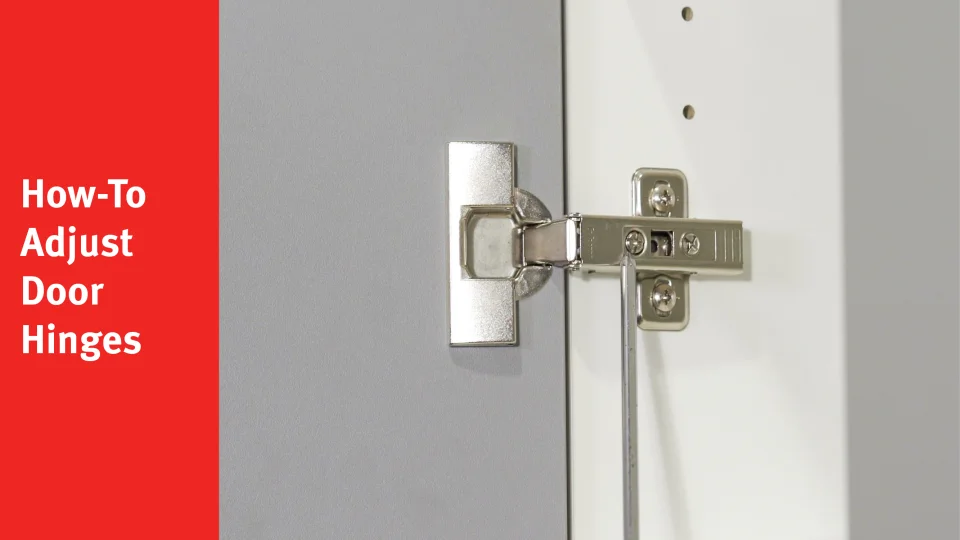
Adjusting cabinet hinges ensures doors open and close smoothly. Start by checking if the door is aligned evenly with the cabinet frame. Use a screwdriver to turn the adjustment screws on the hinge. These screws control the door’s side-to-side, up-and-down, and in-and-out movements.
Test the door by opening and closing it several times. Look for gaps or uneven spaces around the door edges. Tighten or loosen screws as needed to fix any misalignment. Make small adjustments and test again.
- Check for smooth door movement without sticking
- Ensure the door fits flush with the cabinet frame
- Tighten loose screws to avoid door sagging
- Replace damaged hinges if adjustments don’t work
Proper hinge adjustment improves cabinet look and function. It helps prevent door damage and keeps your kitchen neat.

Credit: www.amazon.com
Frequently Asked Questions
How Do I Remove Old Kitchen Cabinet Hinges Safely?
Use a screwdriver to unscrew the hinges carefully. Support the door to stop it from falling.
What Tools Are Needed To Replace Cabinet Hinges?
A screwdriver, new hinges, and a drill if new holes are needed.
How Can I Align New Cabinet Hinges Properly?
Attach hinges loosely first. Adjust door position, then tighten screws for perfect alignment.
Conclusion
Replacing kitchen cabinet hinges can be simple and quick. Follow the steps carefully and use the right tools. Check each hinge for damage before starting. Take your time to remove old hinges safely. Attach new hinges firmly for smooth door movement.
Test the doors to ensure they open and close well. Small repairs like this save money and improve kitchen look. Keep your kitchen cabinets working like new with regular care. You can do this yourself, no special skills needed. A fresh hinge makes your kitchen feel updated and neat.