Have you ever found yourself standing in your kitchen, wondering why your sink just doesn’t seem to fit? Choosing the right kitchen sink is more than just a decision; it’s a crucial step in creating a functional and beautiful space.
Whether you’re renovating or building your dream kitchen from scratch, the sink is a centerpiece that demands your attention. Imagine a sink that complements your style, accommodates your needs, and makes daily tasks feel effortless. Sounds perfect, right? With so many options out there, picking the ideal kitchen sink might seem overwhelming.
But don’t worry – this guide is here to simplify the process for you. Get ready to discover how the right sink can transform your kitchen and make every moment spent there enjoyable.
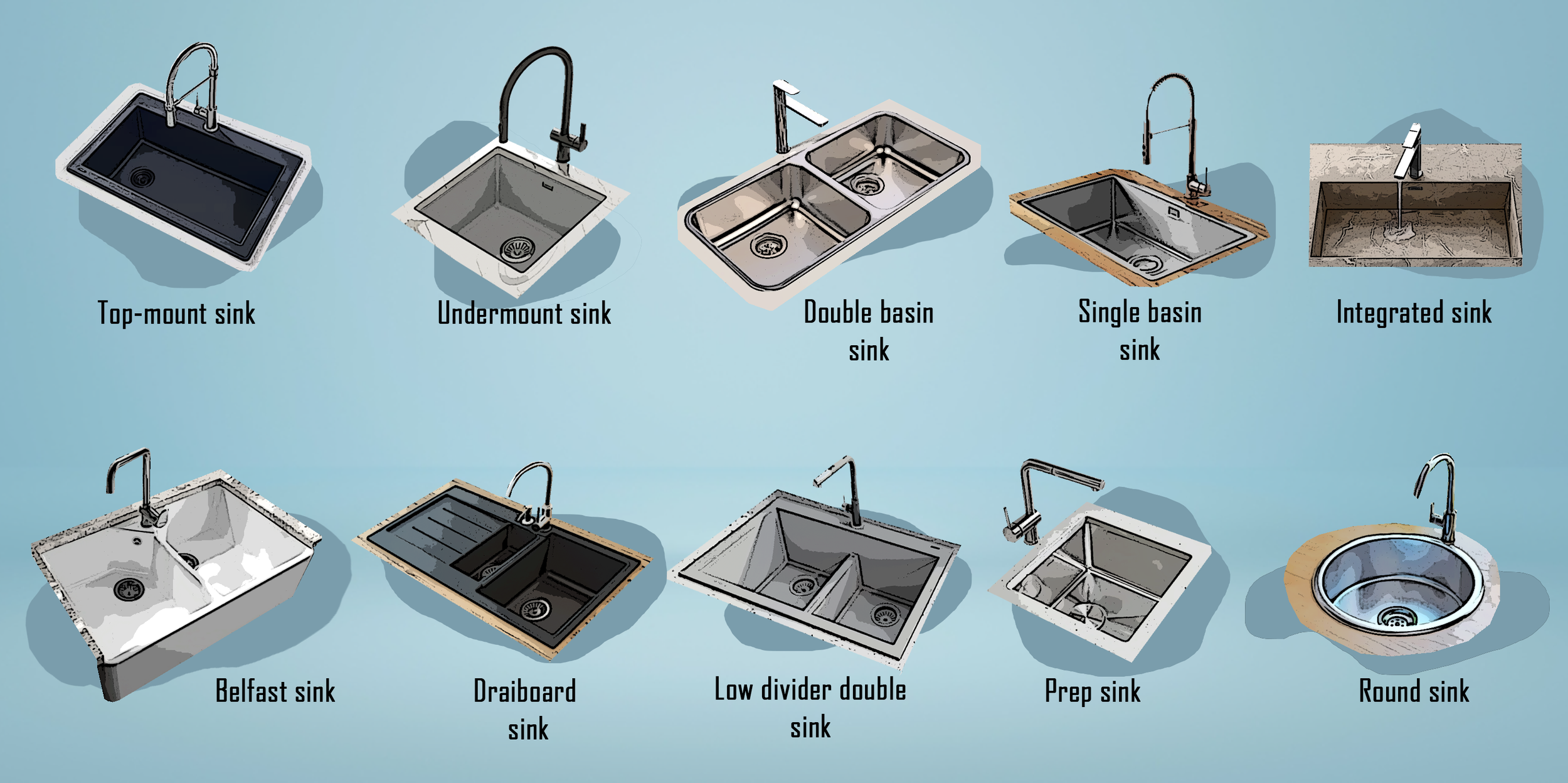
Types Of Kitchen Sinks
Top-mount sinksare easy to install. They have a rim that sits on the countertop. These sinks are often more affordable. Cleaning them is a bit tricky around the edges. They offer a traditional look. Perfect for any kitchen style.
Undermount sinkshang below the countertop. They give a sleek and modern look. Cleaning is easier because there is no rim. These sinks need strong support underneath. They work well with solid countertops.
Farmhouse sinksare big and deep. They add charm to the kitchen. These sinks often have a front apron. They are great for large pots and pans. Installation might need some cabinet changes. They fit well in rustic or traditional kitchens.
Integrated sinksblend with the countertop. They offer a seamless look. Cleaning is super easy with no edges. These sinks are custom-made. They can be expensive but stylish. Perfect for modern kitchens.
Material Options
Stainless steelsinks are very popular. They are durableand resist rust. These sinks are easy to clean. They can fit in many kitchen styles. Noise can be a problem with thin steel. Thicker steel is quieter. Choose a finish you like. Shiny or brushed, both look good.
Cast ironsinks have a shiny finish. They are very strongand long-lasting. The surface is easy to clean. They come in many colors. These sinks are heavy. Make sure your counter can hold it. They are good for classic kitchens.
Composite granitesinks are made from stone and resin. They are very toughand resist scratches. The surface is smooth and easy to clean. They come in many colors. These sinks are quieter than metal sinks. They give a modern look to kitchens.
Fireclaysinks are made from special clay. They have a glossyfinish and are very strong. These sinks resist scratches and stains. They are easy to clean. They are good for farmhouse or vintage kitchens. Fireclay sinks are heavy, so strong counters are needed.
Size And Configuration
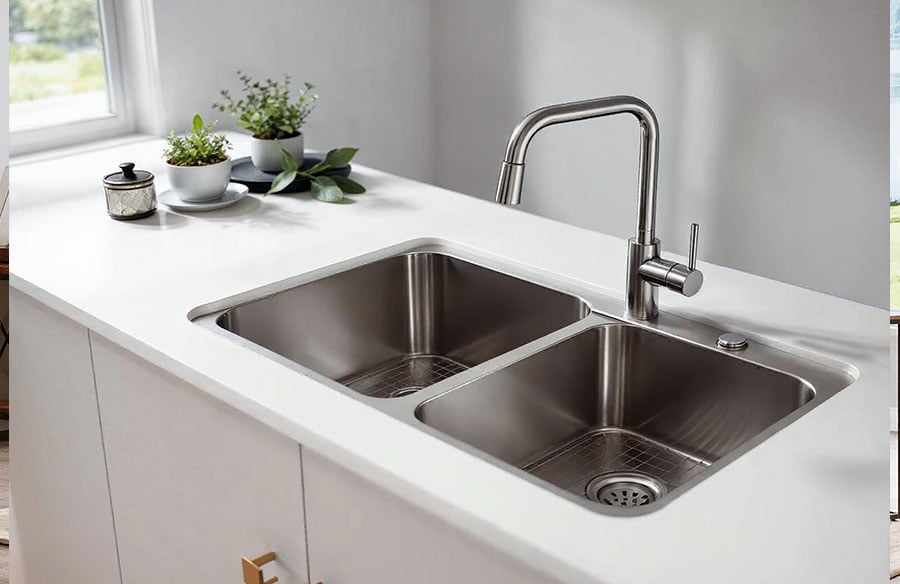
Single bowl sinksare great for small kitchens. They offer a large space to wash big pots. Double bowl sinkshelp separate tasks. You can wash and rinse at the same time. Think about how much cooking you do. Single bowls save space, while double bowls give more options.
Depth affects how much water the sink holds. A deeper sink can hold more dishes. But reaching the bottom is harder. Shallow sinksare easier to use. They might splash water more. Choose a depth that feels right for you.
Sinks need to fit well in your kitchen. Measure the space before buying. Ensure there is room around the sink. The cabinetry should support the sink’s weight. Consider any plumbing and pipes below. They should not interfere with the sink’s fit.
Design And Style
Selecting the right kitchen sink involves considering material, style, and size. Stainless steel offers durability and a modern look. For a classic feel, consider porcelain or cast iron. Ensure the sink fits your kitchen space and complements your design theme.
Modern Vs. Traditional
Choosing between modernand traditionalstyles is important. Modern sinks are sleek and simple. They often have sharp edges. Traditional sinks have curves and details. They give a classic look. Consider the style of your kitchen. Match it with the sink for harmony.
Color And Finish Options
Sinks come in many colors and finishes. Stainless steelis popular for its shine. White porcelaingives a clean look. Dark colors like black add drama. Choose a finish that complements your kitchen. Matte finishes are less shiny. Glossy finishes reflect light.
Sink Accessories
- Soap dispenserskeep soap handy.
- Drain rackshelp dry dishes.
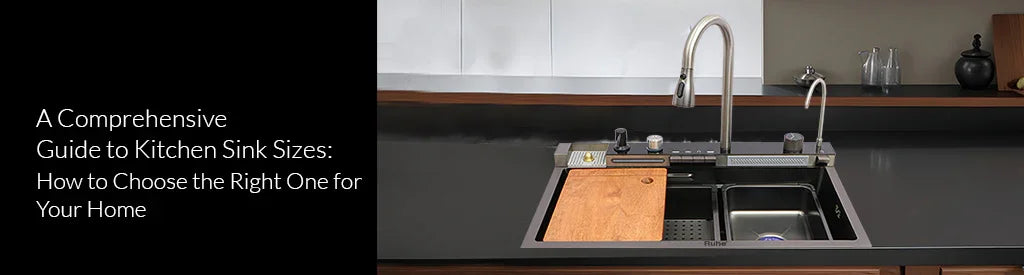
- Cutting boardsfit over the sink.
- Strainerscatch food scraps.
These accessories make tasks easier. Consider what you need daily. Choose accessories that fit your sink.
Installation And Maintenance
Selecting the right kitchen sink involves considering its installation ease and maintenance needs. Opt for materials that resist stains and scratches, ensuring longevity and easy cleaning. Check compatibility with existing plumbing to avoid costly adjustments.
Ease Of Installation
Choose a sink that is easy to install. Some sinks come with pre-drilled holesfor faucets. Others might need custom drilling. Make sure you have the right tools for the job. A lightweight sink is easier to handle. Follow the manufacturer’s instructionsfor a smooth installation process.
Cleaning And Care Tips
Use mild soap and water to clean your sink. Avoid harsh chemicals as they can damage the surface. A soft sponge is best for cleaning. Rinse the sink after each use to prevent stains. Dry it with a soft cloth to avoid water spots. Regular care keeps your sink looking new.
Durability Factors
Durable sinks last longer and look better. Stainless steel is a strong choice. It resists rust and dents. Porcelain sinks are also durable but can chip. Check for a quality finishthat withstands daily use. A sturdy sink is a good investment for your kitchen.

Credit: www.youtube.com
Budget Considerations
Budget is key when selecting a kitchen sink. Compare prices and materials to find the best fit. Consider installation costs and long-term durability to ensure value for money.
Cost Vs. Quality
Balancing costand qualityis crucial for choosing a kitchen sink. A cheap sink might save money now. But it may not last long. Higher quality sinks are more durable. They resist scratches and stains. Stainless steel sinks are popular and reliable. They fit many budgets and look nice. Porcelain sinks offer a classic look but can chip. Consider your kitchen’s use. A busy kitchen might need a stronger sink.
Long-term Investment
A kitchen sink is a long-term investment. Think about future needs when choosing. A durable sink can last many years. This saves money in the long run. Spending more now can mean fewer repairs later. Look for materials like granite or composite. These last longer and resist damage. Investing in quality improves kitchen value. A good sink is worth the cost over time.
Environmental Impact
Choosing a kitchen sink impacts the environment through material selection and manufacturing processes. Opt for sinks made from sustainable materials like stainless steel or recycled composites to reduce ecological footprint. Considering eco-friendly options supports a greener lifestyle and promotes environmental conservation.
Sustainable Materials
Choosing a sink made from sustainable materials can reduce harm to nature. Look for sinks made from recycled metals or bamboo. These options help preserve resources. Stainless steel is durable and recyclable, making it a smart choice. Porcelain is another eco-friendly option; it’s long-lasting and natural. Avoid sinks with harmful chemicals or plastics. Consider the product’s lifespan and reusability.
Water Efficiency Features
Water-efficient sinks save water and money. Choose a sink with a low-flow faucet. It reduces water use and helps the environment. Some sinks have built-in water-saving technology. These features minimize waste and lower water bills. Check for sinks with aerators to maintain pressure while using less water. This helps in conserving water effectively.
Credit: www.re-thinkingthefuture.com
Credit: ruheindia.com
Frequently Asked Questions
What Material Is Best For Kitchen Sinks?
Choosing the best material depends on your needs. Stainless steel is durable and cost-effective. Granite composite offers great style and scratch resistance. Porcelain is elegant but requires careful handling. Consider your budget, usage, and kitchen style when selecting the material.
How Do I Measure For A Kitchen Sink?
To measure for a sink, first measure the cabinet width and depth. Consider the sink size and type. Allow space for plumbing underneath. Ensure the sink fits comfortably with room for fixtures. Accurate measurements ensure a perfect fit in your kitchen setup.
Should I Choose Single Or Double Basin?
Single basins offer more space for larger items. Double basins allow multitasking, like washing and rinsing simultaneously. Consider your cooking habits and kitchen space. Evaluate which basin type best suits your daily needs and enhances your kitchen functionality.
What Is The Average Cost Of A Kitchen Sink?
The average cost varies widely. Basic stainless steel sinks start around $100. High-end granite or quartz sinks can reach $1,000. Factors like material, brand, and size affect the price. Set a budget and compare options to find the best value for your kitchen.
Conclusion
Choosing the right kitchen sink matters. It impacts daily tasks and style. Consider size, material, and design. These factors ensure it fits your needs. Stainless steel offers durability. Porcelain adds elegance. Think about maintenance too. A good sink should be easy to clean.
Installation type is crucial. Undermount, top-mount, or farmhouse? Each has pros and cons. Budget is important. Balance quality and cost. Take time to explore options. Visit showrooms if possible. A well-chosen sink enhances your kitchen. It makes cooking and cleaning more enjoyable.
Happy sink shopping!