Have you ever noticed your kitchen faucet losing its powerful stream, turning into a weak drizzle? If you have, the culprit might be a clogged aerator.
The aerator is that tiny piece at the end of your faucet, often overlooked, yet crucial for maintaining water pressure and keeping your water clean. When it gets blocked with mineral deposits and debris, it can affect everything from washing dishes to rinsing vegetables.
But don’t worry—cleaning it is easier than you might think. In this guide, you’ll discover simple steps to rejuvenate your faucet and ensure a smooth flow of water. Dive in and learn how a quick fix can make your daily kitchen tasks more efficient and enjoyable.
Tools Needed
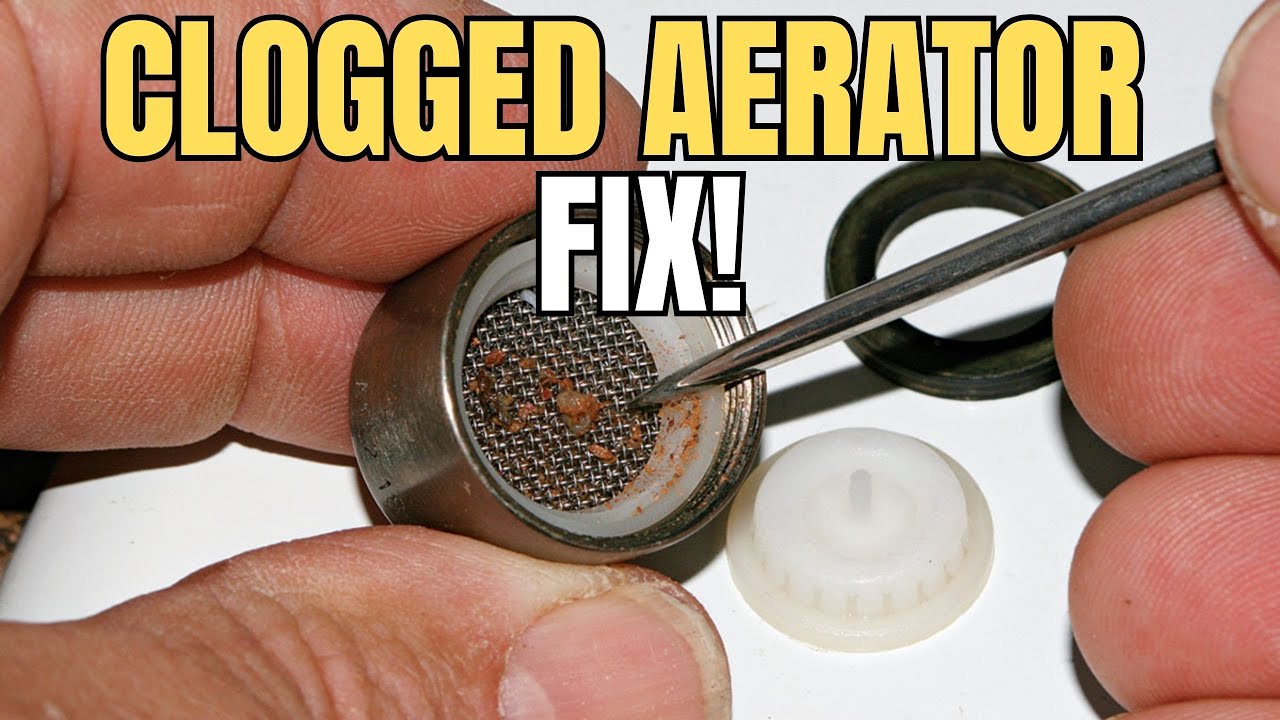
To clean your kitchen faucet aerator, gather some basic tools. You will need a pair of pliersto unscrew the aerator. A small toothbrushor an old toothbrushcan help scrub away dirt. Use a bowlto soak the aerator in vinegar. Have a clean clothready to wipe everything dry. Keep a small needlehandy to clear out tiny holes. These tools make the task easy and quick.

Credit: www.yahoo.com
Turning Off The Water
First, find the valves under the sink. Turn the valves clockwise to stop the water. This prevents any mess while cleaning.
Check if the water is off by turning on the faucet. No water should come out. This ensures the valves are closed tightly.
It’s important to keep towels handy. They can catch any remaining drips. This keeps the area dry and clean.
Removing The Aerator
First, check if the aerator is screwed on tightly. Use a wrench to loosen it if needed. Be gentle to avoid damage. Wrap the aerator with a cloth before using tools. This protects the finish.
Once loose, turn the aerator counterclockwise. It should come off easily. Place parts in a safe spot. The aerator may have small pieces. Keep them together to avoid losing them. Check for washers and seals. They might need cleaning too.
If stuck, soak the aerator in vinegar. This helps loosen mineral buildup. Rinse thoroughly before reassembling. Inspect for damage or wear. Replace parts if necessary. Reassemble the aerator by reversing the steps. Ensure a tight fit to prevent leaks.

Credit: www.youtube.com
Cleaning Methods
Cleaning a kitchen faucet aerator involves removing it, soaking in vinegar, and scrubbing away debris. Regular maintenance helps prevent blockages and ensures smooth water flow. A clean aerator improves water pressure and keeps your kitchen running efficiently.
Vinegar Soak
Fill a small bowl with white vinegar. Remove the aerator from the faucet. Place the aerator in the vinegar. Soak it for 30 minutes. This helps loosen any grime or mineral deposits. Rinse with warm water after soaking. Screw the aerator back onto the faucet.
Brushing
Use a soft toothbrush for cleaning the aerator. Gently scrub the parts with the brush. This removes any stubborn dirt. Make sure to clean both sides. Rinse well with warm water. Reattach the aerator to the faucet.
Baking Soda Paste
Mix baking soda with a little water. Form a thick paste. Apply it to the aerator. Let it sit for 10 minutes. Scrub gently with a toothbrush. Rinse with warm water. Reattach the aerator.
Needle Cleaning
Use a needle to poke clogged holes. Gently clear any debris. This method helps improve water flow. Be careful not to damage the aerator. Rinse with water afterwards.
Reassembling The Aerator
Start by placing the screen back into the aerator housing. Ensure it fits snugly. Next, insert the washer on top of the screen. It helps keep the screen in place. If there is a flow restrictor, place it next. Align all pieces carefully inside the housing.
Screw the aerator back onto the faucet. Use your hand to tighten it gently. Avoid using tools that might damage it. Test the water flow after reassembly. If water sputters or sprays, check the alignment. Ensure each part is secure inside the housing.
Testing The Faucet
Turn on the faucet and watch the water flow. Is the water spraying everywhere? If yes, the aerator might be dirty. Look closely at the water stream. A smooth stream means the aerator is clean. A rough stream means it needs cleaning. Check for leaks around the faucet. Leaks can mean the aerator is loose. Tighten it gently if needed. Listen to the water. Does it make strange noises? Noises can mean blockage. Cleaning the aerator might help. Use a cloth to wipe the faucet surface. Dirt can hide problems. Clean surfaces make testing easier.

Credit: www.yahoo.com
Frequently Asked Questions
What Is A Kitchen Faucet Aerator?
A kitchen faucet aerator is a small device attached to the faucet tip. It mixes air with water, reducing splashing and conserving water. Regular cleaning prevents clogging and maintains water flow efficiency. Cleaning an aerator is an easy and effective way to ensure a smooth water stream.
Why Clean A Faucet Aerator Regularly?
Cleaning a faucet aerator regularly prevents mineral buildup and clogs. It ensures efficient water flow and improves water quality. Regular maintenance extends the faucet’s lifespan. A clean aerator also reduces water pressure issues, making your kitchen tasks more convenient and efficient.
How Often Should I Clean The Aerator?
It’s recommended to clean your faucet aerator every three to six months. Regular cleaning prevents mineral deposits and ensures consistent water pressure. More frequent cleaning may be necessary in areas with hard water. This routine helps maintain optimal faucet performance and water quality.
What Tools Are Needed To Clean An Aerator?
To clean an aerator, you’ll need a wrench or pliers, a toothbrush, and white vinegar. The wrench helps remove the aerator, while the toothbrush scrubs off debris. Soaking in white vinegar dissolves mineral deposits, restoring the aerator’s functionality and ensuring smooth water flow.
Conclusion
Cleaning a kitchen faucet aerator is simple and rewarding. A few tools and steps make a big difference. First, remove the aerator carefully. Next, soak it in vinegar for effective cleaning. Then, scrub gently to remove debris. Rinse it thoroughly with water.
Finally, reattach the aerator securely. Regular cleaning ensures a smooth water flow. It prevents clogs and keeps your faucet efficient. This small task can enhance your kitchen experience. A clean aerator means cleaner water. Remember, maintenance is key. Keep your kitchen faucet in top condition.
Happy cleaning!