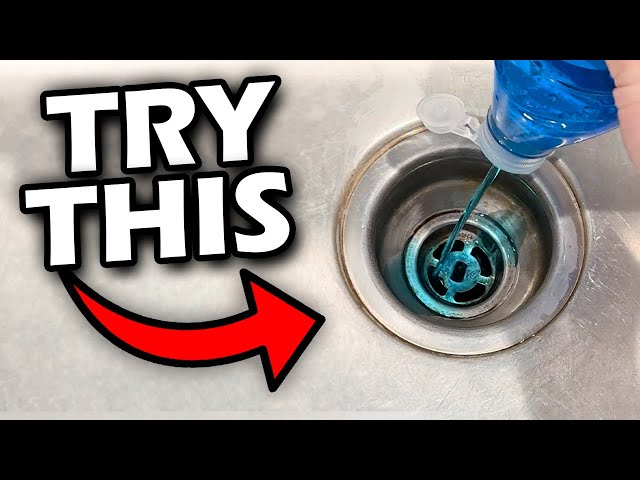
You’ve probably noticed it—the unmistakable, unpleasant odor emanating from your kitchen drain. It’s a common problem that can turn your favorite cooking space into a less-than-inviting area.
You might find yourself wondering what causes this smell and, more importantly, how you can get rid of it. Imagine walking into your kitchen, ready to whip up a delicious meal, and being greeted not by the fresh scent of ingredients, but by a foul odor that makes you cringe.
That’s not the experience you want, right? But here’s the good news: tackling a smelly kitchen drain doesn’t have to be a daunting task. With the right approach, you can eliminate the odor and prevent it from coming back. Picture this: a clean, fresh-smelling kitchen where you feel comfortable cooking and spending time with your family. That’s the kind of environment you deserve, and with the tips and tricks you can make it a reality. So, are you ready to transform your kitchen into a pleasant and inviting space once again? Let’s dive in and discover how you can clean your smelly kitchen drain effectively and effortlessly.

Credit: katieskottage.com
Causes Of Drain Odors
Food particles often get stuck in the drain. These food bits rot and smell bad. Grease is another common cause. It hardens and traps other debris. This mix creates a foul odor. Soap scum can also build up. It combines with dirt and forms a smelly sludge. Hair is a less known culprit. It clogs pipes and catches other waste. This blockage then produces a stink. Bacteria love warm, wet places. Drains are perfect for them. They grow and give off a bad smell. Each of these factors contributes to nasty drain odors.

Credit: www.raincitymaids.com
Essential Cleaning Tools
- Rubber gloves:Protect your hands from harsh chemicals.
- Plunger:Useful for removing blockages in the drain.
- Baking soda:Natural cleaner that fights odors.
- Vinegar:Helps break down grime and kills bacteria.
- Old toothbrush:Ideal for scrubbing hard-to-reach areas.
- Drain snake:Removes hair and debris from pipes.
- Bucket:Catches excess water during cleaning.
These tools make cleaning easy. They help keep drains fresh and clear. Always wear gloves to stay safe. Use a plunger for tough clogs. Baking soda and vinegar work well together. An old toothbrush reaches tight spots. A drain snake is handy for deep cleaning. Keep a bucket nearby for water spills.
Natural Remedies For Drain Smells
Baking sodacan help clean drains. Sprinkle baking soda down the drain. Then pour hot water. This helps remove bad smells.
Vinegaris another good option. Pour vinegar down the drain. Wait a few minutes. Rinse with hot water. Vinegar fights bacteria.
Lemon juicefreshens drains. Squeeze lemon juice into the drain. Let it sit for a while. Rinse with warm water. It smells nice.
Try saltmixed with hot water. Salt helps clean pipes. Pour the mixture down the drain. Let it stand for a few minutes. Then rinse.
Coffee groundscan absorb odors. Put used coffee grounds in the drain. Let them sit. Rinse away with water. It helps reduce smell.

Credit: housewifehowtos.com
Using Chemical Cleaners Safely
Chemical cleaners can help with smelly drains. Always read the instructions first. Wear gloves to protect your skin. Ventilate the kitchen by opening windows or using a fan. This reduces harmful fumes. Pour the cleaner slowly into the drain. Avoid splashes. Never mix different cleaners. It can be dangerous. Leave the cleaner in the drain for the time stated on the label. Flush the drain with water after cleaning. This removes any leftover cleaner. Store chemicals safely after use. Keep them away from children and pets.
Preventing Future Odors
Keep drains clean with regular maintenance. Pour hot water weekly down the drain. It helps remove residue and grease. Use a mixture of baking soda and vinegar monthly. Pour 1/2 cup of baking soda first. Then, add 1 cup of vinegar. Let it sit for 10 minutes. Rinse with hot water.
Install a drain cover to catch food particles. Clean the cover regularly to avoid buildup. Avoid pouring oil or fat down the sink. These can harden and cause bad smells. Always use cold water when using the garbage disposal. This helps solidify oils for easier grinding.
- Hot water weekly
- Baking soda and vinegar monthly
- Install a drain cover
- Avoid pouring oil or fat
- Use cold water with disposal
When To Call A Professional
Sometimes, a kitchen drain is too smelly to fix alone. Strong odors that linger may need expert help. Persistent clogs can cause water to back up. It’s hard to clean without the right tools. Water draining slowly can signal deeper issues. Professionals have machines to clear tough clogs. If there’s a gurgling sound, it might mean a bigger problem. Experts know how to handle this safely. Unusual smells like rotten eggs can mean a gas leak. This is dangerous and should be checked quickly.
If you’ve tried home methods and the smell remains, call a plumber. They can inspect the pipes for damage. Routine check-ups can prevent bigger problems later. It’s always better to be safe.
Frequently Asked Questions
How Can I Eliminate Odor From My Kitchen Drain?
To eliminate odor, pour a mixture of baking soda and vinegar down the drain. Let it fizz for a few minutes, then rinse with hot water. This helps to neutralize odors and clear minor blockages, leaving your drain smelling fresh.
What Causes A Kitchen Drain To Smell?
A smelly drain is often caused by food particles and grease buildup. Over time, these can decompose, releasing unpleasant odors. Regular cleaning helps prevent these blockages and reduces odors by keeping the drain clear and clean.
Can I Use Bleach To Clean My Kitchen Drain?
While bleach can disinfect, it may not remove buildup effectively. It can also damage pipes over time. Instead, use natural solutions like vinegar and baking soda, which are safe, effective, and environmentally friendly for cleaning and deodorizing drains.
How Often Should I Clean My Kitchen Drain?
Cleaning your kitchen drain once a month is a good practice. Regular maintenance prevents odors and clogs, ensuring your drain remains clear. Use a natural cleaning method like baking soda and vinegar to keep your kitchen smelling fresh and clean.
Conclusion
Cleaning a smelly kitchen drain is simple and effective. With the right methods, you can keep odors at bay. Regular cleaning prevents buildup and keeps drains fresh. Using natural ingredients like vinegar and baking soda is safe. Always rinse with hot water after cleaning.
This helps maintain clean pipes and eliminate smells. Remember to clean the drain cover too. It collects food particles and grease. A clean kitchen drain enhances your cooking environment. Make it part of your regular cleaning routine. Enjoy a fresher, more pleasant kitchen today.