Imagine transforming your kitchen into a cozy haven with handmade crochet towels. Not only do these towels add a personal touch to your space, but they’re also functional and eco-friendly.
If you’ve ever admired the charm of crocheted items and wondered how to make them yourself, you’re in the right place. With just a few simple tools and some yarn, you can create beautiful kitchen towels that will impress your guests and make everyday tasks feel special.
By the time you finish reading, you’ll have the know-how to crochet your very own set of kitchen towels, and you’ll be eager to start your next project. So, get ready to dive into the world of crochet and unleash your creativity.

Credit: nanascraftyhome.com
Choosing The Right Yarn
Selecting the perfect yarn is crucial for crocheting kitchen towels. Choose cotton yarn for its absorbency and durability. Lightweight yarns work best, ensuring your towels are both functional and easy to wash.
Best Yarn Types For Kitchen Towels
Cotton yarn is a top choice for kitchen towels. It absorbs water well. Durable and easy to wash too. Bamboo yarn is soft and eco-friendly. It dries quickly and resists mold. Blended yarns mix cotton with polyester. They offer strength and absorbency. Choose yarn that suits your needs best.
Color And Texture Considerations
Light colors show stains easily. Dark colors hide dirt better. Textured yarns add grip to towels. Smooth yarns feel soft on hands. Choose colors that match your kitchen theme. Consider textures that add function. Your towel should be both pretty and useful.

Credit: www.youshouldcraft.com
Essential Crochet Tools
Crochet hooks, yarn, and scissors are crucial for crafting kitchen towels. A measuring tape ensures perfect sizing. Stitch markers and a yarn needle help with precision and finishing touches.
Crochet Hook Sizes
Choosing the right crochet hook sizeis crucial. Small hooks make tight stitches. Large hooks create loose stitches. Common sizes are F, G, H, and I. Each size suits different yarns. Check yarn labels for guidance. Matching hook and yarn size is important.
Additional Tools Needed
- Yarn needlefor weaving ends.
- Scissorsto cut yarn.
- Measuring tapefor size checking.
- Stitch markersto track progress.
These tools help keep your crochet neat. They also make the process easier.
Basic Crochet Stitches
The chain stitchis the starting point for most crochet projects. Make a loop with yarn. Pull the yarn through the loop. Repeat to form a chain. This stitch is simple. Practice until it’s easy.
The single crochetstitch is tight and small. Insert the hook into the stitch. Yarn over and pull through. Yarn over again. Pull through both loops on the hook. This makes a neat row.
The double crochetstitch is taller. Yarn over before inserting the hook. Pull through the stitch. Yarn over and pull through two loops. Yarn over and pull through the last two loops. This stitch is loose and airy.
Patterns For Kitchen Towels
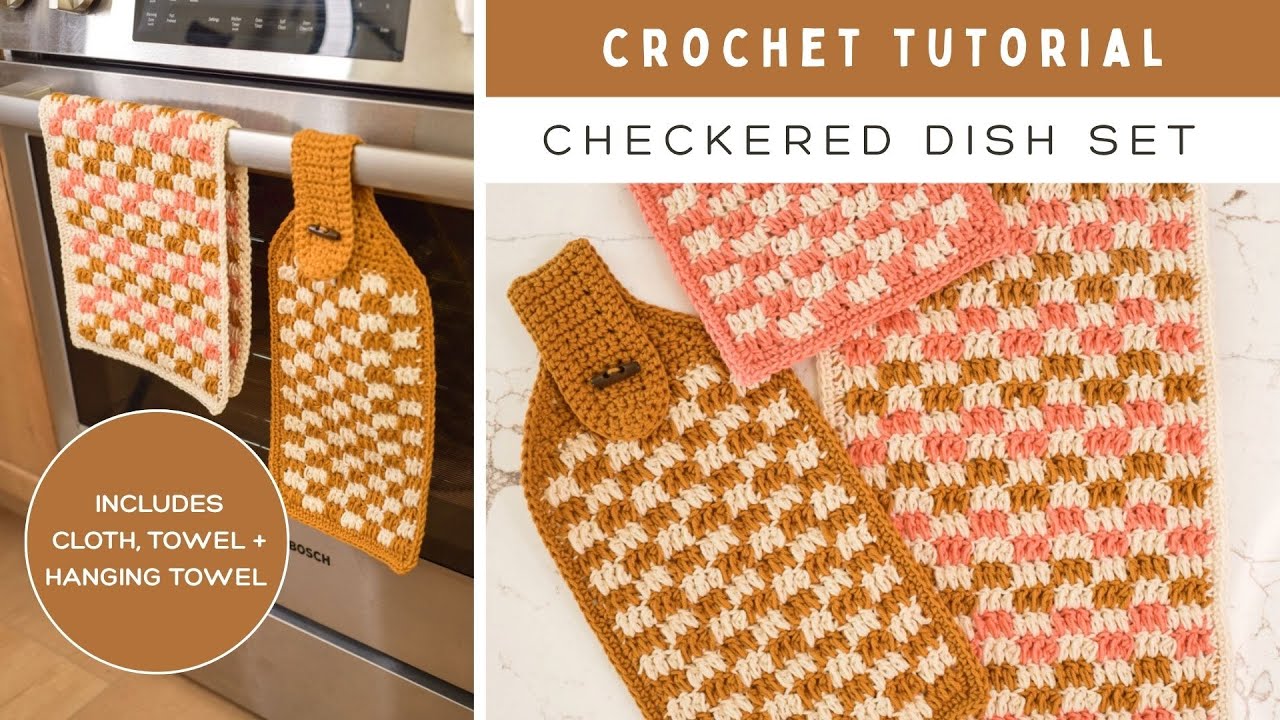
Crocheting kitchen towels adds a personal touch to your kitchen. Choose simple patterns like stripes or checks. Use cotton yarn for absorbency and durability. These towels make great gifts and brighten up any kitchen space.
Simple Patterns For Beginners
Start with a single crochet stitch. It is easy and fun. Use soft yarn for comfort. Choose bright colors for a cheerful kitchen. Make a basic rectangle shape. Add a loop for hanging. Practice makes the pattern perfect.
Advanced Patterns For Experienced Crafters
Try the shell stitchfor a fancy look. It creates a lovely texture. Combine different yarn colors for style. Use cotton yarn for absorbency. Make intricate edges for a polished finish. Add decorative buttons or borders. These towels impress guests.
Step-by-step Towel Creation
Crocheting kitchen towels involves selecting cotton yarn and a suitable crochet hook. Begin with a simple chain stitch, then follow a basic pattern of single and double crochet stitches. Add decorative edges for a personalized touch.
Starting The Base
Begin with a chain stitch. Make it as wide as you want. The chain forms the towel’s base. Use a simple yarn for practice. Keep the tension even. A tight stitch makes a firm towel. A loose stitch makes it soft. Count your stitches carefully. This helps in uniform size.Building The Body
Use a single crochet stitch. Insert the hook in the chain. Pull the yarn through. Yarn over and pull through again. Repeat until the end of the row. Turn your work. Continue with single crochet. Repeat rows to desired length. Keep the edges straight. This ensures a neat finish.Adding Borders And Edges
Choose a contrasting color for borders. Begin with a slip stitch. Work around the towel edges. Use a double crochet for texture. Keep stitches even. This creates a smooth border. Finish with a slip stitch. Weave in any loose ends. Trim excess yarn. Enjoy your new kitchen towel! `Finishing Touches
Add colorful borders to crochet kitchen towels for a polished look. Use contrasting yarn to highlight patterns and designs. Secure edges tightly to ensure durability and prevent unraveling.
Blocking And Shaping
Crochet towels need proper blocking for a neat look. Wet the towel gently. Lay it flat on a clean surface. Use pins to hold the shape. Let it dry completely. This keeps the edges straight. Ensure the towel looks tidy.
Adding Decorative Elements
Decorative elements make towels special. Add a simple border around edges. Use bright yarn for a pop of color. Try adding small crochet flowers or leaves. These details make your towel unique. Remember, simple designs often look best. Have fun with colors and shapes.
Care And Maintenance
Gently hand wash crochet kitchen towels in cool water to keep them soft. Lay flat to dry for best results. Proper care ensures they remain durable and beautiful for everyday use.
Washing And Drying Tips
Crochet kitchen towels need gentle care. Use mild soap for washing. Always use cold or lukewarm water. Hot water can damage the fibers. Hand washing is best for these towels. If using a machine, choose a gentle cycle. Avoid harsh chemicals and bleach. They can make the colors fade. Dry towels flat on a clean surface. Hanging them can stretch the fabric. Using a dryer is not ideal. Air drying keeps them in good shape. If you must use a dryer, set it on low heat. Always check for any loose threads before washing.Storing Your Crochet Towels
Store crochet towels in a dry place. Keep them away from direct sunlight. Sunlight can fade the colors. Fold them neatly to avoid wrinkles. Use a drawer or a cupboard for storage. Avoid stacking too many towels on top. It can squash the crochet pattern. Place a sachet in the drawer to keep them fresh. Ensure towels are completely dry before storing. Moisture can lead to mildew. Rotate them often to use all towels equally. `
Credit: in.pinterest.com
Frequently Asked Questions
What Materials Do I Need To Crochet Kitchen Towels?
To crochet kitchen towels, you’ll need cotton yarn, a crochet hook, and scissors. Cotton yarn is ideal because it’s absorbent and durable. Choose a hook size that matches your yarn’s weight. You might also want stitch markers and a yarn needle for weaving in ends.
How Long Does It Take To Crochet A Kitchen Towel?
Crocheting a kitchen towel can take 2 to 5 hours. The time depends on your skill level and the towel’s complexity. Beginners might take longer, while experienced crocheters can finish faster. It’s a relaxing project perfect for a weekend.
What Are The Best Crochet Stitches For Kitchen Towels?
Popular stitches for kitchen towels include the single crochet, half-double crochet, and waffle stitch. These stitches create a thick, absorbent texture ideal for kitchen use. Experimenting with different stitches can add unique designs and functionality to your towels.
Can I Use Different Yarns For Kitchen Towels?
While cotton yarn is preferred, you can use bamboo or linen yarn. These alternatives are also absorbent and durable, making them suitable for kitchen towels. However, avoid acrylic yarn as it’s less absorbent and not ideal for kitchen use.
Conclusion
Crocheting kitchen towels is a fun and rewarding activity. You can create beautiful, functional towels for your home. With practice, your skills will improve. Choose colors and patterns that match your kitchen decor. Remember, the key is to enjoy the process.
Share your creations with family and friends. They will appreciate your handmade gifts. Keep exploring new crochet techniques. Each project adds to your experience. Start your crochet journey today. Happy crocheting!