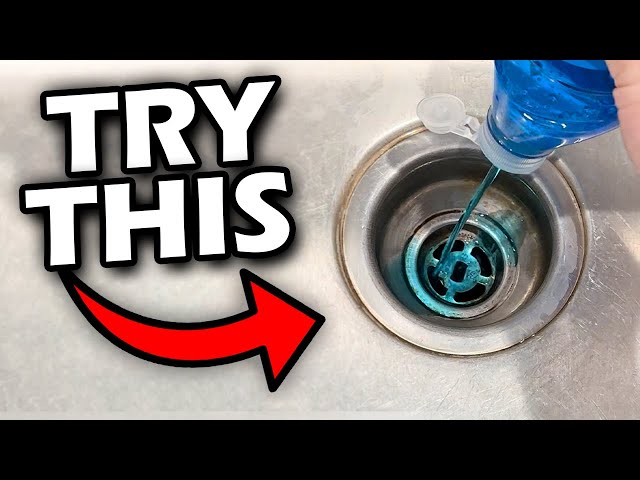
Is your kitchen sink drain giving off unpleasant odors that just won’t go away? You’re not alone.
A stinky drain can make your entire kitchen feel less inviting and even affect your mood. But don’t worry—eliminating that bad smell is easier than you think. You’ll discover simple, effective ways to get rid of those odors for good.
Keep reading to learn how to freshen up your kitchen sink drain and enjoy a cleaner, fresher kitchen every day.
Credit: www.jdservicenow.com
Common Causes Of Sink Odors
Food residue build-upin the sink drain often causes bad smells. Tiny bits of food get stuck and rot over time. This creates a foul odor that spreads to the kitchen.
Bacterial growththrives in damp and dark drains. These bacteria break down leftover food and produce smelly gases. Cleaning the drain regularly helps reduce these bacteria.
Clogged pipesslow down water flow and trap waste. This trapped waste starts to decay and emits a bad smell. Clearing clogs can stop odors from coming back.
Credit: www.youtube.com
Daily Habits To Prevent Odors
Proper disposalof food scraps is key to keeping kitchen drains fresh. Avoid pouring grease or oil down the sink. These substances stick to pipes and cause odors.
- Use a strainer to catch food bits.
- Throw food waste in the trash or compost bin.
- Dispose of coffee grounds and eggshells separately.
Regular cleaning keeps drains smelling good. Clean the sink and drain area at least once a week. Use baking soda and vinegar to break down grime. Rinse with warm water afterward.
Hot waterhelps clear grease and residue. Run hot tap water for 15-20 seconds after each use. This practice helps flush out buildup and stops bad smells.
Natural Remedies For Odor Removal
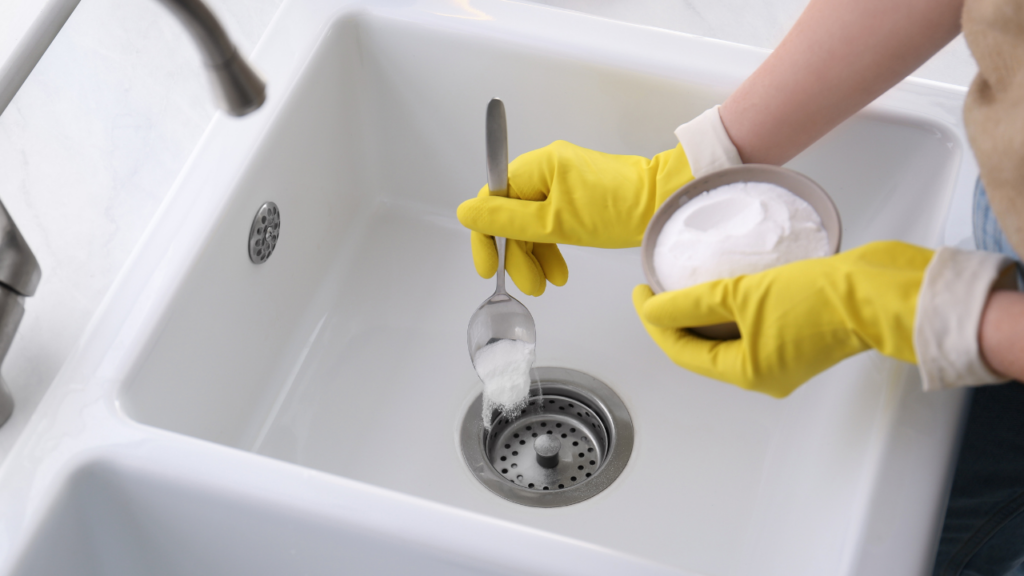
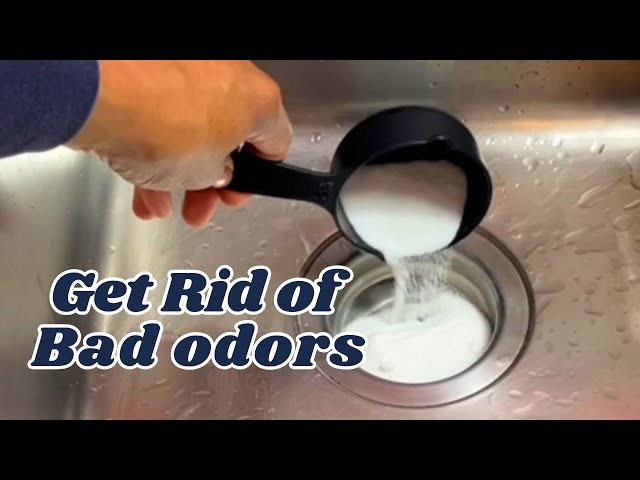
Baking soda and vinegarwork well to clean drains naturally. Pour half a cup of baking soda into the drain. Follow with half a cup of vinegar. Let it fizz and sit for 15 minutes. Rinse with hot water to clear odors and debris.
Use lemon and salt scrubto freshen the sink. Cut a lemon in half and dip it in salt. Scrub the sink and drain area with the lemon. The acid and salt help remove grime and kill smells.
Flush the drain with boiling waterregularly. It melts grease and removes trapped food. Pour boiling water slowly down the drain to keep it clean and odor-free.

Credit: www.amazon.com
Commercial Products To Consider
Enzyme cleanersuse natural bacteria to break down food waste and grease. They keep drains clear and stop bad smells. These cleaners are safe for pipes and the environment. Use them regularly to prevent clogs and odors.
Drain freshenerscome in tablets, gels, or powders. They help mask bad smells and keep drains smelling clean. Some fresheners also have mild cleaning agents to fight buildup. Drop a tablet or pour the gel into the drain as per instructions.
Odor neutralizing sprayswork instantly to remove bad smells. They do not just cover odors but neutralize them. Use sprays around the sink area after cleaning. Choose sprays that are safe for kitchens and food areas.
Deep Cleaning Methods
Pour baking soda and vinegar down the drain to break up odor-causing buildup. Let the mixture sit, then flush with hot water to clear away grime. Regularly cleaning the drain keeps smells from returning and maintains freshness.
Disassembling The P-trap
The P-trapholds water to block sewer gases but can trap debris. Carefully loosen the slip nuts below the sink to remove it. Clean inside with a brush or cloth. Rinse it well before reattaching. This clears buildup causing odors.
Cleaning The Garbage Disposal
Run cold water and turn on the disposal to flush loose food bits. Use a small brush to scrub the rubber flaps inside. Grinding ice cubes can help remove stuck particles. Lemon slices freshen the smell naturally. Always turn off the disposal before cleaning.
Using A Drain Snake
A drain snake reaches deep blockages. Insert it gently into the drain and twist while pushing forward. Pull out debris or hair causing clogs. Clean the snake after use. This tool helps remove tough odors by clearing trapped waste.
Preventing Future Odor Issues
Clean the drain weekly using warm water and mild soap. Avoid pouring grease or oil down the sink. These substances cause buildup and bad smells. Use a drain strainer to catch food scraps. This stops clogs and odors.
Flush the drain with baking soda and vinegar once a month. Let it sit for 15 minutes before rinsing with hot water. This keeps pipes fresh and clear.
- Don’t pour chemicals like bleach or harsh cleaners into the drain.
- These can damage pipes and harm the environment.
- Use natural cleaning methods instead.
Call a plumber if the smell persists after cleaning. Persistent odor may mean a deeper pipe problem. Professionals can inspect and fix hidden issues safely.
Frequently Asked Questions
How Do I Remove Odors From My Kitchen Sink Drain?
To remove odors, pour baking soda followed by vinegar into the drain. Let it fizz for 15 minutes. Then flush with hot water. This natural method breaks down grime and neutralizes smells effectively.
What Causes Bad Smells In Kitchen Sink Drains?
Bad smells often come from food particles stuck in the drain or buildup of grease. Bacteria feed on this debris, producing foul odors. Regular cleaning prevents this problem.
Can Natural Ingredients Eliminate Kitchen Drain Odors?
Yes, natural ingredients like baking soda, vinegar, and lemon juice effectively remove odors. They break down residue and kill odor-causing bacteria without harsh chemicals.
How Often Should I Clean My Kitchen Drain To Prevent Odors?
Clean your kitchen drain at least once a week. Regular maintenance stops buildup and keeps odors at bay. Simple weekly treatments maintain freshness.
Conclusion
Eliminating kitchen sink odors is simple with a few easy steps. Clean regularly using baking soda and vinegar. Prevent clogs by avoiding grease and food scraps. Use hot water to flush the drain often. Keep it fresh with lemon peels or essential oils.
These actions help maintain a pleasant kitchen environment. Remember, a clean drain means a fresher kitchen. Enjoy cooking without unwanted smells. Your kitchen deserves it. Stay proactive and keep your sink odor-free. Happy cleaning!