Is your kitchen sink draining slower than a snail’s pace, or perhaps not at all? You’re not alone.
A backed-up kitchen sink can disrupt your daily routine, leaving dirty dishes piling up and frustration mounting. But don’t worry—there’s a solution right at your fingertips. Imagine the satisfaction of watching water effortlessly swirl down your drain, all thanks to a few simple steps you can do yourself.
In this guide, you’ll discover effective techniques to fix that stubborn blockage, saving you time, money, and a call to the plumber. Ready to reclaim your kitchen sink and restore order to your kitchen? Let’s dive in and get your sink back in working order.
Common Causes
A backed-up kitchen sink can be frustrating. Food particles often cause clogs. Small bits get stuck in pipes. Grease is another common cause. It hardens and blocks water flow. Soap residue builds up over time. It mixes with other debris. Foreign objects can also cause problems. Things like utensils or toys might accidentally fall in.
Pipe issues might be the culprit. Old pipes can corrode. This creates blockages. Improper installation is another reason. Pipes might not be aligned correctly. Tree roots outside can invade pipes. They grow into underground lines. Mineral deposits from hard water can build up. They narrow the passage for water flow.
Credit: flohawks.com
Initial Assessment
Check if the sink is clogged. Remove any food scraps or debris. Look under the sink for water leaks. Ensure the garbage disposal is working. Listen for unusual noises in the pipes. Feel the pipes for any vibrations. Smell for odors coming from the drain. Notice if water drains slowly or not at all. Check if other drains in the house are working fine. Use a flashlight to see inside the drain. Look for any visible blockages. Touch the pipes to see if they are cold or warm. Test if the faucet water is too hot or cold. Confirm if the sink stopper is stuck. Determine if a plunger is needed.
Using A Plunger
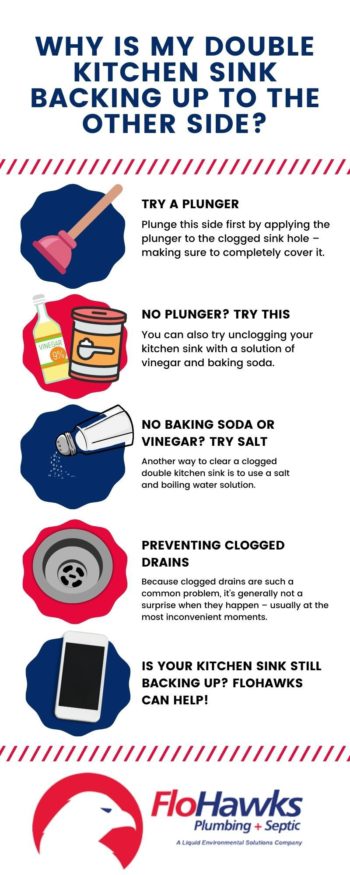
Using a plunger helps clear a backed-up kitchen sink effectively. Ensure the sink has enough water to cover the plunger’s rubber cup. Firmly push and pull the plunger to create suction and dislodge the clog.
Choosing The Right Plunger
Picking the correct plunger helps clear clogs. A cup plunger works best for sinks. It has a flat edge. This edge seals tightly around the drain. Rubber material is important. It should be soft, not stiff. Soft rubber makes a better seal. A sturdy handle is key. It gives strong grip when plunging.
Proper Plunging Technique
Fill the sink with some water. This helps the plunger work well. Water should cover the plunger’s cup. Place the plunger over the drain. Push down firmly. Pull up quickly. Repeat several times. Keep the cup sealed. Strong movements clear the clog. Listen for water draining away. If it drains, the clog is gone.
Clearing The Trap
Find the P-Trap under your sink. It’s the U-shaped pipe. Place a bucket under the trap. This catches the water. Loosen the nuts on both ends. Use a wrench if needed. Twist slowly to avoid damage. Remove the trap carefully. Check for clogs inside. Use a wire or brush to clear. Keep the area clean.
Wash the P-Trap thoroughly. Use soap and water for best results. Ensure no debris remains inside. Inspect the washers for wear. Replace if they look worn. Reattach the trap securely. Tighten the nuts properly. Test for leaks by running water. Check connections carefully. Ensure everything is tight. Clean up any spills from the area.
Using Baking Soda And Vinegar
First, gather baking soda and vinegar from your kitchen. Measure out one cup of baking soda. Then, measure one cup of vinegar. These are simple and safe ingredients. Baking soda helps break down the clog. Vinegar adds fizz to help clear it out.
Pour the baking soda down the sink. Slowly add the vinegar after. Bubbles will start to form. These bubbles help loosen the clog. Wait for about 15 minutes. The mixture needs this time to work. After waiting, flush the sink with hot water. This helps move the clog along. Repeat if necessary for stubborn clogs.

Credit: www.youtube.com
Snake The Drain
Snake the Drain can effectively clear a backed-up kitchen sink. Insert a plumber’s snake into the drain, twisting and pushing to dislodge debris. This tool helps remove blockages that a plunger or chemical cleaner cannot tackle.
Selecting The Right Drain Snake
Choosing a drain snake is crucial. Manual snakes are simple and cheap. Electric snakes are powerful and fast. Size matters; pick a snake that fits your drain. Ensure the snake is flexible for turning corners. Length should reach the clog. A good handle is important for grip. Check reviews for quality and reliability.
Step-by-step Snaking
- Insert the snake into the drain slowly.
- Turn the handle to push through the clog.
- If stuck, pull back and try again.
- Once clear, remove the snake carefully.
- Run water to test the drain.
Chemical Drain Cleaners
Chemical drain cleaners can effectively clear a backed-up kitchen sink. They dissolve grease and food particles quickly. Always follow safety instructions when using these powerful cleaners.
Safety Precautions
Always wear gloves and safety goggles. Keep children and pets away. Never mix different cleaners; it can be dangerous. Use chemicals in a well-ventilated area. Avoid inhaling fumes. Follow instructions on the bottle carefully. Wash hands after use. Store cleaners safely, away from food. Dispose of empty containers properly.
Application Guidelines
Read the label before use. Pour the recommended amount into the sink. Wait for the time suggested. Flush with warm water after waiting. Repeat process if the sink is still clogged. Do not use too much cleaner; it can damage pipes. Use only on sinks, not toilets or bathtubs. Call a plumber if the problem persists.

Credit: www.drano.com
Preventive Measures
Routine cleaning helps prevent kitchen sink backups. Avoid pouring grease or food scraps down the drain. Use a drain strainer to catch debris and regularly flush the pipes with hot water.
Regular Maintenance
Clean the sink weekly to prevent clogs. Use a simple mix of baking sodaand vinegar. Pour half a cup of baking soda down the drain. Follow with a cup of vinegar. Wait for it to fizz. Rinse with hot water after ten minutes. This keeps pipes clear and fresh.
Avoiding Common Mistakes
- Don’t pour grease or oil down the drain.
- Avoid putting coffee grounds in the sink.
- Use a drain strainer to catch food bits.
- Never flush non-food items down the drain.
- Run cold water when using garbage disposals.
These steps help in keeping your sink clog-free.
Frequently Asked Questions
How To Unclog A Kitchen Sink Naturally?
To unclog a kitchen sink naturally, try using baking soda and vinegar. Pour half a cup of baking soda followed by half a cup of vinegar into the drain. Let it sit for 15 minutes, then flush with hot water.
This method can effectively break down minor clogs without harsh chemicals.
What Causes A Kitchen Sink To Back Up?
A kitchen sink can back up due to food particles, grease, or soap buildup. These materials accumulate over time, obstructing water flow. Additionally, foreign objects like utensils or dishware fragments can cause blockages. Regular cleaning and mindful disposal of waste can help prevent these issues.
Can Boiling Water Help Unclog A Sink?
Yes, boiling water can help unclog a sink by dissolving minor grease and soap buildups. Pour a kettle of boiling water directly into the drain. Repeat a few times if needed. This method is most effective for minor blockages and should be used cautiously with PVC pipes.
Are Chemical Drain Cleaners Safe For Kitchen Sinks?
Chemical drain cleaners can be effective but are not always safe for kitchen sinks. They contain harsh ingredients that can damage pipes over time. Additionally, they can be harmful to the environment and pose health risks. Consider trying natural methods or consulting a professional for persistent clogs.
Conclusion
Fixing a backed-up kitchen sink is simple with the right steps. Start with checking the garbage disposal. Clear any blockages in the pipes. Use a plunger for stubborn clogs. Baking soda and vinegar can help dissolve debris. Avoid pouring grease down the drain in the future.
Regular maintenance prevents clogs. Now, your kitchen sink should drain smoothly. Share these tips with friends. They might face similar issues. Keep your kitchen sink clean for stress-free cooking. Enjoy your kitchen without worry. Happy unclogging!