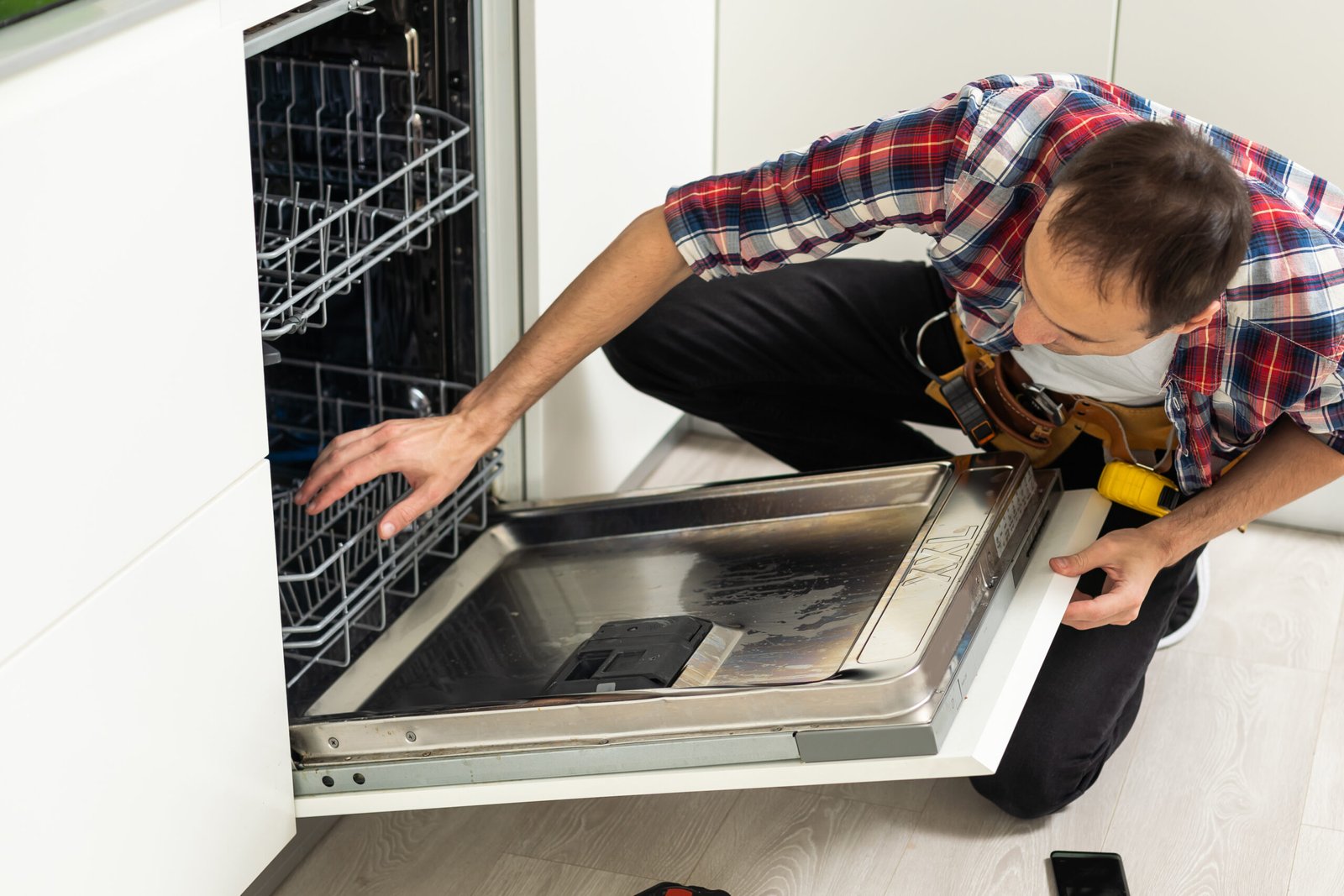
Is your KitchenAid dishwasher’s top sprayer not working? This can be frustrating, especially when you expect your dishes to come out spotless.
But don’t worry—you’re not alone, and fixing this issue might be easier than you think. In this guide, you’ll discover simple steps to get your top sprayer back in action. By the end, your dishwasher will be washing like new, saving you time and effort.
Keep reading to find out exactly what you need to do.
Common Causes Of Top Sprayer Issues
Clogged spray nozzlesstop water from spraying properly. Food bits or hard water deposits often block these holes. Cleaning nozzles regularly can keep water flowing well.
Blocked water supplymeans water cannot reach the top sprayer. Check the hose and valve for any kinks or blockages. Clear any debris to restore flow.
Faulty sprayer armcan cause uneven spraying or no spray at all. The arm might be stuck or broken. Make sure it spins freely and is not cracked.
Damaged or worn partsinside the sprayer can affect its work. Look for cracks, leaks, or worn seals. Replacing damaged parts often fixes the issue quickly.
Tools Needed For Repairs
Basic tools like a screwdriver, pliers, and a wrench help open the dishwasher and check the sprayer. A flashlight is useful to see inside tight spaces. Having a small brush can clean debris from parts easily.
Basic Hand Tools
- Screwdrivers:Phillips and flathead for removing panels.
- Pliers:Useful for gripping and twisting parts.
- Wrench:Helps in loosening and tightening nuts.
- Flashlight:To see inside dark spaces.
Cleaning Supplies
- Vinegar or mild detergent:For cleaning spray arms.
- Toothbrush or small brush:Removes debris from holes.
- Cloth or sponge:Wipes surfaces clean.
Replacement Parts
- New spray arm:If the old one is cracked or clogged.
- O-rings or seals:To prevent leaks around connections.
- Filter:Ensures clean water flow.
Step-by-step Cleaning Process
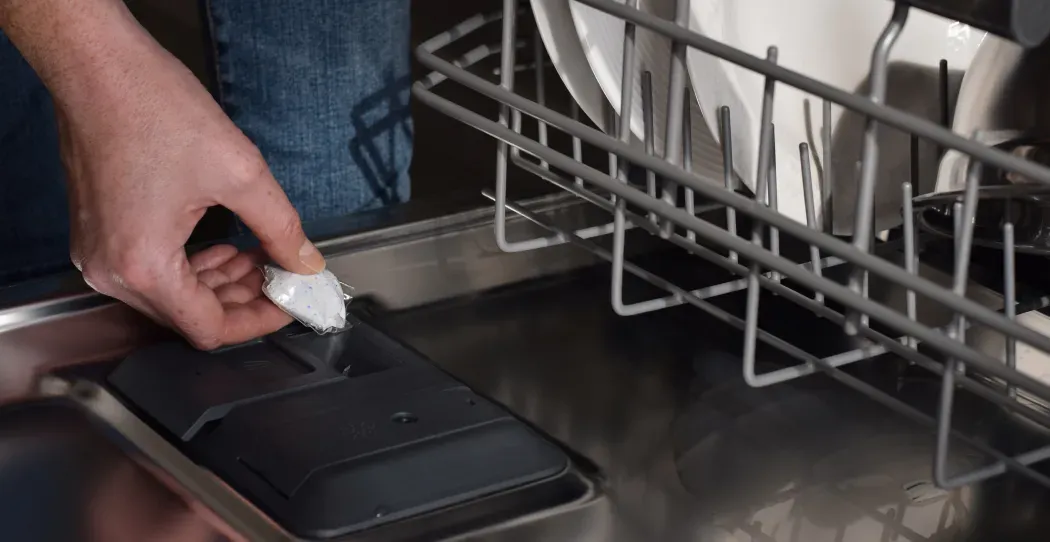
First, gently pull out the top sprayer from the dishwasher. It may twist or pull straight out depending on the model. Keep a firm grip to avoid dropping it.
Next, check the small holes or nozzles on the sprayer for any dirt or food bits. These blockages stop water from spraying properly. Use a toothpick or soft brush to clear the debris carefully.
Rinse the sprayer arm under warm water to wash away loosened dirt. Make sure water flows freely through all holes. This step helps remove grease and soap buildup that can clog the arm.
Once cleaned, align the sprayer back into its place. Push or twist it gently until it locks securely. Ensure it can spin freely for even water distribution during washing.
Credit: www.woodcocks.us
Checking The Water Supply
The water inlet valve opens to let water into the dishwasher. Make sure it is not blocked or damaged. If blocked, clean it carefully. Damaged valves might need replacing. A working valve is key for proper water flow.
Water pressure must be strong for the dishwasher to work well. Low pressure might mean the sprayer won’t spin. Use a pressure gauge to check it. Ideal pressure is between 20-120 psi. Adjust if needed to ensure strong water flow.
Hoses should be tightly connected. Loose hoses can leak or stop water flow. Check if hoses are twisted or kinked. Straighten them for smooth water passage. Tighten all connections securely. This helps the sprayer work properly.
Replacing Damaged Components
Check the top sprayer armfor cracks, holes, or blockages. Look for broken nozzlesor parts that do not spin freely. Listen for unusual noises when the dishwasher runs, indicating a faulty component.
Order replacement parts that match your Kitchenaid dishwasher model. Use the model number found on the door frame or manual. Buying the exact parts ensures proper fit and function.
- Turn off power and water supply.
- Remove the dishwasher racks to access the top sprayer arm.
- Unscrew or unclip the damaged sprayer arm carefully.
- Install the new sprayer arm by reversing the removal steps.
- Make sure the arm spins freely after installation.

Credit: www.youtube.com
Preventive Maintenance Tips
Keep a regular cleaning scheduleto stop dirt build-up. Clean the filter and spray arms often. This helps water flow well and stops blockages.
Use a dishwasher cleaneronce a month. It removes grease and minerals inside the machine. This keeps the sprayer working smoothly.
| Tip | Why It Helps |
|---|---|
| Use a water softener | Prevents hard water stains and buildup inside parts |
| Check water hardness level | Helps decide if you need special cleaning or softeners |
| Wipe spray arms dry | Stops mineral deposits from hard water |
When To Call A Professional
Complex mechanical issues like broken spray arms or pump failures need expert help. These parts are hard to fix without special tools and knowledge.
Electrical problems such as faulty wiring or control board issues require professional diagnosis. Handling electrical parts without experience can be unsafe.
Check your warranty before attempting repairs. Many Kitchenaid dishwashers have service support that covers repairs or part replacements.
- Broken or stuck top sprayer arm
- Pump or motor malfunction
- Electrical faults or control board errors
- Dishwasher still under warranty
- Uncertain about repair steps

Credit: www.youtube.com
Frequently Asked Questions
Why Is My Kitchenaid Dishwasher Top Sprayer Not Working?
The top sprayer may be clogged, blocked, or have low water pressure. Check for debris or damaged parts. Clean or replace the sprayer if needed. Ensure the water supply is sufficient for proper spray operation.
How Do I Clean The Top Sprayer On Kitchenaid Dishwasher?
Remove the top sprayer carefully and soak it in warm, soapy water. Use a soft brush to clear clogged holes. Rinse thoroughly before reinstalling. Regular cleaning prevents blockages and improves spray performance.
Can A Faulty Water Inlet Valve Cause Sprayer Issues?
Yes, a malfunctioning water inlet valve can reduce water flow. This affects the sprayer’s ability to work properly. Test the valve and replace it if it’s defective to restore normal spray function.
What Should I Check If The Top Sprayer Spins But Sprays Weakly?
Inspect for mineral buildup or debris blocking the spray holes. Also, verify the dishwasher’s water pressure. Clean or replace the sprayer arm to ensure strong, even water distribution.
Conclusion
Fixing the top sprayer on your Kitchenaid dishwasher can be simple. Check for blockages and clean the spray arms carefully. Make sure the water supply is steady and the parts fit well. Regular maintenance helps avoid future problems. Taking small steps can save time and money.
Enjoy cleaner dishes with a working sprayer. Keep your dishwasher in good shape for best results. Simple actions lead to big improvements in washing performance.