Are you tired of that old, leaky kitchen faucet that seems to have a mind of its own? Maybe you’ve just decided it’s time for a fresh look in your kitchen.
Whatever your reason, installing a new kitchen faucet is a fantastic way to upgrade your space. The best part? You can do it yourself without needing to call in a professional. That’s right—no plumbing degree required! Imagine the satisfaction of turning on your faucet, knowing you installed it with your own hands.
In this guide, we’re going to walk you through each step of the process, making it as simple and stress-free as possible. You’ll find that it’s not just about practicality; it’s about transforming your kitchen into a place that reflects your style and meets your needs. With the right tools and a bit of patience, you’ll soon have a shiny new faucet that not only looks great but works perfectly. Ready to get started? Let’s dive in and discover how you can install a kitchen faucet like a pro!

Credit: www.youtube.com
Tools And Materials Needed
A successful faucet installation requires specific tools. Ensure you have a wrench. A pair of pliers is crucial too. Have a screwdriver on hand. A basin wrench is very helpful. Gather plumber’s tape for sealing. Don’t forget the new faucet. You need a bucket for water collection.
Organize all materials before starting. Keep tools within easy reach. This saves time and effort. Check for leaks after installation. Use plumber’s tape to fix leaks. Proper preparation makes installation smooth.
| Tool | Purpose |
|---|---|
| Wrench | Tighten connections |
| Pliers | Grip and twist components |
| Screwdriver | Remove screws |
| Basin wrench | Reach tight spaces |
| Plumber’s tape | Seal leaks |
Choosing The Right Faucet
Faucets come in various types. Single-handle faucets have one lever. It controls both hot and cold water. Two-handle faucets have separate knobs. Each knob controls either hot or cold water. Pull-down faucets have a spray head. The head can be pulled down for easier use. Touchless faucets use sensors. They turn on without touching. Wall-mounted faucets attach to the wall. They save counter space.
Style is important for your kitchen. Modern faucets have sleek lines. They look clean and simple. Traditional faucets have more details. They can be elegant. Transitional faucets mix styles. They fit many kitchens. Function matters too. Choose a faucet that suits your needs. Make sure it matches your kitchen decor.
Preparing The Workspace
Before starting, make sure to clear the kitchen sinkarea. Remove any dishes or items nearby. This helps in avoiding any mess. Ensure the workspace is tidy. A clean space makes work easier. It helps you focus on the task.
Collect all the tools you need. You’ll need a wrenchand a screwdriver. Bring a towel to clean spills. Get a small bucket for water drips. Have your new faucetready. Keep all supplies within reach. It saves time and effort. Being prepared makes installation smoother.

Credit: www.youtube.com
Removing The Old Faucet
First, find the water valves under the sink. Turn the knobs to the right. This will stop the water flow. Test the faucet to make sure no water comes out. Double-check both hot and cold water lines.
Use a wrench to loosen the nuts on the water lines. Place a bucket under the sink to catch any drips. Carefully pull the hoses away from the faucet. Keep the hoses safe for later use.
Use a screwdriver to remove screws holding the faucet. Gently lift the faucet out of its place. Clean the area where the old faucet sat. Remove any remaining dirt or sealant.
Installing The New Faucet
Installing a kitchen faucet can be straightforward. First, gather necessary tools like a wrench and plumber’s tape. Disconnect the old faucet, ensuring water supply is off. Align the new faucet, secure it in place, and reconnect water lines. Check for leaks.
Enjoy a refreshed kitchen look.
Positioning The Faucet
Place the faucet into the sink hole. Ensure it’s centered correctly. The faucet should face forward. Check for a snug fit. Adjust if needed to align perfectly.Securing The Mounting Hardware
Tighten the mounting nuts under the sink. Use a wrench for a firm grip. The nuts hold the faucet in place. Check the faucet stability. It should not wobble. Tighten more if necessary.Connecting Water Supply Lines
Attach the water lines to the faucet. Use the hot and cold inlets properly. Hand-tighten the nuts. Use a wrench for a secure fit. Ensure no leaks by checking connections. Turn on the water to test. `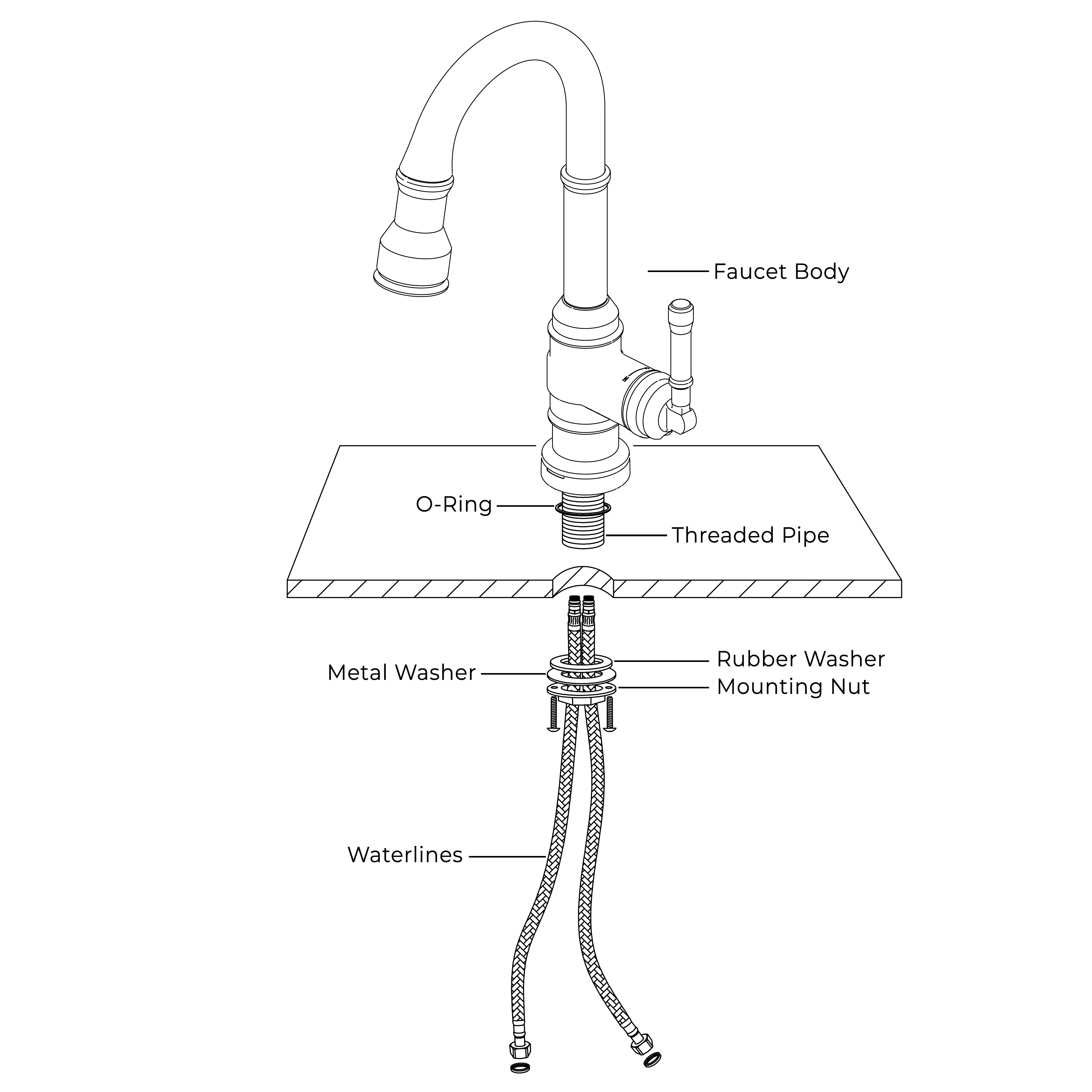
Credit: www.fontanashowers.com
Testing For Leaks
Testing for leaks ensures a proper kitchen faucet installation. Turn on the water and check for drips. Tighten connections if needed to prevent water waste.
Turning On Water Supply
Turn the water supply valves to the open position. This lets water flow. Watch closely for any drips or moisture. Look under the sink and around the faucet. Water should stay within pipes and not leak out. If you see water, tighten the connections. Make sure everything is snug. A small leak now can be big later.
Checking All Connections
Inspect every connection carefully. Use a flashlight to see better. Check the hoses and fittings. Feel with your fingers for wet spots. Tighten loose parts with a wrench. If leaks persist, consider using plumber’s tape. This can help seal small gaps. Ensure no water drips anywhere. Your kitchen should stay dry and safe.
Finishing Touches
Ensure faucet alignment by positioning it correctly over the sink. Secure the faucet using mounting hardware provided. Connect water supply lines tightly to avoid leaks.
Sealing Around The Faucet
Use a silicone sealant for a tight fit. Apply it around the base. This prevents water leaks and damage. Make sure the sealant covers all edges. Let it dry for a few hours. Check for gaps and fill them if needed. A good seal keeps the faucet secure.
Adjusting Water Flow And Temperature
- Turn on the faucet and check flow.
- Adjust the valves below the sink.
- Find the right balance for hot and cold.
- Test the temperature with your hand.
- Make sure it’s not too hot or cold.
- Repeat if the flow is uneven.
- Ensure smooth operation of the handle.
Troubleshooting Common Issues
Tighten connections to stop leaks under the sink. Align the faucet correctly to ensure smooth operation. Check for clogged aerators if water flow is restricted.
Low Water Pressure
Check the aerator on your faucet. It can get clogged. Unscrew it from the tap. Rinse it under water. If it still doesn’t work, check the valve. The valve might not be open fully. Turn it counterclockwise to open completely. Clean any debris you find in the valve. Low pressure can also be due to pipe issues. Call a plumber if the problem stays.
Leaks And Drips
First, turn off the water supply. Remove the faucet handle. Tighten the nut under the handle. Replace any worn washers or seals. Drips can waste a lot of water. Check the cartridge. It might need replacing. Use a wrench to remove it. Take it to a store for a new one. Reassemble everything carefully. Turn the water supply back on. Test for leaks again.
Maintenance Tips
Installing a kitchen faucet involves a few simple steps. Begin by turning off the water supply. Remove the old faucet and clean the area. Place the new faucet and tighten the nuts. Connect the water lines and test for leaks.
Ensure all connections are secure for smooth operation.
Cleaning The Faucet
Use a soft cloth for cleaning. Avoid harsh chemicals as they can damage the finish. Wipe the faucet every week to keep it shiny. Check for water spots and clean them quickly. Use vinegar for stubborn stains. It is gentle and effective. Ensure the faucet is dry after cleaning. This prevents water spots. Regular cleaning keeps the faucet looking new.
Regular Inspections
Inspect the faucet for leaks. Leaks can waste water. Check the connections and hoses. Look for rust or damage. Examine the handles for smooth movement. Tighten loose parts carefully. Listen for any unusual sounds. Watch for drips after use. Early detection saves repairs. Keep an eye on water flow. Slow flow may indicate blockages. Regular checks prolong faucet life.
Frequently Asked Questions
How Do I Prepare For Faucet Installation?
Before installing, turn off the water supply to the sink. Gather all necessary tools, including a basin wrench, adjustable wrench, and plumber’s tape. Remove the old faucet carefully, cleaning the sink area thoroughly. Ensure you have the new faucet’s instructions and parts ready for a smooth installation process.
What Tools Are Needed To Install A Kitchen Faucet?
To install a kitchen faucet, you need a basin wrench, adjustable wrench, and plumber’s tape. A screwdriver might also be required for some models. These tools help in removing the old faucet and securing the new one, ensuring a leak-free installation.
Can I Install A Faucet Without A Plumber?
Yes, you can install a faucet without a plumber. With the right tools and instructions, it’s a manageable DIY project. Follow the manufacturer’s instructions carefully, and ensure all connections are tight to prevent leaks. If unsure, consult online tutorials or guides for additional help.
How Long Does Faucet Installation Take?
Faucet installation typically takes about one to two hours. The time depends on your experience and the faucet type. Gathering tools and reading instructions beforehand can speed up the process. Ensure you allocate enough time for careful installation to avoid mistakes.
Conclusion
Installing a kitchen faucet can feel daunting at first. Yet, with patience and some simple steps, you can succeed. Remember, preparation is crucial. Gather all tools before starting. Read instructions carefully and follow each step. Keep safety in mind while working.
If unsure, seek help from a friend or professional. A new faucet can transform your kitchen’s look. Enjoy the fresh style and improved functionality. You did it! Celebrate your achievement and enjoy your new kitchen faucet. Happy cooking and cleaning in your refreshed space!