Your kitchen sponge works hard every day, but it can quickly develop an unpleasant smell that’s hard to ignore. If you’ve ever wondered why your sponge smells bad and how to stop it, you’re not alone.
The good news is, keeping your sponge fresh and odor-free is easier than you think. You’ll discover simple, effective tips that help you maintain a clean sponge and a fresher kitchen. Ready to say goodbye to that nasty smell for good?
Keep reading to find out how.
Causes Of Sponge Odor
Bacteria growthis the main cause of sponge odor. Sponges hold many germs from food and dishes. These germs multiply fast in warm, wet places. The more bacteria, the worse the smell.
Food residueleft in the sponge feeds bacteria. Tiny bits of food stay trapped inside. This helps germs grow and produce bad smells.
Moisture retentionmakes sponges a perfect home for bacteria. Sponges keep water after use. The wet environment lets bacteria thrive and causes odors.

Credit: currently.att.yahoo.com
Daily Sponge Care
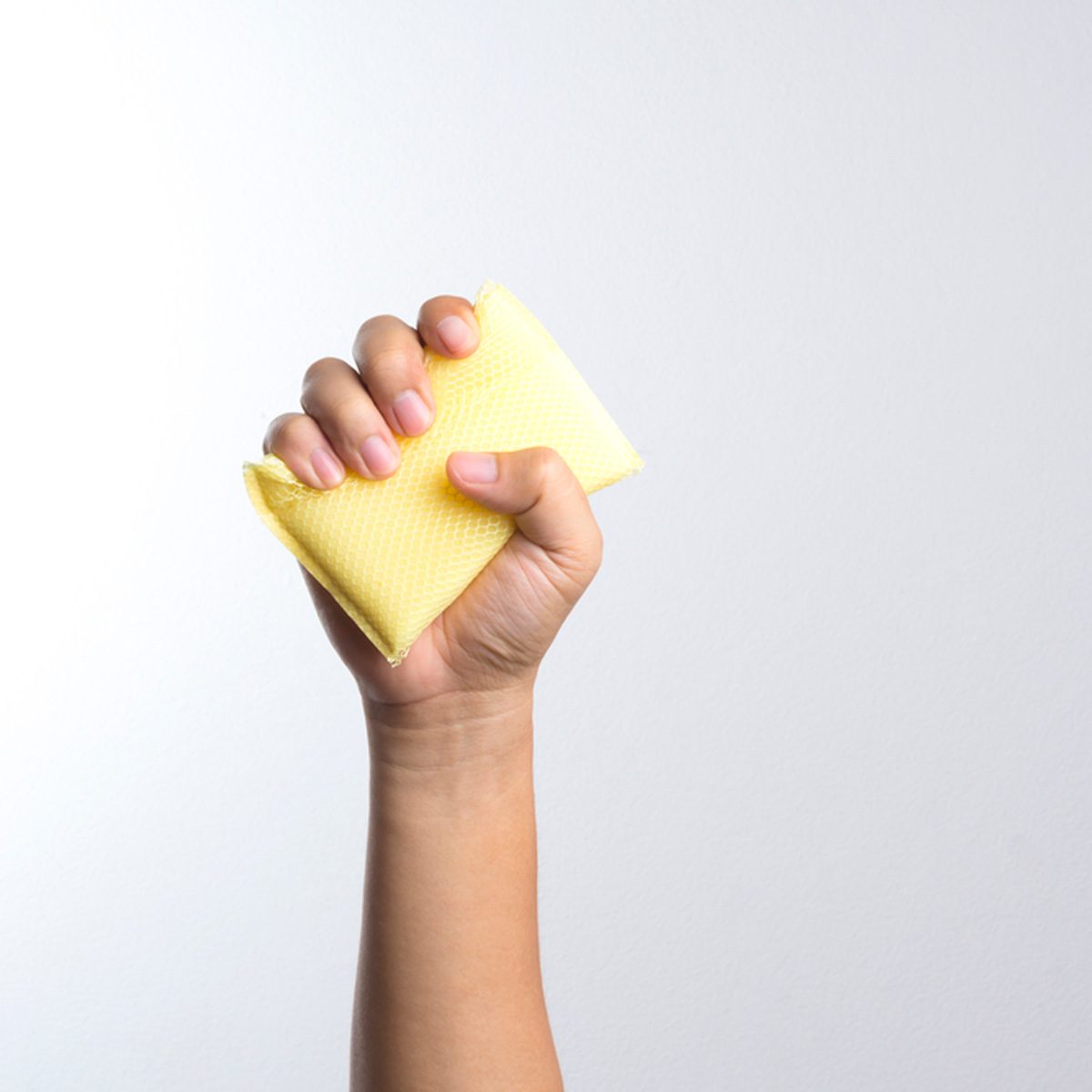
Rinsing and squeezingyour sponge after each use removes food bits and soap. Hold it under warm running water. Squeeze out as much water as possible to stop germs growing. Avoid leaving the sponge wet in the sink or on a countertop.
Proper drying techniqueshelp keep the sponge fresh. Place it somewhere it can air dry quickly, like a sponge holder or a rack. Avoid closed containers or drawers that trap moisture. Drying stops bacteria and bad smells from forming.
- Avoiding cross-contaminationmeans using different sponges for dishes, counters, and raw foods.
- Do not share sponges between different kitchen tasks.
- Replace sponges regularly to keep your kitchen clean and safe.
Cleaning Methods
Microwave sanitizingkills germs fast. Wet the sponge well and heat it in the microwave for one to two minutes. Be careful when removing it; it will be hot. This method helps reduce odors caused by bacteria.
Dishwasher cleaninguses heat and soap to clean sponges. Place the sponge on the top rack and run a full cycle. This is easy and keeps the sponge fresh.
Bleach soakremoves strong smells and kills germs. Mix one part bleach with nine parts water. Soak the sponge for five minutes, then rinse well. Use this method once a week for best results.
Vinegar and baking sodamake a natural cleaner. Soak the sponge in vinegar for five minutes. Sprinkle baking soda on the sponge and scrub. Rinse with warm water. This method helps fight bad odors safely.
Credit: www.familyhandyman.com
Choosing The Right Sponge
Choosing the right sponge helps keep your kitchen fresh and clean. Different material typesoffer various benefits. Natural sponges absorb water well but dry slowly, causing bad smells. Synthetic sponges dry faster and resist odors better. Foam sponges are soft but can trap bacteria.
Antimicrobial optionscontain special agents that stop bacteria growth. These sponges stay fresher longer and reduce bad smells. They are a smart choice for busy kitchens.
Reusable alternativeslike silicone sponges do not absorb water or food. They dry quickly and are easy to clean. These sponges last a long time and help avoid odors.
Sponge Replacement Tips
Signs to Replace:A sponge that smells bad or feels slimy needs replacing. If pieces start falling off or it looks worn out, it is time for a new one. A sponge with dark spots or mold must be thrown away immediately.
Replacement Frequency:Change kitchen sponges at least every two weeks. In busy kitchens, replace sponges more often to avoid bacteria build-up. Using fresh sponges helps keep your kitchen cleaner and safer.
| Type of Sponge | Suggested Replacement Time | Reason |
|---|---|---|
| Regular kitchen sponge | Every 1-2 weeks | Prevents bacteria and odors |
| Heavy-duty sponge | Every 2-3 weeks | Lasts longer but can trap dirt |
| Antibacterial sponge | Every 2 weeks | Still needs replacing to avoid germs |
Eco-Friendly Disposal:Cut sponges into small pieces before disposal. Compost natural sponges if possible. Avoid throwing sponges in the trash without breaking them down first. Look for recycling programs in your area for sponge disposal.

Credit: currently.att.yahoo.com
Frequently Asked Questions
How Often Should I Replace My Kitchen Sponge?
Replace your kitchen sponge every 1 to 2 weeks. Frequent replacement prevents bacteria buildup and unpleasant odors. Regularly cleaning the sponge can extend its life but does not replace the need for timely replacement.
What Is The Best Way To Clean A Kitchen Sponge?
Microwave the damp sponge for 1-2 minutes or soak in vinegar. Both methods kill bacteria effectively. Always ensure the sponge is wet before microwaving to avoid fire hazards.
Can I Use Bleach To Disinfect My Kitchen Sponge?
Yes, soak the sponge in a bleach solution (1 tablespoon bleach per gallon water) for 5 minutes. Rinse thoroughly afterward. Bleach kills most bacteria and helps keep the sponge odor-free.
Why Does My Kitchen Sponge Smell Bad Quickly?
Bad odors come from bacteria and food particles trapped inside. Moisture and warmth promote bacterial growth. Regular cleaning and drying help prevent smells and keep the sponge fresh.
Conclusion
Keeping your kitchen sponge fresh is simple with regular care. Rinse it well after each use and squeeze out water. Let it dry completely in a sunny spot or a well-ventilated area. Clean it often by microwaving or soaking in vinegar or bleach.
Replace your sponge every few weeks to avoid bad smells. Small habits make a big difference for a clean, odor-free kitchen. A fresh sponge helps keep your dishes and counters safe and clean. Try these easy tips and enjoy a fresher kitchen every day.