Is your kitchen sink drain clogged or draining slowly? It can be frustrating when water just won’t flow like it should, especially when you need to get things done quickly.
But don’t worry—you don’t have to call a plumber right away or spend a lot of money. You can fix your kitchen sink drain yourself with a few simple steps. You’ll learn easy, effective ways to clear blockages and get your sink working smoothly again.
Keep reading, and you’ll be surprised at how quickly you can solve this common problem.

Credit: www.youtube.com
Common Drain Issues
Clogs and blockageshappen when food, grease, or hair build up inside the drain. This stops water from flowing freely. Using a plunger or a drain snake can often clear these clogs quickly. Avoid pouring grease down the sink to prevent blockages.
Slow drainagecan occur if the pipes are partially blocked or if the vent pipes are clogged. It causes water to pool in the sink. Pouring hot water or a mild drain cleaner may help speed up the flow.
Leaks and dripsusually come from loose connections or worn-out washers under the sink. Checking and tightening fittings can stop leaks. Replacing old washers or seals is often necessary to fix drips.
Tools And Materials Needed
Basic plumbing tools help fix most kitchen sink drain problems. A wrenchand pliersloosen and tighten pipes. A pipe wrenchis useful for bigger pipes. A screwdriverhelps remove or tighten screws in the drain assembly.
Cleaning supplies keep the area clear and safe. Use a bucketto catch water. Ragsclean spills. Glovesprotect your hands from dirt and sharp edges. A brushhelps scrub away grime.
Replacement parts might be needed if parts are broken or worn out. Common parts include pipe washers, gaskets, drain traps, and pipe sections. Having these ready saves time during repair.
Preparing The Area
Clear the space under the sink to work easily. Remove boxes, cleaning supplies, or anything in the way. This gives you room to move and prevents accidents.
Turn off the water supply valves under the sink. This stops water from flowing while fixing the drain. Double-check by turning on the faucet to see no water comes out.
Gather tools before starting. Common tools include:
- Adjustable wrench
- Screwdriver
- Bucket to catch water
- Plumber’s tape
- Rags for cleaning spills
Having everything ready saves time and avoids frustration.
Clearing A Clogged Drain
A plunger is useful for clearing minor blockages. Place it over the drain and push down firmly. Pull up quickly to create suction. Repeat several times to loosen the clog. Make sure there is enough water to cover the plunger’s cup for better suction.
A drain snake can reach deep clogs. Insert the snake into the drain and twist it slowly. Push further until you feel resistance. Pull out debris or hair caught in the snake. Clean the snake after use to keep it ready for next time.
Natural cleaning solutions help avoid harsh chemicals. Mix baking soda and vinegar, then pour it down the drain. Let it sit for 15 minutes. Flush the drain with hot water to clear loosened debris. This method works well for light clogs and maintenance.
Fixing Leaks And Tightening Connections
Leaks often happen at pipe jointsor where pipes meet the sink. Check for wet spotsor water dripping. Common leak points include the washerand seal areas. These parts can wear out or crack over time.
Replacing washers and seals can stop leaks. Use a wrench to loosen the pipe connections gently. Remove the old washer or seal and replace it with a new one of the same size. Make sure the new parts fit well to avoid leaks.
Securing pipe joints tightly helps prevent water from escaping. Tighten connections using a wrench but do not over-tighten. Over-tightening can damage the pipes or seals. Check if the pipes line up correctly before tightening.

Credit: www.magnushomeproducts.com
Replacing The Drain Assembly
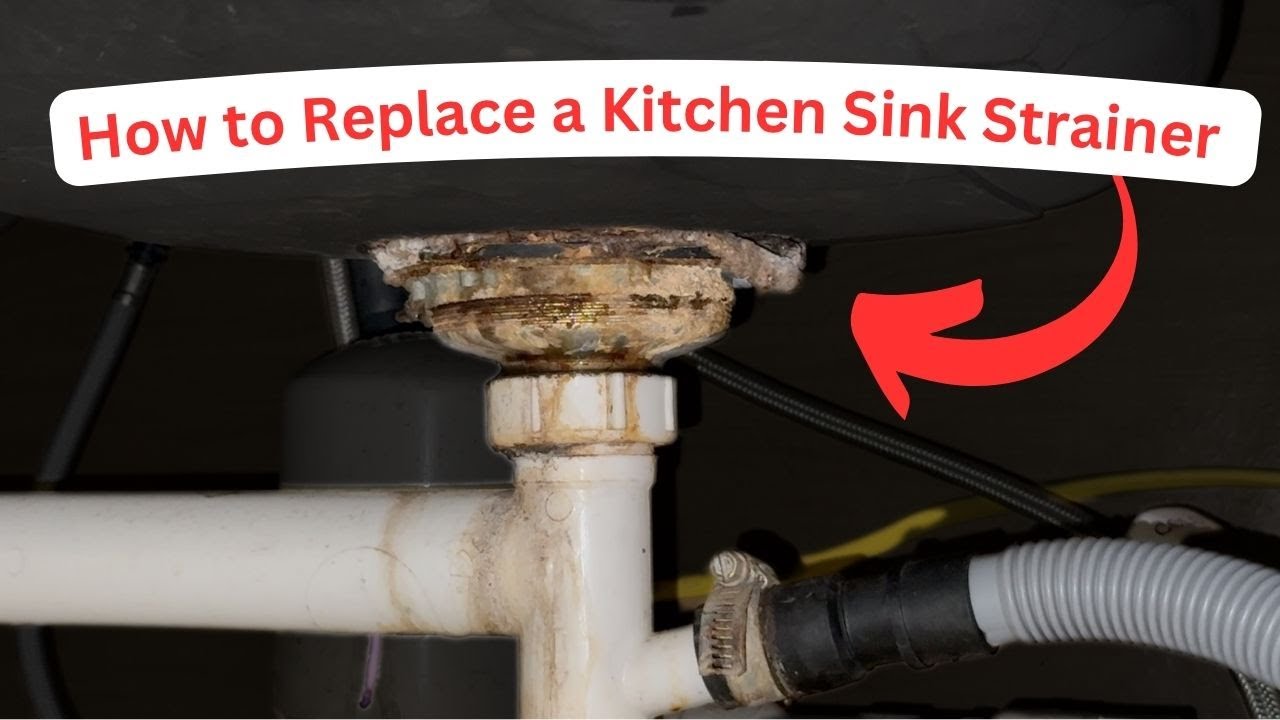
Replacing the drain assembly can stop leaks and improve water flow. Remove the old assembly, then install the new one securely. Ensure all connections are tight to prevent future issues.
Use a wrench to unscrew the nut under the sink. This releases the old drain flange. Take out the rubber gasket and metal washer. Clean the area well with a cloth. Remove any old plumber’s putty from the sink hole. Make sure there is no dirt or residue left behind. Place new plumber’s putty around the new drain flange. Insert the flange into the sink hole. Fit the rubber gasket and metal washer underneath. Tighten the nut with a wrench until secure. Ensure all parts are aligned and tight. Run water to check the new drain. Look for any leaks under the sink. Ensure water flows smoothly without pooling. Tighten connections if leaks are found. Make adjustments as needed for proper drainage. `Preventive Maintenance Tips
Keeping your kitchen sink drain clean helps stop clogs and bad smells. Use a drain strainer to catch food bits. Pour hot water down the drain once a week. This clears away grease and soap build-up. Avoid putting grease, coffee grounds, or eggshells down the drain. These can block pipes over time.
Check under the sink often for leaks or loose pipes. Tighten any loose parts to prevent water damage. Watch for slow drainage; this signals a clog forming. Clean the drain trap regularly to remove trapped debris.

Credit: www.youtube.com
Frequently Asked Questions
How Do I Unclog A Kitchen Sink Drain Quickly?
Use a plunger or a drain snake to clear minor clogs. Avoid harsh chemicals as they may damage pipes. For stubborn blockages, disassemble the trap and clean it manually to ensure a thorough fix.
What Tools Are Needed To Fix A Kitchen Sink Drain?
Basic tools include a plunger, pipe wrench, bucket, and drain snake. You may also need plumber’s tape and a screwdriver. Having these ready makes the repair process smooth and efficient.
Can I Fix A Leaking Kitchen Sink Drain Myself?
Yes, you can fix minor leaks by tightening connections or replacing worn gaskets. Turn off the water supply before starting. If leaks persist, consider consulting a professional plumber.
Why Is My Kitchen Sink Drain Draining Slowly?
Slow drainage often results from food debris, grease buildup, or trapped hair. Regular cleaning and using a drain strainer can prevent this. For persistent slow drains, use a drain snake to remove deeper blockages.
Conclusion
Fixing a kitchen sink drain can save time and money. Small clogs and leaks often have simple solutions. Use the right tools and take your time. Check for tight connections and clean any blockages. Regular care helps prevent future problems.
Don’t ignore slow drains or strange smells. A working drain keeps your kitchen clean and safe. Try these steps before calling a plumber. You can handle most drain issues with patience and care. Keep your sink running smoothly every day.