Is your kitchen sink clogged and water just won’t drain? It’s frustrating, messy, and can disrupt your whole day.
But before you call a plumber or reach for harsh chemicals, there’s a simple tool that can save you time and money: a plunger. You might think plungers are only for toilets, but they work wonders on kitchen sinks too.
In this guide, you’ll discover easy, step-by-step tips to unclog your sink quickly and effectively. Keep reading, and you’ll have your sink flowing smoothly again in no time.

Credit: www.popularmechanics.com
Tools Needed
The right plunger is key for unclogging a kitchen sink. A cup-shaped plungerworks best for flat surfaces like sinks. Avoid toilet plungers with a flange; they do not seal well on sinks.
Besides the plunger, some extra tools help make the job easier:
- Bucketto catch water spills.
- Rubber glovesto keep hands clean and safe.
- Old towelsto wipe up any mess.
- Drain snakeif the plunger does not fully clear the clog.
Having these supplies ready saves time and keeps the area tidy. A good seal between the plunger and sink opening is important for strong suction.

Credit: ca.style.yahoo.com
Preparing The Sink
Clear the area around the sink first. Remove any dishes, sponges, or clutter. This makes work easier and cleaner.
Check for any objects that might block the plunger. Take them out carefully.
Remove standing water from the sink. Use a small cup or bowl to scoop it out. Leaving some water helps the plunger work better.
Wipe the sink edges dry to get a good seal with the plunger. A tight seal is key for pressure to build up and clear the clog.
Using The Plunger
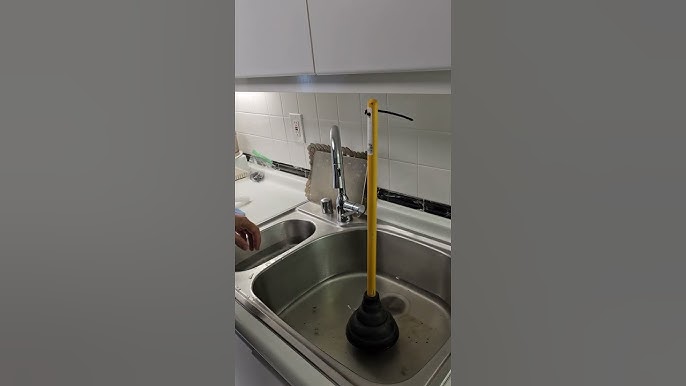
Place the plunger over the sink drain. Make sure the rubber cup covers the drain fully. This helps create a tight seal. Without a seal, air escapes and plunging won’t work well.
Fill the sink with enough water to cover the plunger cup halfway. Water helps push the cloginstead of air. Keep the plunger steady and press down firmly.
- Push the plunger down slowly at first.
- Pull up sharply without breaking the seal.
- Repeat this push and pull motion quickly.
- Do this for about 15 to 20 seconds.
Check if the water drains. If not, repeat the process. Patience is key. The clog may need multiple tries to clear.
Testing The Drain
Run water in the sink to see how fast it drains. A slow drain means a clog is likely present. If water pools or drains very slowly, the blockage needs attention.
Test the drain multiple times to confirm the issue. Sometimes debris can clear with just water flow.
- Turn on cold water and watch the flow.
- Check if water stays in the basin.
- Repeat running water after a few minutes.
These checks help know if plunging is necessary. Clear understanding avoids unnecessary work and damage.
Preventing Future Clogs
Keep your kitchen sink clog-free with simple habits. Clean the drain regularly using hot water. Pour boiling water down the drain once a week to melt grease. Use a drain strainer to catch food scraps and prevent blockages. Avoid pouring oil, coffee grounds, and eggshells down the sink. These can cause serious clogs.
Here are some things to never pourdown the drain:
- Grease and cooking oil
- Coffee grounds
- Eggshells
- Large food scraps
- Starchy foods like pasta or rice
- Chemicals like paint or bleach

Credit: www.drano.com
Frequently Asked Questions
How Do I Use A Plunger To Unclog A Kitchen Sink?
Place the plunger over the drain, ensuring a tight seal. Push down and pull up rapidly several times. Repeat until water drains freely, then flush with hot water to clear residue.
Can A Plunger Damage My Kitchen Sink Pipes?
No, using a plunger correctly won’t damage pipes. Avoid excessive force to prevent pipe strain. Plungers are safe for most standard kitchen sink plumbing.
What If The Plunger Doesn’t Unclog The Sink?
If plunging fails, try removing the trap to clear debris manually. Alternatively, use a drain snake or call a professional plumber for severe clogs.
How Often Should I Plunge My Kitchen Sink?
Plunge only when you notice slow drainage or blockage. Regular maintenance is unnecessary and may cause wear. Use plunging as a quick fix for clogs.
Conclusion
Using a plunger can clear most kitchen sink clogs quickly. Press down firmly and pull up to create suction. Repeat the motion several times until water drains well. Avoid harsh chemicals that may damage pipes. Regularly clean the sink to prevent future blockages.
Small efforts keep your sink flowing smoothly. Try this simple method before calling a plumber. Save time and money with a basic plunger technique. Keep your kitchen sink working without stress or mess.