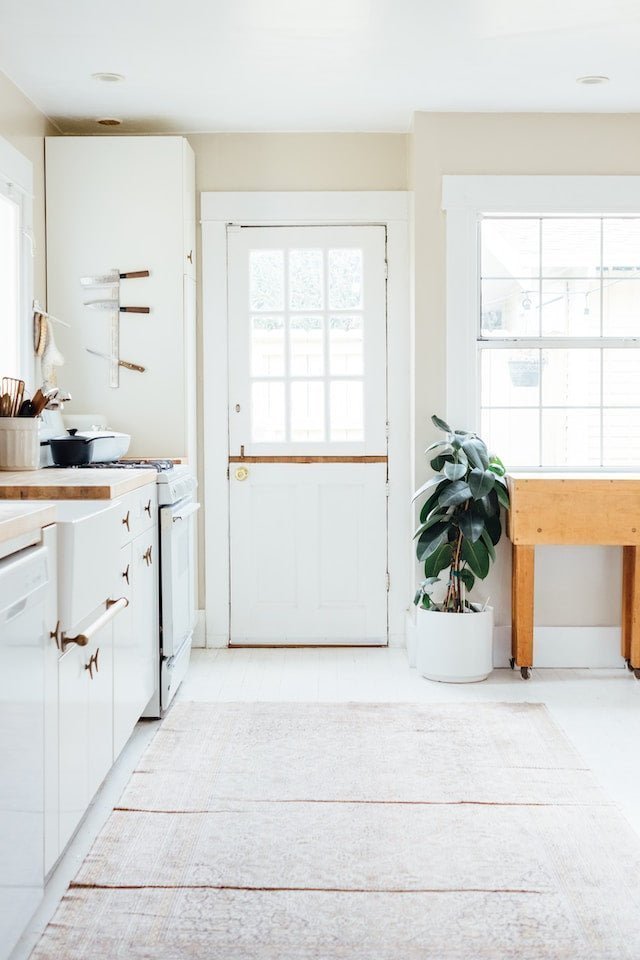
Choosing the right kitchen runner can completely change the look and feel of your space. But one question often trips people up: How long should your kitchen runner be?
If you’ve ever wondered whether your runner is too short, too long, or just right, you’re not alone. Getting the length right isn’t just about style—it affects comfort, safety, and how your kitchen flows. Keep reading, and you’ll discover simple tips to find the perfect fit that makes your kitchen both beautiful and functional.
Choosing The Right Length
Choosing the right kitchen runner length depends on several important factors. The runner should fit well in your kitchen space without blocking doors or cabinets. Consider the shape and sizeof your kitchen. Narrow kitchens usually need a runner that runs the length of the walkway. Wider kitchens may allow for a shorter or wider runner.
Think about where you will place the runner. It might go in front of the sink, stove, or along a walkway. The runner should cover the area where you stand the most. This helps protect the floor and adds comfort.
Measuring your kitchen space is key. Measure the total length of the area where you want to place the runner. Leave a few inches of space at each end for a balanced look. For example, if the space is 10 feet long, a runner around 8 feet works well.

Credit: directcarpet.com
Standard Kitchen Runner Sizes
Kitchen runners usually come in lengths of 6, 8, or 10 feet. These sizes fit most kitchens well. A 6-foot runner works great for small kitchens or shorter areas. An 8-foot runner suits average kitchens and provides enough coverage. For longer kitchens, 10-foot runners offer a good fit without too much extra fabric.
The runner’s widthalso matters. Narrow kitchens benefit from runners about 2 feet wide. Wider kitchens can handle runners up to 3 feet wide. The runner should not cover the entire floor but leave space on each side.
| Length (feet) | Best For |
|---|---|
| 6 | Small kitchens or short areas |
| 8 | Average kitchens |
| 10 | Long kitchens |
Runner Placement Tips
Place the runner close to cabinetsbut leave room to open doors easily. Avoid covering appliance doors to keep them functional. Keep the runner’s edges a few inches away from appliances like the oven or dishwasher.
Leave at least 18 to 24 inchesof open floor space for walking and moving. This space helps prevent tripping and allows doors to open fully. A runner should not block pathways or make the kitchen feel cramped.
- Keep runner edges clear of cabinet handles.
- Allow enough space for appliance doors to open.
- Maintain comfortable walking room beside the runner.
- Adjust runner length to fit kitchen layout and traffic flow.

Credit: directcarpet.com
Customizing Runner Length
Kitchen runners often come in standard sizes but may need customizingto fit perfectly. Trimming a runner is easy if it is too long. Use sharp scissors or a rotary cutter for a clean edge.
Some runners have a finished edge, so trimming too much might cause fraying. Consider using fabric glue or hemming tape to secure cut edges.
Custom sizes can be ordered for a perfect fit. Measure the kitchen area carefully before ordering. Provide exact length and width to the seller.
| When to Trim | When to Order Custom |
|---|---|
| Runner is slightly too long | Runner length is unusual or very specific |
| Edges are easy to finish | Material or pattern is hard to cut cleanly |
| Quick adjustment needed | Want a perfect professional look |
Style And Function Considerations
Choosing the right kitchen runner length is key for both styleand function. It should fit your kitchen space well, not too short or too long. A runner that ends just before cabinets or appliances keeps the area tidy and safe. This balance helps maintain a clean look while allowing easy movement.
Material choice affects durability and comfort. Runners made from natural fiberslike cotton or wool offer softness and warmth. Synthetic materials like nylon or polyester are easier to clean and resist stains better. Consider where you use the runner. High-traffic areas need tough, long-lasting fabrics.
| Material | Durability | Ease of Cleaning | Comfort |
|---|---|---|---|
| Cotton | Moderate | Moderate | Soft and warm |
| Wool | High | Moderate | Very soft |
| Nylon | High | Easy | Less soft |
| Polyester | High | Easy | Moderate |

Credit: www.runrug.com
Frequently Asked Questions
How Long Should A Kitchen Runner Be?
A kitchen runner should be about 2 to 4 feet shorter than your kitchen floor length. This length allows easy movement and protects high-traffic areas without overwhelming the space.
Can A Kitchen Runner Be Too Long?
Yes, a kitchen runner can be too long if it crowds the kitchen or becomes a tripping hazard. Choose a runner that fits your kitchen size and leaves space at both ends.
What Is The Ideal Width For A Kitchen Runner?
The ideal width for a kitchen runner is between 2 to 3 feet. This width fits well in most kitchens, providing comfort while allowing enough space to walk around.
Should A Kitchen Runner Cover The Entire Kitchen Floor?
No, a kitchen runner should not cover the entire floor. It is meant to protect key areas and add style, leaving enough exposed floor for a balanced look.
Conclusion
Choosing the right kitchen runner length makes a big difference. It should fit your space and needs. Too short feels awkward, too long can trip you. Measure your kitchen walkway before buying. Leave a few inches on each end for a neat look.
A well-sized runner adds comfort and style. It helps keep your floor clean too. Simple steps lead to a cozy kitchen space. Make sure your runner matches your kitchen’s shape and size. This way, it looks natural and works well.