Is your kitchen sink looking dull, scratched, or stained? You don’t have to replace it to give your kitchen a fresh, new look.
Refinishing your kitchen sink can save you time and money while making your space shine like new. You’ll discover simple, step-by-step tips to refinish your sink quickly and effectively. By the end, you’ll feel confident tackling this project yourself—and enjoy the satisfaction of a beautiful, refreshed kitchen.
Ready to transform your sink? Let’s get started!
Gather Necessary Tools
Gather all cleaning suppliesbefore starting. Use mild soap, a sponge, and clean cloths. These help remove dirt and grease.
Sanding materialsare needed to smooth the sink’s surface. Fine-grit sandpaper works best. It helps the new finish stick well.
Refinishing kitsusually include paint, primer, and brushes. Choose a kit made for kitchen sinks. Follow the instructions carefully for best results.

Credit: www.reddit.com
Prepare The Sink
Begin by removing all fixtures and accessoriesfrom the sink. This includes faucets, soap dispensers, and drain covers. Doing this helps access the entire surface.
Next, clean the sink thoroughly. Use a mild cleaner and warm water to remove dirt, grease, and stains. Rinse well and let it dry completely.
Once clean, sand the surfacewith fine-grit sandpaper. Sanding removes the old finish and creates a rough texture. This helps the new coating stick better. Wipe away dust with a damp cloth before moving on.
Apply Primer
Choose a primermade for sinks or glossy surfaces. It helps paint stick well. A water-based or bonding primer works best. Avoid using regular paint primers as they may peel.
Apply the primer in a thin, even layer. Use a foam brush or spray for smooth coverage. Avoid thick coats to prevent drips or bubbles. Let each coat dry completely before adding another.
| Type of Primer | Drying Time | Key Benefit |
|---|---|---|
| Water-based Primer | 30-60 minutes | Easy cleanup, low odor |
| Bonding Primer | 1-2 hours | Strong adhesion to slick surfaces |
Allow the primer to dry fully before painting. Drying times vary by brand and room temperature. Rushing this step can cause poor paint adhesion and peeling later.
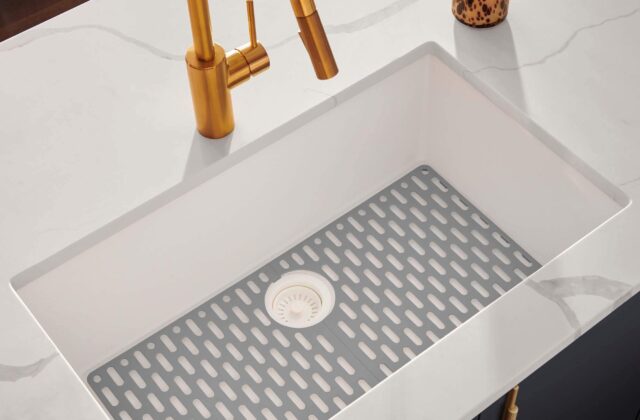
Credit: reglazingnyc.com
Paint The Sink
Select paint typesthat suit your kitchen sink material. Acrylic enamel and epoxy paints work best for metal sinks. For porcelain or ceramic sinks, use epoxy or appliance epoxy paint. Choose paint that is waterproofand heat resistant. This will make your finish last longer.
Applying even coatshelps avoid rough spots. Use a fine brush or small roller for smooth coverage. Apply thin layers and let each dry fully before adding the next. This prevents clumping and uneven color.
Prevent drips and bubblesby keeping a steady hand. Avoid overloading the brush or roller with paint. Work in small sections and use slow, light strokes. Keep the area well-ventilated to help the paint dry evenly. If bubbles appear, gently smooth them out before drying.
Seal And Protect
Sealantsprotect the kitchen sink from water damage and stains. Choose a sealant made for sinks. Apply it evenly with a brush or cloth. Let it dry as the label says. This keeps the surface strong and shiny.
The curing processis key. After sealing, do not use the sink for at least 24 hours. Avoid water, soap, or scrubbing during this time. This helps the sealant harden well and last longer.
- Clean the sink gently with mild soap and water.
- Do not use harsh chemicals or rough scrubbers.
- Dry the sink after each use to avoid water spots.
- Apply a new coat of sealant every 1-2 years for best protection.

Credit: refinishedbathsolutions.com
Troubleshoot Common Issues
Peelingoften happens when the sink surface is dirty or oily. Start by cleaningthe sink well with a mild detergent. Use sandpaperto remove loose paint and smooth the edges. Let it dry completely before applying any new finish.
For uneven surfaces, sand the sink gently. Focus on rough spots to make the surface flat. Use a fine-grit sandpaper to avoid scratches. Wipe the sink clean with a damp cloth to remove dust before refinishing.
Stainscan be tough. Use a paste of baking soda and water to scrub the stained area. Rinse with water and dry. For stubborn stains, try a gentle cleaner made for kitchen sinks. Avoid harsh chemicals that may damage the finish.
Frequently Asked Questions
How Long Does It Take To Refinish A Kitchen Sink?
Refinishing a kitchen sink typically takes 3 to 4 hours. This includes cleaning, sanding, applying primer, and paint. Drying time varies, usually around 24 hours for full curing. Proper ventilation speeds drying and ensures a durable finish.
What Materials Do I Need To Refinish My Kitchen Sink?
You need sandpaper, cleaning solution, primer, epoxy paint, painter’s tape, and gloves. A spray gun or paintbrush helps apply paint evenly. These materials ensure a smooth, long-lasting sink refinish.
Can I Refinish A Stainless Steel Sink Myself?
Yes, you can refinish a stainless steel sink yourself. Proper surface preparation and using epoxy paint are essential. Follow instructions carefully for best results. DIY refinishing saves money and refreshes your sink’s appearance.
How Often Should I Refinish My Kitchen Sink?
Refinishing is usually needed every 3 to 5 years. Frequency depends on wear, stains, and damage. Regular cleaning and maintenance extend the sink’s finish life. Refinishing restores beauty and protects the sink surface.
Conclusion
Refinishing your kitchen sink can breathe new life into your space. It’s a cost-effective way to update without a full remodel. You need patience and the right tools to succeed. Follow each step carefully for the best results. Clean thoroughly and ensure proper ventilation.
Sanding is crucial for smoothness. Apply primer and paint evenly. Let everything dry completely. A well-refinished sink enhances your kitchen’s look and feel. Plus, it prolongs the sink’s life. Enjoy your refreshed kitchen with minimal investment. Your efforts will surely pay off with a sparkling, renewed sink.