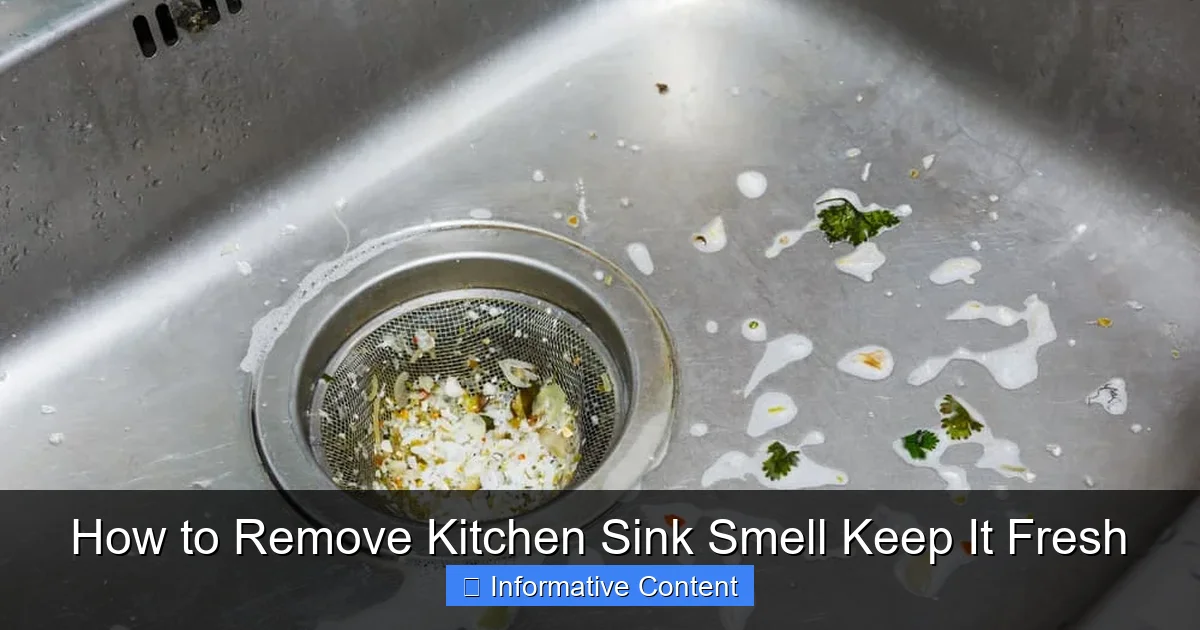
Featured image for how to remove smell from kitchen sink
Image source: mrkitchenfaucets.com
To effectively eliminate persistent kitchen sink odors and maintain freshness, start by thoroughly cleaning the drain, removing visible debris and flushing with hot water. Combat lingering smells by pouring a powerful combination of baking soda and white vinegar down the drain, allowing it to fizz and break down residue before rinsing. Consistent preventative measures, like regularly flushing and properly disposing of food waste, are crucial for long-term freshness.
There’s nothing quite like the smell of a clean kitchen. It’s a space where memories are made, meals are shared, and sometimes, unfortunate odors emerge. You walk into your kitchen, ready to start the day or wind down after dinner, and BAM! A foul, unwelcome aroma hits you. More often than not, the culprit is your kitchen sink. That persistent, unpleasant kitchen sink smell can turn even the most inviting kitchen into a place you’d rather avoid. It’s frustrating, embarrassing, and frankly, a bit unsettling when you’re trying to maintain a hygienic home.
I’ve been there. I’ve tried everything from endless scrubbing to pouring down harsh chemicals, all in an attempt to remove smell from kitchen sink and reclaim my kitchen’s freshness. The good news? You’re not alone, and this common household problem usually has a straightforward solution. Understanding *why* your sink smells is the first step toward getting rid of it for good. Often, it’s not a major plumbing issue but rather a buildup of everyday grime that’s easy to tackle with a few simple methods.
In this comprehensive guide, we’re going to dive deep into the causes of that notorious kitchen sink smell and equip you with practical, effective strategies to eliminate it. We’ll cover everything from quick DIY fixes to more thorough cleaning techniques, ensuring your sink stays fresh and clean. Think of me as your friendly guide, sharing tips and tricks from my own experiences to help you banish those nasty odors and keep your kitchen smelling lovely, just like it should.
Key Takeaways
- Clear Food Debris: Immediately remove any visible food particles from the drain.
- Degrease with Hot Water: Flush drains with boiling water regularly to dissolve grease.
- Natural Deodorizer: Combine baking soda and white vinegar to clean and deodorize.
- Clean P-Trap: Manually clean the P-trap to remove trapped sludge and odor.
- Maintain Disposal: Grind ice and citrus peels in your garbage disposal.
- Prevent Daily Buildup: Rinse thoroughly after use to prevent future smells.
- Check for Vent Issues: Address potential plumbing vent blockages if odors persist.
Quick Answers to Common Questions
What’s the fastest way to get rid of that nasty kitchen sink smell?
For a quick fix to remove smell from kitchen sink, pour a cup of baking soda down the drain, followed by a cup of white vinegar. Let it fizz for 15-30 minutes, then flush with hot water.
Why does my kitchen sink smell bad in the first place?
Often, lingering food particles, grease, and other debris get trapped in your drain or garbage disposal, decomposing and causing that unpleasant kitchen sink smell. Regular cleaning is key!
Beyond baking soda, what else can I use for a stubborn drain odor?
If baking soda and vinegar don’t quite cut it, try pouring a generous amount of boiling water down the drain to melt grease. Alternatively, an enzyme-based drain cleaner can help break down organic matter and remove smell from kitchen sink.
How can I prevent the kitchen sink smell from coming back?
To keep your sink fresh, regularly flush your drain with hot water, especially after using the garbage disposal. Avoid pouring grease down the drain and consider weekly baking soda and vinegar treatments to proactively remove smell from kitchen sink.
Could the smell be coming from something other than the drain itself?
Absolutely! Check your garbage disposal for stuck food, clean the overflow drain (the small hole near the top of the basin), and ensure your dishwasher drain hose isn’t backed up, as these can all contribute to a stubborn kitchen sink smell.
📑 Table of Contents
- Understanding the Culprit: Why Your Sink Smells
- First Line of Defense: Simple DIY Solutions to Remove Smell from Kitchen Sink
- Deep Cleaning Strategies for Stubborn Odors
- Beyond the Drain: Addressing Peripheral Sink Smells
- Data Table: Common Sink Odors: Causes & Quick Solutions
- Preventative Measures: Keep Your Kitchen Sink Fresh Long-Term
- When to Call a Professional: Recognizing Serious Issues
- Conclusion
Understanding the Culprit: Why Your Sink Smells
Before we can truly remove smell from kitchen sink, we need to play detective. What exactly is causing that offensive odor? Identifying the source is half the battle. Often, it’s a combination of factors, but understanding the common culprits will help you pinpoint the problem and apply the right solution.
Food Particle Buildup
This is probably the most common reason for a nasty kitchen sink smell. Every time you rinse plates, tiny food particles, no matter how small, wash down the drain. Over time, these particles can accumulate on the sides of your pipes, especially in the P-trap (that U-shaped bend under your sink) or within your garbage disposal. As these organic materials decompose, they release a strong, putrid smell. Imagine tiny bits of last night’s dinner slowly rotting – not a pleasant thought, right?
Grease Accumulation
Pouring fats and oils down the drain is a big no-no. Even if you think it’s liquid, as it cools in your pipes, grease solidifies and coats the interior of your plumbing. This sticky layer acts like a magnet, trapping food particles, soap scum, and other debris. The result? A fantastic breeding ground for bacteria and a pervasive, greasy kitchen sink smell that’s incredibly difficult to ignore. It’s like a tiny, stinky grease trap under your sink.
Sewer Gas Issues
This is a less common but more serious cause of a kitchen sink smell. Your plumbing system is designed to prevent sewer gases from entering your home. The P-trap under your sink usually holds a small amount of water, creating a seal that blocks these gases. If this P-trap dries out (which can happen in sinks that aren’t used often, allowing the water to evaporate) or if there’s a problem with your plumbing’s vent pipe system, sewer gases can escape. These gases often smell like rotten eggs or sewage and indicate a potentially more significant issue that might require professional attention to safely remove smell from kitchen sink.
Bacterial Growth
Kitchen sinks are inherently damp, dark environments, making them ideal incubators for bacteria. Beyond decomposing food, bacteria can thrive on soap scum, mineral deposits, and even the porous surfaces of your sink basin and drain components. This bacterial feast can lead to a musty, stale, or even vaguely metallic kitchen sink smell. These microscopic critters are hard at work creating odors even when you can’t see their handiwork.
Mold and Mildew
Mold and mildew love moisture, and your sink area provides plenty of it. You might find them growing in the drain opening, around the faucet base, inside the overflow hole (that small hole near the top of the sink basin), or even in the crevices of your sink stopper. These fungi produce a distinct, earthy, or musty odor. It’s not just an aesthetic problem; that musty kitchen sink smell is a tell-tale sign of unwelcome guests.
First Line of Defense: Simple DIY Solutions to Remove Smell from Kitchen Sink
Now that we know what we’re up against, let’s talk about the easy, effective ways to tackle that nagging kitchen sink smell. These are often your first and best bet for getting rid of everyday odors without needing special tools or harsh chemicals. These methods are usually safe and highly effective to remove smell from kitchen sink for common issues.

The Baking Soda and Vinegar Power Duo
This classic combination is a go-to for many household cleaning tasks, and for good reason. It’s non-toxic, effective, and readily available. Here’s how to use it:
- First, pour a cup of baking soda directly down the drain. Make sure to get as much as possible into the drain opening.
- Next, follow up with a cup of white vinegar. You’ll hear a satisfying fizzing sound – that’s the chemical reaction at work, breaking down grease and grime.
- Let the mixture sit for at least 30 minutes, or even better, overnight. The longer it sits, the more time it has to work its magic.
- Finally, flush the drain with plenty of hot water, preferably boiling water. This will rinse away the loosened gunk and leave your drain feeling much cleaner.
I’ve found this method incredibly effective for a routine freshen-up and for tackling a mild kitchen sink smell. It’s a fantastic natural way to remove smell from kitchen sink.
Boiling Water Flush
Sometimes, the simplest solutions are the best. A good, hot flush can work wonders, especially if grease is the primary culprit behind your kitchen sink smell. Just boil a kettle full of water and carefully pour it down the drain in stages. The heat helps to melt solidified grease and can dislodge minor blockages. Be cautious when pouring boiling water, and avoid this method if you have PVC pipes and suspect a significant blockage, as extreme heat can damage them. However, for a quick refresh, it’s a great initial step to try and remove smell from kitchen sink.
Ice and Salt for Garbage Disposals
If your kitchen sink smell is emanating from the garbage disposal, this trick is fantastic. Pour a generous amount of ice cubes down the disposal, followed by a handful of coarse salt (like rock salt or sea salt). Turn on the cold water and then switch on the disposal. The ice acts as a scrubber, dislodging food particles from the grinding plates, while the salt helps to scour and clean. The cold water solidifies any grease, making it easier for the ice to grind it away. Finish by grinding a few lemon or orange peels for a fresh scent. This not only helps to remove smell from kitchen sink but also cleans the disposal mechanism.
Citrus Peels to the Rescue
While not a cleaning agent in themselves, citrus peels are excellent natural deodorizers. After using the ice and salt method, or simply as a refreshing treat for your disposal, drop a few lemon, lime, or orange peels into the disposal and run it with cold water. The natural oils in the citrus leave behind a pleasant, clean scent, helping to mask and temporarily combat any lingering kitchen sink smell.
Deep Cleaning Strategies for Stubborn Odors
When the simple DIY tricks aren’t quite enough to remove smell from kitchen sink, it’s time to roll up your sleeves and go a bit deeper. These strategies tackle more persistent issues and can often be done without calling a professional, though some might require a little more effort.
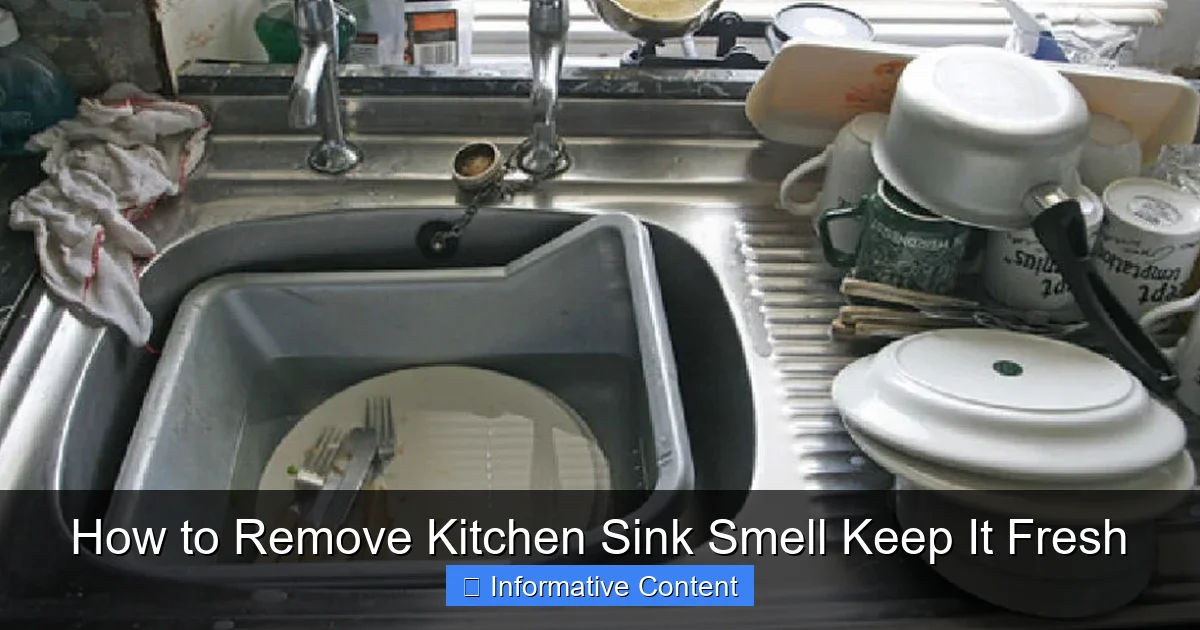
Tackling the P-Trap
The P-trap, that U-shaped pipe under your sink, is a common collection point for hair, grease, and food gunk. If you have a stubborn kitchen sink smell, especially a strong rotten smell, the P-trap is a prime suspect. To clean it:
- Place a bucket directly under the P-trap to catch any water or debris.
- Using a wrench, loosen the slip nuts on both sides of the P-trap.
- Carefully remove the trap and empty its contents into the bucket.
- Use an old toothbrush or a bottle brush to scrub the inside of the trap, removing any accumulated sludge.
- Rinse thoroughly with hot water and reattach the trap, ensuring the slip nuts are tight to prevent leaks.
This can be a messy job, but it’s incredibly effective in eliminating a deep-seated kitchen sink smell. If you’re uncomfortable with this, or if the P-trap is hard-piped (not easily removable), then a professional might be better.
Cleaning the Overflow Hole
Often overlooked, the overflow hole (the small opening at the top of your sink basin) can harbor a surprising amount of gunk, mold, and mildew, contributing to a musty kitchen sink smell. To clean it:
- Mix a solution of warm water and a little bleach or white vinegar.
- Using a small funnel or a squeeze bottle, carefully pour the solution into the overflow hole.
- Let it sit for about 10-15 minutes to disinfect and break down buildup.
- Use a small, flexible brush (like a bottle brush or a pipe cleaner) to scrub inside the hole as much as you can reach.
- Flush with clean water.
Don’t underestimate this hidden spot when you’re trying to remove smell from kitchen sink. It can be a real odor factory!
Specialized Drain Cleaners (Use with Caution)
While I generally recommend avoiding harsh chemical drain cleaners due to their potential to damage pipes and harm the environment, there are safer, more natural alternatives. Enzymatic drain cleaners use beneficial bacteria to digest organic matter, making them effective and much gentler. They are a good option for periodic maintenance or for a particularly stubborn kitchen sink smell. Always follow the product instructions carefully. Chemical cleaners, on the other hand, should be a last resort and used very sparingly, as they can cause corrosion and release toxic fumes. If you do use them, ensure proper ventilation.
Scrubbing the Sink Basin and Fixtures
Sometimes, the kitchen sink smell isn’t coming from the drain at all, but from accumulated grime on the sink’s surface, around the faucet, or under the rim. Give your entire sink basin a thorough scrub:
- Use an abrasive cleaner or a paste of baking soda and a little water.
- Scrub all surfaces, paying special attention to grout lines (if applicable), the faucet base, and the underside of the sink rim.
- Don’t forget the sink stopper – it can accumulate a lot of slimy buildup.
- Rinse everything thoroughly with hot water.
A clean sink surface ensures that lingering odors aren’t simply clinging to visible grime.
Beyond the Drain: Addressing Peripheral Sink Smells
The kitchen sink smell might not always be directly from the drain or pipes. Sometimes, the issue is coming from areas closely associated with your sink. Expanding your cleaning efforts to these peripheral zones can be key to fully remove smell from kitchen sink and keep it fresh.
Sponge and Dishcloth Hygiene
Think about it: your sponges and dishcloths are constantly wet, picking up food particles and sitting in a warm environment. They are practically perfect breeding grounds for bacteria and mold, and can quickly develop a sour, musty odor. This smell can then easily transfer to your hands, dishes, and even waft into the air, making you think your sink is the problem. Regularly wash dishcloths (hot cycle with bleach or vinegar) and replace sponges frequently (every 1-2 weeks). You can also microwave a damp sponge for 1-2 minutes to kill germs, but be careful as it will be very hot. This simple habit helps significantly to prevent a generalized kitchen sink smell.
Trash Can Proximity
Is your kitchen trash can located right next to or under your sink? The odors from decomposing food waste, even in a sealed bag, can easily be mistaken for a kitchen sink smell. Ensure you’re using good quality trash bags, emptying the bin regularly, and cleaning the inside of the trash can with disinfectant spray or a bleach solution. A quick wipe-down can prevent odors from accumulating and confusing you about the true source of a persistent smell.
Dishwasher Connection
If your dishwasher drains into your kitchen sink’s plumbing, it can also contribute to odors. Food particles can get trapped in the dishwasher filter, or old, stagnant water might sit in the drain hose. Routinely clean your dishwasher filter (check your manual for instructions), and run an empty cycle with a dishwasher cleaner or a cup of white vinegar to freshen things up. A smelly dishwasher can often trick you into thinking the kitchen sink smell is the sole culprit.
Under-Sink Cabinet Air Quality
The dark, enclosed space under your kitchen sink is another potential source of smells. Leaky pipes, even small drips, can lead to dampness, mold, and mildew growth on the cabinet floor or walls. Check regularly for any signs of moisture, water stains, or visible mold. Clean any affected areas thoroughly with a bleach solution or a mold killer. Ensure proper ventilation by occasionally leaving the cabinet doors open if it’s safe to do so. A musty under-sink cabinet can produce a lingering kitchen sink smell that’s hard to trace.
Data Table: Common Sink Odors: Causes & Quick Solutions
To help you quickly diagnose and address the issue, here’s a handy table summarizing common kitchen sink smells, their likely causes, and initial quick solutions to help you remove smell from kitchen sink.
| Odor Type | Likely Cause | Quick Solution |
|---|---|---|
| Musty/Earthy | Mold/mildew, bacterial growth, dampness in overflow or under-sink cabinet | Clean overflow hole, scrub sink basin, check under-sink for leaks/mold. Ensure good ventilation. |
| Rotten Egg (Sulfur) | Sewer gas from dry P-trap, decaying food in drain/disposal, bacterial decomposition | Run water to fill P-trap, baking soda & vinegar flush, ice & salt for disposal. |
| Acrid/Chemical | Old cleaning product residue, or potentially a serious vent pipe issue (rare) | Air out the area, flush with plenty of water. If persistent and strong, consult a plumber. |
| Stale/Greasy | Grease buildup, food particles in drain or garbage disposal | Boiling water flush, baking soda & vinegar, ice & salt for disposal, citrus peels. |
Preventative Measures: Keep Your Kitchen Sink Fresh Long-Term
Preventing a kitchen sink smell is always better than having to remove smell from kitchen sink after it has taken hold. Incorporating a few simple habits into your routine can make a world of difference and keep your kitchen smelling consistently fresh.
Regular Flushing Habits
Make it a habit to flush your drain with hot water after every use, especially after doing dishes. This helps wash down any lingering food particles and grease before they have a chance to solidify and stick to the pipes. A minute or two of hot water can prevent a lot of future headaches and keep that kitchen sink smell at bay.
Mindful Food Disposal
Be vigilant about what goes down your drain. Scrape plates thoroughly into the trash can before rinsing. Avoid pouring grease, coffee grounds, eggshells, fibrous vegetables (like celery or potato peels), and pasta/rice down the drain. These are common culprits for clogs and odors. Even if you have a garbage disposal, it’s not a magical black hole for all waste. The less organic matter that goes down, the less chance for a problematic kitchen sink smell to develop.
Routine Cleaning Schedule
Consistency is key. Schedule a weekly or bi-weekly cleaning for your sink and drain. A quick baking soda and vinegar flush, followed by a hot water rinse, can prevent buildup before it becomes a problem. Wipe down your sink basin daily with an all-purpose cleaner. This small effort goes a long way in maintaining a fresh kitchen and making sure you don’t have to constantly battle a kitchen sink smell.
Water Softener Benefits
If you live in an area with hard water, mineral deposits can accumulate in your pipes, creating rough surfaces that trap food particles and encourage bacterial growth. Installing a water softener can help reduce these deposits, making it harder for grime to stick and thus helping to prevent a kitchen sink smell. While a larger investment, it can contribute to overall plumbing health.
Ensuring Proper Ventilation
Make sure your P-trap always has water in it, especially for sinks that aren’t used daily. If you go on vacation, pour a tablespoon of mineral oil down the drain after running water to slow evaporation. Also, ensure that your plumbing’s vent pipes (usually on your roof) are clear and not blocked by debris. Blocked vents can lead to negative pressure, pulling water out of P-traps and allowing sewer gas to enter, causing that terrible rotten egg kitchen sink smell.
When to Call a Professional: Recognizing Serious Issues
While most kitchen sink smells can be resolved with DIY methods, there are times when it’s best to call in the experts. Recognizing these situations early can save you from bigger headaches and more costly repairs down the line. Knowing when to escalate your efforts from “how to remove smell from kitchen sink yourself” to “who can help me remove smell from kitchen sink” is crucial.
Persistent Clogs and Slow Drains
If you’ve tried all the DIY methods – the baking soda and vinegar, the boiling water, even the P-trap cleaning – and your drain is still slow or completely clogged, it’s a sign of a more significant blockage deeper in your plumbing system. A plumber has specialized tools like drain snakes and hydro-jetting equipment that can clear tough clogs that home remedies can’t touch. Ignoring a persistent clog can lead to backups and even burst pipes.
Strong Sewer Gas Smells
A faint musty odor is one thing, but a strong, consistent smell of rotten eggs or raw sewage is a serious concern. This indicates sewer gas is entering your home. As mentioned earlier, this could be due to a dry P-trap, but if filling the trap doesn’t fix it, the problem could lie with your main vent pipe system. Blocked or improperly installed vent pipes can lead to dangerous gases accumulating in your home. Sewer gas isn’t just unpleasant; it can be a health hazard, containing methane and hydrogen sulfide. If you suspect sewer gas, don’t delay – call a plumber immediately to remove smell from kitchen sink before it becomes a health issue.
Leaks and Water Damage
If you notice any visible leaks under your sink, even small drips, or signs of water damage like warped cabinet wood, discoloration, or a persistent damp smell, it’s time to call a professional. Leaks, even minor ones, can lead to mold growth, structural damage, and attract pests. What might seem like a simple leak could be an indicator of deteriorating pipes, loose connections, or a much larger plumbing issue that needs expert assessment and repair. Addressing these promptly will not only remove smell from kitchen sink but also protect your home from extensive damage.
Conclusion
A clean, fresh-smelling kitchen sink is an absolute joy, transforming your entire kitchen into a more inviting and hygienic space. While a lingering kitchen sink smell can be incredibly frustrating, it’s a common problem with a wide range of effective solutions. From understanding the common culprits like food particles and grease to employing the power of baking soda and vinegar, or even tackling the P-trap directly, you now have a comprehensive arsenal of strategies to remove smell from kitchen sink.
Remember that prevention is your best friend. Simple habits like thoughtful food disposal, regular flushing with hot water, and a consistent cleaning schedule can make a world of difference in keeping those unwanted odors at bay. And don’t forget to check those often-overlooked spots like the overflow hole and your trusty dishcloths!
By taking a proactive approach and knowing when to call in the professionals for more serious issues, you can ensure your kitchen sink remains a source of convenience, not a source of unpleasant odors. Here’s to a fresher, more enjoyable kitchen, free from that unwelcome kitchen sink smell!
Frequently Asked Questions
What causes the bad smell in my kitchen sink?
The unpleasant kitchen sink smell is often caused by a buildup of food particles, grease, and soap scum that cling to the sides of your drain pipes. As this organic matter decomposes, it creates bacteria that release foul-smelling gases, leading to the odor you notice.
What’s the quickest way to get rid of a kitchen sink smell?
For a quick and effective solution, pour 1/2 cup of baking soda down the drain, followed by 1 cup of white vinegar. Let this mixture fizz and sit for 15-30 minutes to break down grime and neutralize odors, then flush thoroughly with very hot water.
My kitchen sink still smells after trying baking soda and vinegar. What else can I do?
If the kitchen sink smell persists, the problem might be a larger clog or trapped food. Try flushing the drain with boiling water, or use an enzymatic drain cleaner designed to break down organic matter. Also, ensure your garbage disposal (if you have one) is thoroughly clean and free of stuck food particles.
How can I prevent the kitchen sink smell from returning?
Regular maintenance is key to preventing that recurring kitchen sink smell. Always run cold water when using your garbage disposal, avoid pouring grease down the drain, and periodically flush your drain with hot water or a baking soda and vinegar solution to keep it clear and fresh.
Could the bad kitchen sink smell be coming from something other than the drain?
Yes, sometimes the source of a bad kitchen sink smell isn’t just the main drain. Check your garbage disposal for any trapped food particles or grime on the rubber splash guard, as well as the overflow drain opening in the sink basin itself. Less commonly, a dry P-trap can also allow sewer gases to escape.
Are there any natural or heavy-duty solutions for a persistent kitchen sink odor?
For a truly stubborn kitchen sink smell, after trying baking soda and vinegar, you could try pouring a mixture of borax and hot water down the drain. If the issue is a deep, persistent clog, a plumbing snake might be necessary to physically clear the obstruction, or consider using a professional-grade enzyme cleaner.