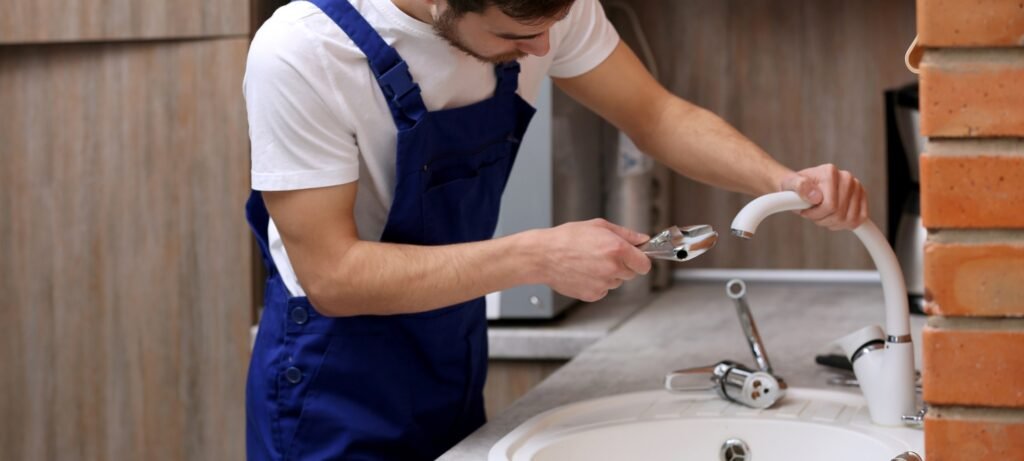
Is your kitchen faucet leaking or not working like it used to? A broken faucet can be frustrating and waste a lot of water, but fixing it yourself might be easier than you think.
Imagine saving money and avoiding the hassle of calling a plumber. You’ll discover simple, step-by-step tips to repair your kitchen faucet quickly and confidently. Keep reading, and you’ll have your faucet working perfectly again before you know it.

Credit: www.youtube.com
Identify Common Faucet Issues
Leaking faucetswaste water and increase bills. Often caused by worn-out washers or seals inside the faucet. Tightening parts or replacing washers usually stops leaks.
Low water pressurecan make washing hard. It may happen due to clogged aerators or pipes. Cleaning the aerator or checking water supply helps restore strong flow.
Dripping spoutsdrip water slowly but constantly. This issue often comes from damaged valves or O-rings inside the faucet. Replacing these small parts stops the drip.
Loose handlescan feel wobbly or hard to turn. Screws inside may be loose or worn out. Tightening or changing screws fixes handle problems quickly.

Credit: www.youtube.com
Gather Necessary Tools
Gathering the right toolsis essential for a smooth repair. Wrenches and screwdrivers come in different sizes. Choose ones that fit your faucet parts to avoid damage.
Replacement parts like washers, O-rings, or cartridges must match your faucet model. Carry old parts to the store for correct replacements.
Plumber’s tapehelps seal pipe threads tightly. It prevents leaks when reconnecting faucet parts.
Cleaning supplies such as cloths and mild cleaners remove dirt and buildup. This makes it easier to see and fix the problem.
Turn Off Water Supply
Begin by finding the shutoff valvesunder the sink. These valves control water flow to the faucet. Turn both valves clockwise to close them.
Sometimes, valves can be stuck. Use a cloth or pliers to help turn them gently.
Next, open the faucet to drain any remaining water. This step stops water from dripping while repairing.
Keep a bucket or towel handy to catch water drops. This keeps the area dry and clean.
Disassemble The Faucet
Start by turning off the water supply under the sink. Use a screwdriver or Allen wrench to remove the handle screws. Carefully lift the handles off to expose the cartridge or valve. Some handles may have a decorative cap covering the screws.
Once handles are removed, gently pull out the cartridge or valve. Use pliers if it’s stuck, but avoid damage. Check for any wear or mineral buildupon the cartridge and valve seat. Clean or replace parts as needed.
| Component | What to Check | Action |
|---|---|---|
| Handle | Loose screws or cracks | Tighten or replace |
| Cartridge/Valve | Leaks, cracks, mineral buildup | Clean or replace |
| O-rings and Seals | Wear or dryness | Lubricate or replace |
Fix Common Problems
Replace worn washersto stop leaks and drips. Shut off water supply before starting. Remove the faucet handle and take out the old washer. Use a matching washer for replacement. Tighten it properly to avoid further leaks.
Mineral deposits can block water flow. Soak parts in vinegar to clean mineral deposits. Use a soft brush to scrub off buildup. Rinse well and dry all parts before reassembling the faucet.
- Tighten loose partslike handles and spouts.
- Use a wrench or screwdriver as needed.
- Check all connections to prevent leaks and wobbling.
Replace the cartridgeif the faucet still drips or won’t turn off. Turn off water supply first. Remove faucet handle and use pliers to pull out the cartridge. Insert the new cartridge and reassemble the faucet. Test to ensure smooth operation.
Reassemble The Faucet
Reattach all parts carefully to their original places. Use plumber’s tapeon threads to stop leaks. Wrap the tape around the threads 2-3 times before screwing parts back. This ensures a tight seal.
Secure the handles firmly but do not overtighten. Tightening too much can cause damage or make the faucet hard to use. Check that all parts fit well and turn smoothly.
Test The Repair
Turn the water supply back on and check for leaks around the faucet. Make sure the handle moves smoothly and water flows correctly. Confirm the repair is complete by testing both hot and cold water functions.
Turn Water Back On
Slowly turn the water supply back on. Watch the faucet carefully. Make sure water flows smoothly. Listen for any strange sounds. These could mean problems.Check For Leaks
Feel around the base of the faucet. Use your hand to check for water. Look for any wet spots. A leak means a repair is not done.Ensure Proper Flow
Turn the faucet handle fully. Water should flow strong and steady. If it drips or is weak, check again. Make sure everything is tight. Adjust as needed. `Prevent Future Issues
Check the faucet for leaks often. Tighten any loose parts gently. Clean the faucet with mild soap and water. Avoid using harsh chemicals. Lubricate the faucet handles to keep them smooth. Replace any worn-out washers promptly. These steps keep your faucet working longer.
Hard water can cause faucet problems. Use a water softener if needed. Clean mineral deposits from the faucet regularly. This prevents clogs and damage. A clean faucet runs better. It also lasts longer.
Some issues need a professional plumber. Call if the faucet drips constantly. Contact a plumber if you find rust or cracks. Professionals fix complex problems safely. They can also install new parts correctly.
Credit: carolinagirlcooks.com
Frequently Asked Questions
How Do I Fix A Leaking Kitchen Faucet?
To fix a leaking faucet, first turn off the water supply. Then, disassemble the faucet, replace worn washers or O-rings, and reassemble. Check for leaks after repair to ensure success.
What Tools Are Needed To Repair A Kitchen Faucet?
You need a wrench, screwdriver, replacement washers, O-rings, and plumber’s tape. Having a bucket and cloth handy helps to catch water and clean up spills.
How Long Does It Take To Repair A Kitchen Faucet?
Repairing a kitchen faucet usually takes 30 to 60 minutes. Time depends on the faucet type and the issue’s complexity. Simple repairs are quicker than major replacements.
Can I Repair A Faucet Without Professional Help?
Yes, most faucet repairs can be done DIY with basic tools. Follow step-by-step guides carefully. However, complex problems might require professional plumbing services.
Conclusion
Repairing a kitchen faucet can save money and time. Small leaks or drips do not always need a plumber. Basic tools and parts often solve common problems. Follow clear steps to fix your faucet with ease. Stay patient and work carefully to avoid damage.
Regular maintenance helps keep your faucet working well. A working faucet makes kitchen tasks easier every day. Try these tips and enjoy a leak-free sink.