Is your kitchen sink refusing to drain, leaving you with a pool of standing water and a headache? You’re not alone.
A clogged kitchen sink is a common household issue that can disrupt your daily routine. But here’s the good news: you don’t need to be a plumbing expert to fix it. With a few simple steps, you can have your sink flowing freely again in no time.
Imagine the relief of watching that water disappear down the drain, taking your frustration with it. You can achieve this without splurging on expensive tools or waiting for a plumber. In this guide, you’ll discover easy, effective ways to tackle that stubborn clog head-on. You’ll learn the secrets to clearing the blockage and preventing future sink slowdowns. So, roll up your sleeves—it’s time to take control of your kitchen sink and restore order to your home. Keep reading to find out how!

Credit: sierracoolslv.com
Identify The Cause
Look under the sink for any visible blockages. Food scraps and debris often build up. Use a flashlight to see better. Remove any items blocking the drain. Check the garbage disposal for stuck objects. Clear away anything that might stop water flow.
Observe how fast water drains from the sink. Slow draining usually means a clog. Pour a small amount of water into the sink. Watch how quickly it disappears. If water sits without moving, there’s a likely blockage. A drain that empties slowly points to a partial clog.
Gather Necessary Tools
Start with a plunger. It’s a simple tool that helps a lot. Keep a bucket handy to catch any water. A towel will help keep the area dry. Use a wrench to loosen pipes if needed. A flashlight is useful to see under the sink. These tools are easy to find and use.
Sometimes clogs are tough. Use a plumber’s snake for deep clogs. A wet/dry vacuum can suck out water and debris. Try a baking soda and vinegar mix for a natural solution. Special drain cleaners can help break down tough clogs. Rubber gloves protect your hands during the process. These tools can make the job easier.
Remove Standing Water
Removing standing water is crucial to unclogging a kitchen sink. Use a cup or small container to carefully scoop out the water, allowing better access to the drain. This step helps in identifying and addressing the clog effectively.
Use A Bucket Or Bowl
Start by taking a bucketor a bowl. Scoop out as much water as you can. Be careful while removing the water. Pour the water into another sink or a bucket. This makes unclogging easier.
Utilize A Wet-dry Vacuum
A wet-dry vacuumcan help a lot. Set it to vacuum liquids. Place the hose at the drain. Turn it on and let it suck up the water. Make sure the vacuum is sealed well. This helps in clearing the water fast.
Apply A Plunger
Place the plunger over the sink’s drain opening. Push down firmly and pull up to create suction. Repeat this motion several times to dislodge the clog, allowing water to drain.
Effective Plunging Techniques
Start by placing the plungerover the sink’s drain. Ensure a tight seal for best results. Push down gently, then pull up sharply. Repeat several times. This helps break up the clog. Use a steady rhythmfor maximum effect. Check if water drains after plunging. If not, try again.
When To Consider Other Methods
Plunging may not always work. If water remains, consider alternative methods. Other tools might be necessary for stubborn clogs. Call a professionalif the blockage persists. Sometimes, the clog is deep within pipes. In such cases, plunging is ineffective. Safety is crucial; avoid harsh chemicals. Always wear protective gloves.
Use Baking Soda And Vinegar
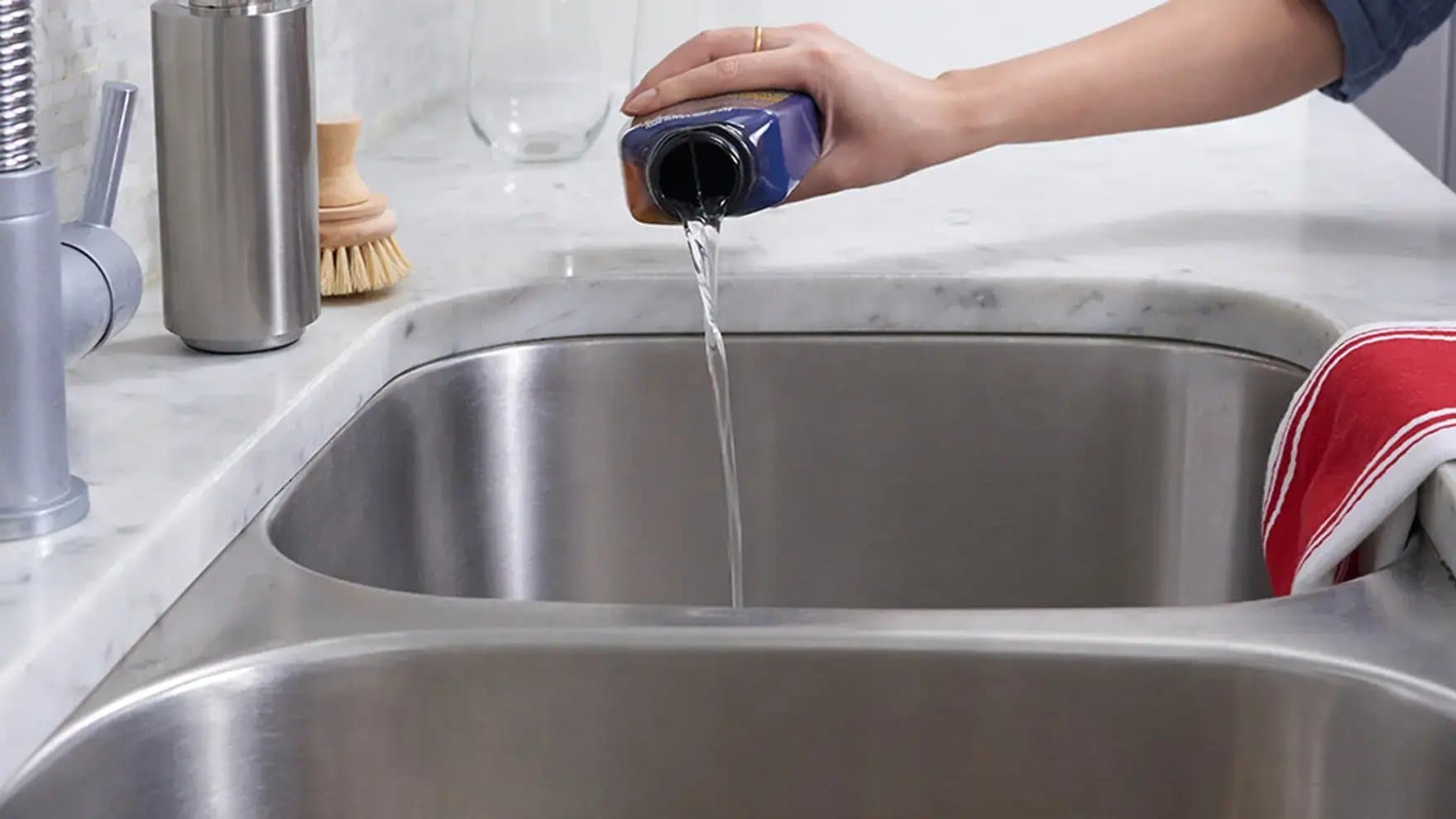
Start by pouring one cup of baking sodadown the sink. Wait for a few minutes. Next, pour one cup of vinegarinto the sink. You will see bubbles. This is normal. The mixture helps break down the clog. Wait for about 15 minutes. Then, flush with hot water. This can clear many blockages.
The solution needs time to work. It is not instant. Give it at least 15 minutes. Sometimes, you may need to repeat the process. Be patient. If the clog is stubborn, try again. Baking soda and vinegar are safe. They will not harm your pipes. They are also environmentally friendly.
Try A Chemical Drain Cleaner
Chemical drain cleaners can effectively tackle stubborn clogs in kitchen sinks with standing water. Pour the cleaner slowly into the drain and allow it to sit for the recommended time before flushing with hot water. Follow safety instructions carefully to prevent damage and ensure a clear flow.
Safety Precautions
Always wear gloves and goggles before using chemicals. Keep windows open for fresh air. Do not mix different cleaners. They can make dangerous fumes. Keep kids and pets away from the area. Follow the instructions on the cleaner’s label. Store chemicals safely after use.
Application Instructions
- Read the instructions on the chemical bottle.
- Pour the right amount of cleaner into the drain.
- Let it sit for the time shown on the label.
- Do not use the sink while the cleaner works.
- Rinse with hot water after the waiting time.
If the water drains slowly, repeat the process. If it stays clogged, try a different method.
Snake The Drain
Snake the Drain Struggling with a clogged kitchen sink? Use a plumber’s snake to clear the blockage. Insert it into the drain, twist, and push gently to break up the clog.
Choosing The Right Snake
Picking the correct snake for the job is crucial. Choose a plumbing snake that fits your sink’s pipes. A 25-foot snake is often enough for kitchen sinks. Ensure the snake is flexible. This helps it move through tight curves.
Step-by-step Snaking Process
Follow these steps to unclog the sink:
- First, wear gloves to protect your hands.
- Insert the snake into the drain slowly.
- Turn the handle clockwise. This helps the snake move forward.
- Feel for resistance. When you do, turn the snake more.
- Pull the snake out. Check for debris on the tip.
- Run water to see if the clog is gone.
- Repeat if needed until the drain is clear.

Credit: aslanplumbing.ca
Inspect The P-trap
Inspect the P-Trap for clogs by placing a bucket underneath and unscrewing it. Remove debris and reattach carefully. This simple step often solves standing water issues in kitchen sinks.
Removing And Cleaning The P-trap
Locate the P-Trapunder your sink. It is a curved pipe. Place a bucket beneath to catch water. Use a wrench to loosen the slip nuts. Carefully remove the P-Trap and empty water into the bucket. Check inside for clogs or debris. Clean the P-Trap with a bottle brush or a similar tool. Make sure it’s free of any blockages.
Reassembly And Testing
Reattach the P-Trap to the sink pipes. Tighten the slip nuts securely with a wrench. Ensure there are no leaks. Turn on the faucet to check water flow. Watch if the sink drains properly. If not, there might be another issue. Consider checking other parts of the plumbing. Always be careful and follow safety steps.
Prevent Future Clogs
Regularly clean sink drains to prevent future clogs. Use a mixture of baking soda and vinegar weekly. Flush with hot water to ensure smooth flow.
Regular Maintenance Tips
Use a strainer to catch food bits. This stops clogs. Run hot water down the sink after use. This helps clear any grease. Clean the drain stopper weekly. It collects hair and debris. Pour baking soda and vinegar down the drain monthly. This keeps it fresh and clear.
Do’s And Don’ts For Kitchen Sinks
- Do scrape plates before washing.
- Do clean sink after use.
- Do pour boiling water weekly.
- Don’t put coffee grounds down the drain.
- Don’t pour oil or fat into the sink.
- Don’t use harsh chemicals often.

Credit: majewskiplumbing.com
Frequently Asked Questions
How To Unclog Sink With Standing Water?
To unclog a kitchen sink with standing water, first remove excess water using a cup or bowl. Then, use a plunger to create suction and dislodge the blockage. If needed, use a drain snake to remove stubborn debris. Finally, flush the drain with hot water to clear any remaining residue.
What Household Items Can Unclog A Sink?
Common household items like baking soda and vinegar can effectively unclog a sink. Start by pouring baking soda down the drain, followed by vinegar. Allow the mixture to sit for 15 minutes before rinsing with hot water. This natural solution helps dissolve minor clogs and deodorizes the drain.
Can Hot Water Clear Sink Clogs?
Hot water can sometimes clear minor clogs in a sink. Pour boiling water directly into the drain to help dissolve grease and soap buildup. This method is most effective for mild blockages. However, for severe clogs, additional methods like plunging or using a drain snake may be necessary.
Is A Plunger Effective For Kitchen Sinks?
A plunger can be effective for unclogging kitchen sinks. Ensure there is enough water to cover the plunger’s rubber cup. Create a tight seal and plunge vigorously to dislodge the blockage. This method works well for clogs caused by food particles and other debris.
Conclusion
Unclogging a kitchen sink is simple with these steps. Start by removing visible debris. Use a plunger to dislodge clogs further down. Baking soda and vinegar can break stubborn blockages. Hot water helps flush remaining residue away. Regular cleaning prevents future clogs.
Keep your kitchen sink clear for smooth operation. Simple actions save time and effort. A clean sink means a happier kitchen. Try these tips next time standing water appears.