Are your kitchen cabinets looking tired and worn out? Do you find yourself daydreaming about a fresh, new look every time you step into your kitchen?
You’re not alone. Many homeowners feel the need for a change but hesitate, thinking it’s too costly or complicated. What if I told you that redoing your kitchen cabinets could be simpler than you imagine, and you don’t have to break the bank to achieve a stunning transformation?
Imagine walking into your kitchen and feeling a sense of pride and joy. Picture your friends and family complimenting your beautifully revamped space. This article is your step-by-step guide to breathing new life into your kitchen cabinets, making the process easy and enjoyable. You’ll discover practical tips and tricks that will not only enhance the appearance of your kitchen but also add value to your home. Ready to turn your kitchen into your favorite room in the house? Let’s dive in and explore how you can achieve the kitchen of your dreams.
Planning Your Cabinet Redo
Transform your kitchen by redoing cabinets. Fresh paint or new hardware can make a big difference. Choose colors and styles that suit your taste.
Assessing Current Condition
Check each cabinet for damage. Look at the hinges and doors. Notice any chips or scratches. Check inside for mold or rot. Make a list of needed repairs. Decide if you need to replace any parts. Cleaning is important too. Wipe away dust and grease. This helps you see the real condition.
Setting A Budget
Decide how much you can spend. Write down costs for materials. Don’t forget about tools. Labor costs might be needed too. Plan for unexpected expenses. Keep a little extra money aside. Choose affordable options if needed. Be smart with your choices.
Choosing A Style
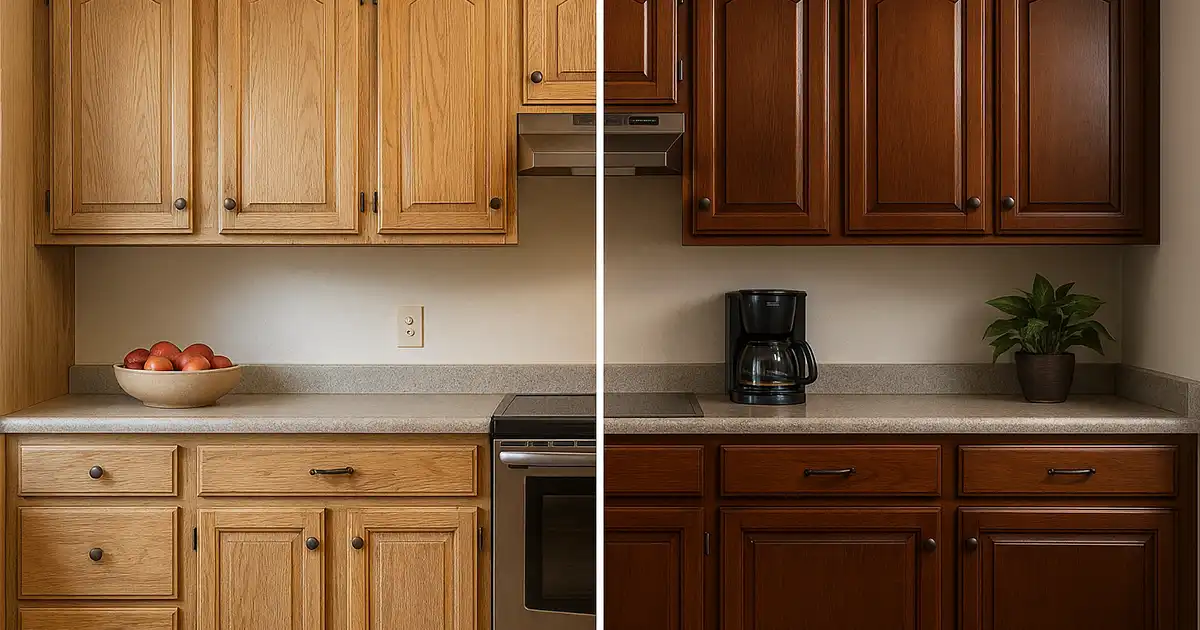
Pick a style you love. Modern styles have clean lines. Rustic styles feel cozy. Classic styles are timeless. Mix styles for a unique look. Consider the kitchen’s overall feel. Match the cabinet style with other furniture. Color is important. Choose colors that complement each other.
Credit: bruckschandsons.com
Gathering Necessary Tools
Gather essential tools like screwdrivers, sandpaper, and paintbrushes before starting your kitchen cabinet redo. Having everything ready ensures a smooth and efficient renovation process.
Essential Tools List
- Hammer– Useful for removing old nails.
- Screwdriver– Tightens and loosens screws.
- Drill– Makes holes for new screws.
- Measuring Tape– Ensures accurate measurements.
- Paintbrush– Applies paint smoothly.
- Sandpaper– Helps to smooth surfaces.
Safety Equipment
- Safety Glasses– Protect eyes from dust.
- Gloves– Keep hands safe from sharp tools.
- Dust Mask– Prevents inhalation of harmful particles.
Removing Old Cabinets
Removing old cabinets is the first step in redoing your kitchen. Carefully unscrew and detach them from the wall. This creates a fresh space for your new design.
Labeling And Organizing
Start by labeling all cabinet doorsand shelves. Use sticky notes or tape. Write their locations. This helps you remember where each piece belongs. Keep screws and hinges in small bags. Label the bags too. Stay organized. It makes reassembly easier.
Safe Dismantling Techniques
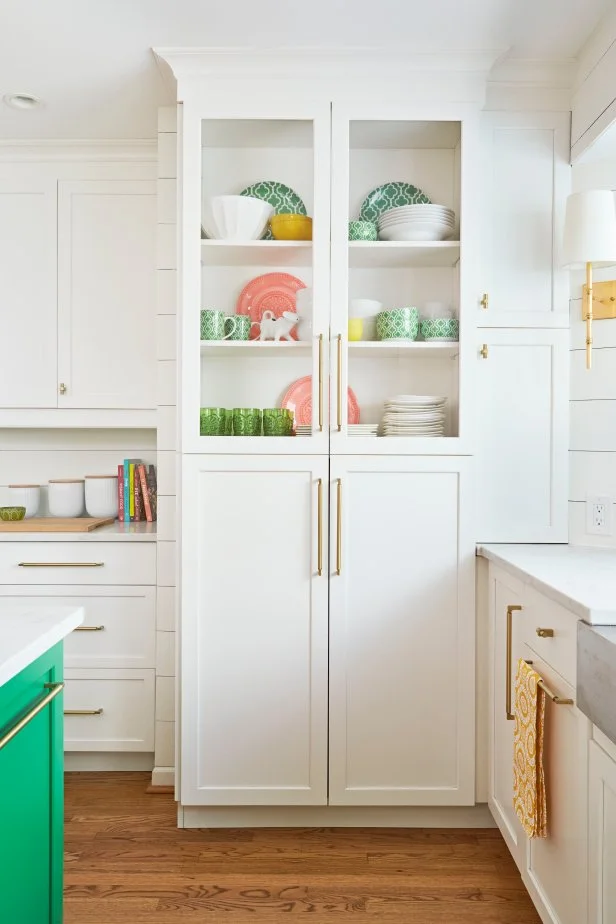
Use a screwdriverfor removing screws. Avoid using electric drills. They can damage wood. Unscrew carefully. Hold each part steady while unscrewing. Ask someone to help. Lift doors off gently. Do not rush. Safety matters most. Wear gloves to protect your hands. Use goggles if needed.
Credit: www.hgtv.com
Preparing Cabinet Surfaces
Preparing cabinet surfaces involves cleaning them thoroughly to remove grease and dirt. Sanding ensures a smooth finish, making it easier to apply new paint or varnish. Ensure all surfaces are dry before proceeding with painting or staining for a fresh, updated look.
Cleaning And Sanding
Start by removing all cabinet doors and drawers. Use a gentle cleaner to wipe surfaces. Ensure all grease and dirt are gone. Once clean, dry with a soft cloth. Next, sand each surface lightly. This helps paint stick better. Use fine-grit sandpaper for smooth results. Wipe away dust with a damp cloth. Always work in a well-ventilated space. Protect floors with a drop cloth.
Repairing Damage
Inspect cabinets for cracks or holes. Use wood filler to fix these issues. Apply filler with a putty knife. Let it dry completely. Sand down the repaired spots smoothly. Check for loose hinges or screws. Tighten all parts securely. Replace any broken hardware. Ensure all repairs are done before painting. This ensures a smooth finish.
Painting Or Staining Cabinets
Painting or staining cabinets can refresh your kitchen’s look. Choose a color or finish that matches your style. Prep work is key; clean and sand surfaces for best results.
Selecting Paint Or Stain
Pick a color that matches your kitchen style. Bright colors make the space lively. Dark colors add elegance. Use stain for a natural wood look. Ensure the paint or stain is suitable for cabinets. Oil-based paints are durable. Water-based paints dry quickly. Test a small area first. This checks if you like the color.
Application Techniques
- Clean the cabinets thoroughly.
- Sand the surface lightly.
- Apply a coat of primer.
- Use a brush for corners.
- Roller works best for flat areas.
- Let the first coat dry fully.
- Apply a second coat for better finish.
Installing New Hardware
Refreshing kitchen cabinets with new hardware can transform the space. Choose stylish knobs and pulls that match your decor. Install them easily with a screwdriver for a quick update.
Choosing Handles And Knobs
Pick handles and knobs that match your kitchen style. Choose between modern or classic designs. Make sure they fit your cabinet’s color. Test the feel of the knobs and handles. They should be comfortable to hold. Measure the space between holes on your cabinets. This ensures a perfect fit.
Proper Installation Steps
- Remove old hardware carefully. Use a screwdriver for this task.
- Align new knobs with existing holes. Ensure they fit well.
- Tighten screws gently. Avoid damaging the cabinet surface.
- Double-check the alignment. Adjust if necessary.
- Test the handles. They should open and close smoothly.
Reassembling Cabinets
Redoing cabinets in the kitchen can refresh your space. Start by removing old paint or finish. Sand the surface for smoothness. Choose a new color or stain to apply. Finish with a protective sealant to ensure durability. Enjoy your revitalized kitchen look!
Aligning Doors And Drawers
Doors should match the cabinet frame. Use a level to check alignment. Adjust hinges if they are crooked. Tighten screws to secure the hinges. Drawers must slide smoothly. Check if they are straight. Adjust tracks for proper alignment. Ensure the drawer stops at the right point. Make sure nothing blocks the drawer’s path.
Securing Fixtures
Cabinet fixtures need to be tight. Use a screwdriver to secure handles. Check if knobs are loose and tighten them. Ensure shelves are stable. They should not wobble or tilt. Use brackets if needed for extra support. Make sure all fixtures are in the right place. Test them to see if they hold well.
Final Touches
Add final touches to redo kitchen cabinets by installing new hardware and applying a fresh coat of paint. Ensure smooth edges and a clean surface for a polished look.
Adding Decorative Elements
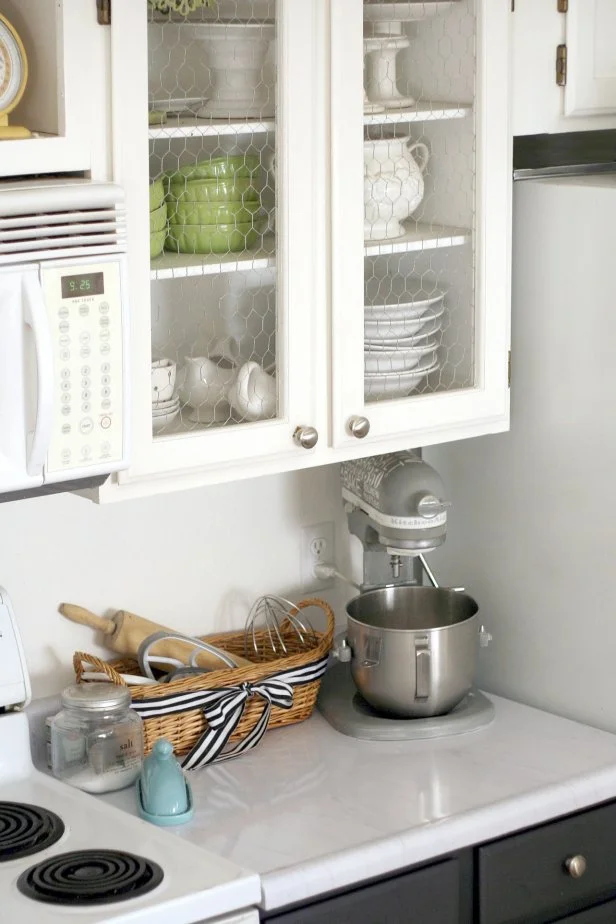
Add small knobs or colorful handles to cabinets. These make them pop. Choose a style that fits your kitchen theme. Use pretty stickers or decals for a fun touch. Arrange small plants or flowers on top. They add life and color. Consider adding a small light under the cabinet. It makes the kitchen cozy at night.
Ensuring Smooth Operation
Check all cabinet doors. They should open and close easily. If they squeak, use oil to fix them. Tighten any loose screws. Handles should not wobble. Check drawers too. They should slide smoothly. If not, adjust the runners. Keep cabinet edges clean and smooth. This prevents accidents and keeps them looking new.
Credit: www.hgtv.com
Frequently Asked Questions
What Is The Best Paint For Kitchen Cabinets?
The best paint for kitchen cabinets is a durable, high-quality enamel. Choose one with a satin or semi-gloss finish for easy cleaning. Ensure it’s resistant to moisture and stains, ideal for kitchen environments. Brands like Sherwin-Williams and Benjamin Moore offer excellent options for a lasting finish.
Can I Redo Cabinets Without Replacing Them?
Yes, you can redo cabinets without replacing them. Options include painting, refinishing, or refacing them. These methods are cost-effective and transform the look. Consider new hardware, like handles, to update style. Refacing involves applying new veneers or laminates to existing cabinet surfaces.
How Much Does It Cost To Redo Cabinets?
The cost to redo cabinets varies based on method and materials. Painting or refinishing may cost $200-$600 for DIY projects. Professional refacing typically ranges from $1,000 to $4,000. Prices depend on cabinet size, condition, and chosen materials. Always get multiple quotes for professional services.
What Tools Are Needed For Cabinet Refinishing?
For cabinet refinishing, you’ll need sandpaper, paintbrushes, rollers, and a screwdriver. A sander can expedite the process. Don’t forget primer and paint for the finishing touch. Safety gear like gloves and masks is essential. Proper tools ensure a smooth and efficient refinishing job.
Conclusion
Redoing kitchen cabinets transforms your space with minimal effort. A fresh coat of paint or new handles can make a big difference. Choose colors that match your style and kitchen theme. Consider your budget and time before starting the project.
Simple tools and a little patience go a long way. Enjoy the process and take your time. Now, your kitchen can feel new and inviting. With these tips, you can create a space that feels like home. Remember, small changes can have a big impact.
Happy renovating!