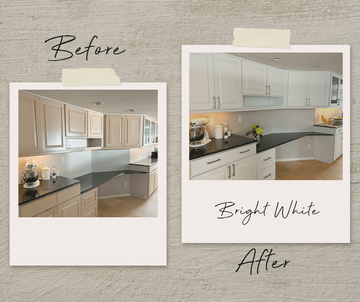
Are you ready to transform your kitchen cabinets but unsure about how much paint you’ll need? You’re not alone!
Many homeowners dive into DIY projects only to find themselves scrambling for more supplies halfway through. But worry not—this article will guide you in planning your paint purchase perfectly, ensuring a smooth and stress-free process. Imagine the satisfaction of seeing your cabinets beautifully finished without the hassle of unexpected trips to the store.
With just a few simple calculations, you’ll have all the information you need to get started confidently. Stay with us, and let’s make your cabinet makeover a breeze!

Credit: food52.com
Estimating Paint Quantity
Measure your cabinets first. Width and height are important. Multiply width by height. This gives you the square footage. Always remember to measure both sides. Do not forget the doors and drawers. This adds more area to paint.
One gallon covers about 350 square feet. Check if your cabinets need two coats. Double the paint if needed. Choose between different paint types. Some paints cover better. Ask for help at the store if unsure.
Consider primer if cabinets are dark. Primer helps cover old colors. It makes new paint stick better. This can affect how much paint you need. Always buy a little extra. Mistakes can happen. It’s good to be prepared.

Credit: food52.com
Measuring Cabinet Surface Area
Gather a measuring tapeand a notepadfor your measurements. A calculator can help with math. Use a step stoolto reach high cabinets. These tools will help you measure easily.
Measure the height and width of each cabinet door. Write down the numbers. Do the same for cabinet sides. Multiply height by width for each piece. Add all the areas together. This gives the total square footage. Remember to measure carefully for accurate results.
Choosing The Right Paint
Cabinets need special paint. Regular wall paint won’t work well. Oil-based paint is very strong. It lasts a long time. Water-based paint is easier to clean. It dries fast. Chalk paint gives a soft look. It hides bumps and scratches. Acrylic paint is smooth. It is easy to use.
Finishes change how cabinets look. Gloss finish is shiny. It reflects light. Matte finish is soft. It absorbs light. Satin finish is in between. It is smooth. Semi-gloss finish is durable. It is easy to clean. Eggshell finish gives a warm look. It hides marks and spots.
Considerations For Paint Coverage
Estimating paint for kitchen cabinets requires considering surface size and the number of coats needed. Cabinet design and paint type can affect coverage. Always account for extra paint to ensure even finish and touch-ups.
Factors Affecting Paint Coverage
Kitchen cabinets need proper paint coverage. Wood type affects paint amount. Oak and pine need more paint. Smooth surfaces need less paint. Cabinet size matters too. Large cabinets require more paint.
Single Coat Vs. Multiple Coats
Single coat may not cover well. Multiple coats look better. They add durability. Two or three coats work best. Ensure even coverage. Let each coat dry completely.
Preparing Cabinets For Painting
Before painting, it’s crucial to clean your cabinets well. Remove dirt, grease, and old paint. Use a mild detergent mixed with water. Scrub gently with a sponge. After cleaning, let them dry completely. Next, it’s time to sand. Sanding helps paint stick better. Use sandpaper with a grit of 120-150. Sand all surfaces lightly. Always sand in the direction of the wood grain. Wipe away dust with a damp cloth.
Primer is essential for a smooth finish. It helps paint stick to cabinets. Choose a primer that suits your cabinet material. Apply primer with a brush or roller. Cover all areas evenly. Let the primer dry fully before painting. Check the instructions on the primer can. Some primers dry faster than others. Drying time is important for good results.
Tips For Efficient Painting
Calculate the square footage of your cabinets to estimate paint needs. Consider multiple coats for durability. Factor in primer and finish coat for the best results.
Tools And Equipment Needed
Gather the right tools for painting. Use a good paintbrushand roller. Have sandpaper ready for smooth surfaces. You need a primerto help the paint stick. Get painter’s tape to protect areas you don’t want painted. A drop cloth will keep the floor clean. These tools make painting easy and clean.
Techniques For Smooth Application
Start with clean and dry cabinets. Apply primer evenly with a brush. Let it dry completely before painting. Use a rollerfor flat surfaces and a brush for corners. Paint in thin layers for a smooth finish. Wait for each layer to dry before adding the next. Patience gives the best results.
Common Mistakes To Avoid
Estimating the right amountof paint is important. Buying too much paint wastes money. Measure the cabinet area carefully. Calculate the square feet you need to cover. One gallon of paint usually covers about 350 square feet. Check the label for exact coverage information. Consider buying a little extra for touch-ups. Avoid buying double the paint you need.
Different cabinet materialsneed different types of paint. Wood, metal, and laminate react differently. Wood soaks up more paint than metal. Metal needs special paint to prevent rust. Laminate might need a special primer. Always check the cabinet material first. Choose the correct paint type for best results. This ensures the paint sticks well and lasts long.

Credit: pbphomerepair.com
Frequently Asked Questions
How Much Paint For Kitchen Cabinets?
The amount of paint needed depends on cabinet size and layers. For average cabinets, one gallon covers 350 square feet. Factor in additional coats for complete coverage. Always measure your cabinets first and consult paint experts for accuracy.
What Type Of Paint Is Best?
Use high-quality acrylic or oil-based paint for kitchen cabinets. These paints offer durability, easy cleaning, and a smooth finish. Choose semi-gloss or satin for a modern look. Always check the manufacturer’s recommendations for optimal results.
How Do I Prepare Cabinets For Painting?
Begin by cleaning and sanding the cabinets thoroughly. Remove any grease and grime. Apply a primer to ensure even paint adhesion. Proper preparation prevents peeling and ensures long-lasting results.
Can I Paint Cabinets Without Sanding?
Yes, you can use a deglosser or liquid sandpaper. These products help paint adhere without traditional sanding. However, sanding is recommended for optimal results. Always follow product instructions for safety and effectiveness.
Conclusion
Calculating paint for kitchen cabinets need not be stressful. Start by measuring your cabinets. This helps estimate the amount of paint required. Always buy a little extra. It covers any mistakes or touch-ups. Consider the type of paint as well.
Different finishes need different amounts. Preparing your cabinets is key. Clean and sand them properly. This ensures the paint sticks well. Remember, patience is important. Take your time for the best results. With these tips, painting your kitchen cabinets becomes simple.
Enjoy your refreshed space with newfound confidence.