Are you tired of struggling to connect a hose to your kitchen sink? Whether you want to add a sprayer, hook up a water filter, or attach a dishwasher, knowing the right steps can save you time and frustration.
In this guide, you’ll learn simple, clear instructions that anyone can follow—even if you’re not a DIY expert. Keep reading, and you’ll soon have your hose connected securely and working perfectly. Let’s get started!
Tools And Materials Needed
Gather these tools and materialsbefore connecting a hose to a kitchen sink. A hosethat fits your faucet is essential. Use an adjustable wrenchto tighten connections without damage. A screwdriverhelps secure clamps on the hose. Include plumber’s tapeto stop leaks at threaded joints. A bucketcan catch water during installation. Keep cloth or towelhandy to wipe spills. Check for hose clampsto ensure a tight fit. Use pipe sealantif needed for extra leak protection. Having all these ready makes the job easier and faster.
Locate The Water Supply Valve
Find the water supply valve under the kitchen sink. It is usually a small knob or lever attached to a pipe. This valve controls the flow of water to the sink. Turn the valve off to stop water flow before connecting the hose. Sometimes, there are two valves: one for hot water and one for cold water. Make sure to locate the correct valve for the hose connection. If unsure, try turning each valve to see which one stops the water. The valve should be easy to reach and turn by hand. If it is stuck, use a cloth for better grip. Knowing the valve’s location helps prevent water leaks and flooding.
Choose The Right Hose Type
Choosing the right hose typeis very important for your kitchen sink. There are mainly three types of hoses:
- Vinyl hoses– Cheap and flexible but can wear out fast.
- Braided stainless steel hoses– Strong and long-lasting. They resist damage well.
- Rubber hoses– Durable and flexible but can be thick and hard to handle.
Check the hose diametermatches your sink’s faucet. Most kitchen sinks use a ½ inch or ¾ inch hose.
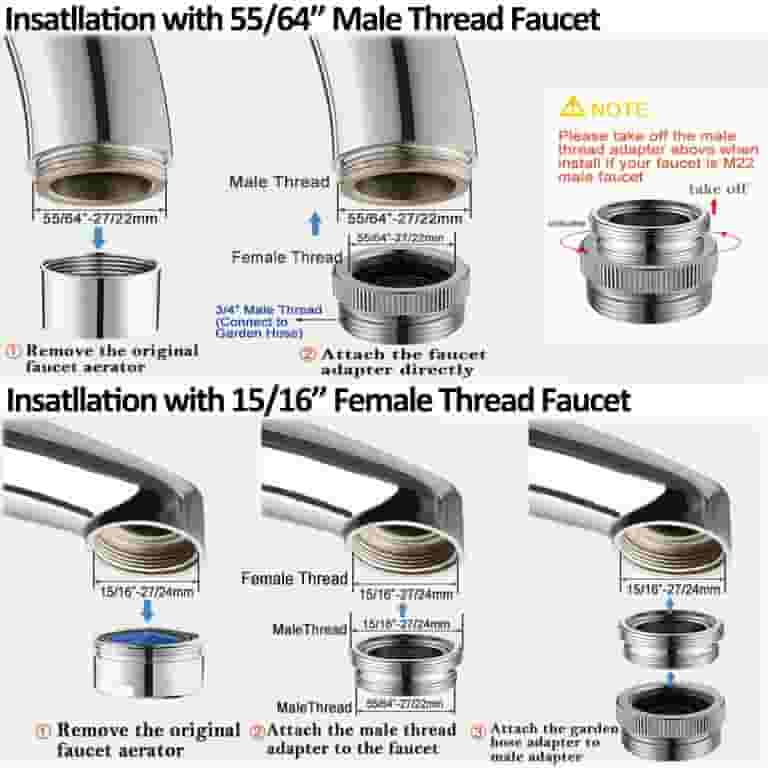
Also, ensure the hose has proper connection fittingsthat fit your faucet and water supply.
Credit: www.walmart.com
Turn Off The Water Supply
Find the valveunder the sink. It controls the water flow. Turn the valve clockwise to stop the water. This ensures no leaks occur while connecting the hose. Ensure the valve is tightly closed. Check that the sink is not running water. Look under the sink for any leaks. Wait a few minutes to confirm the water is off. This step is important for safetyand cleanliness.
Remove Existing Fixtures
Start by turning off the water supply under the sink. This stops water flow and keeps the area dry. Use a wrench to loosen and remove the nuts holding the faucet or hose in place. Keep a bucket nearby to catch any water left in the pipes. Carefully disconnect the hose from the faucet or water line. Remove any old washers or seals to prepare for the new hose. Clean the area around the sink hole to avoid leaks. Check for any damage or rust that might need fixing before installing new parts.

Credit: www.sinkple.com
Attach Hose To Faucet Or Sink
First, find the faucet where the hose will connect. Remove any old attachments or caps.
Slide the hose onto the faucet’s end firmly. It should fit snugly to avoid leaks.
- Use hose clamps to secure the connection tightly.
- Tighten the clamps with a screwdriver until the hose does not move.
For connecting to the sink outlet, locate the water outlet pipe under the sink.
Attach the hose to the outlet pipe securely. Use clamps here as well to prevent water from leaking.
Check all connections for tightness and test water flow to make sure everything works well.
Check For Leaks
Turn on the water slowly. Look closely at the hose connection. Watch for any dripping water. If you see water, tighten the connection. Use a wrench if needed. Make sure the hose is snug but not too tight. Check under the sink too. Look for puddles or wet spots. Water shouldn’t be anywhere but the sink. Listen for dripping sounds. If you hear them, find the leak source. Sometimes, a washer might be loose. Replace it if it’s old or worn out.
Always check after using the sink. Leaks can cause big problems later. It’s important to catch them early. Keep the sink area dry. This helps prevent mold and damage. A simple check can save you trouble. Remember, water should stay where it belongs.
Test Water Flow
Turn on the faucet slowly to check the water flow. Watch for any leaks around the hose connection. The water should flow smoothly without any drops or splashes.
Feel the hose to see if it is wet or dripping. If you notice leaks, tighten the connection carefully. Avoid over-tightening as it may damage the hose or faucet.
Check both hot and cold water to ensure the hose works with both. Keep a towel nearby to catch any water that may spill.
Maintenance Tips
Check the hose regularly for cracks or leaks. Look under the sink for any water drops or damp spots. Tighten any loose connections to stop drips. Clean the hose with a soft cloth and mild soap to keep it clear.
Replace worn parts as soon as you see damage. Old hoses can burst and cause flooding. Use parts made for kitchen sinks to ensure a good fit. Keep a spare hose and connectors for quick fixes.
- Inspect hose every 3 months.
- Wipe with a damp cloth to remove dirt.
- Change parts showing wear or cracks.
- Use proper replacement parts only.
- Store extra parts nearby for emergencies.

Credit: www.reddit.com
Frequently Asked Questions
How Do I Connect A Hose To My Kitchen Sink Faucet?
First, turn off the water supply. Then, attach a hose adapter to the faucet’s threaded end. Secure the hose to the adapter with a clamp. Turn on the water and check for leaks.
What Tools Are Needed To Connect A Hose To Sink?
You need an adjustable wrench, hose adapter, and hose clamp. A screwdriver helps tighten the clamp. Optional: plumber’s tape to prevent leaks and a bucket to catch water.
Can I Connect Any Hose To My Kitchen Sink?
No, use a hose compatible with your faucet’s size and type. Check the diameter and threading before buying. Using the wrong hose may cause leaks or damage.
How To Prevent Leaks When Attaching A Hose To Sink?
Use plumber’s tape on threaded connections. Tighten hose clamps securely but avoid over-tightening. Inspect connections regularly and replace worn parts promptly to maintain a leak-free setup.
Conclusion
Connecting a hose to your kitchen sink is simple and quick. Start by turning off the water supply. Attach the hose firmly to avoid leaks. Use the right tools for a tight fit. Check for any drips after installation. This small task can save time and effort in the kitchen.
Practice makes perfect, so don’t be afraid to try. A well-connected hose improves water flow and convenience. You can handle this project with confidence and ease.