Are your kitchen drawers refusing to close smoothly, or worse, falling apart at the seams? It’s a common annoyance that can make even the simplest cooking task feel like a chore.
But before you consider replacing them, there’s good news: you can fix your kitchen drawers yourself, saving both time and money. Imagine the satisfaction of gliding open a perfectly aligned drawer, where everything is right where you need it. In this guide, you’ll discover simple, effective methods to restore your kitchen drawers to their former glory.
So, roll up your sleeves, grab a few basic tools, and let’s dive into the surprisingly easy world of DIY drawer repair. Your kitchen deserves it, and so do you.

Credit: www.familyhandyman.com
Common Drawer Issues
Fixing kitchen drawers often involves addressing common issues like sticking or misalignment. Loose screws can cause wobbling; tightening them might help. For stuck drawers, applying wax or soap along the runners can smooth their movement.
Sticking Drawers
Sticking drawers are a common problem. Dirt can cause drawers to stick. Wipe the sides of the drawer with a damp cloth. Lubricate the sliding parts with wax or soap. Check if the tracks are bent. Straighten them gently if needed.
Loose Drawer Fronts
Loose drawer fronts can fall off. Tighten any loose screws with a screwdriver. Replace missing screws if needed. Use strong glue if the fronts are broken.
Misaligned Tracks
Misaligned tracks make drawers hard to open. Adjust the tracks by loosening screws. Realign the tracks and tighten the screws. Make sure the drawer slides smoothly.
Broken Handles
Broken handles can be fixed easily. Remove the old handle. Replace it with a new one. Use screws to secure the handle firmly.
Tools And Materials Needed
Essential tools for fixing kitchen drawers include a screwdriver, measuring tape, and wood glue. Gather replacement parts like drawer slides and screws. Sandpaper and a small hammer might also come in handy for adjustments.
Essential Tools
A few tools are needed to fix kitchen drawers. A screwdriveris important for removing screws. Use a hammerto tap parts gently. A tape measurehelps check sizes. A drillmakes holes if needed. Pliers help in bending or pulling small parts.
Replacement Parts
- Drawer slides: Ensure they match your drawer size.
- Screws: Keep extra screws handy for replacements.
- Handles: Choose handles that fit the drawer style.
- Glue: Use strong glue for fixing loose parts.
- Wood filler: Useful for filling holes or gaps.
Fixing Sticking Drawers
Fixing kitchen drawers that stick can be simple. Start by cleaning the drawer tracks to remove debris. Applying a lubricant like wax or soap can smooth out the sliding motion.
Lubrication Methods
Sticking drawers can be frustrating. Lubrication helps them glide smoothly. Use petroleum jelly or paraffin wax on the drawer slides. Apply a thin layer for the best result. Silicone spray can also help. Spray lightly along the tracks. Make sure to open and close the drawer a few times. This spreads the lubricant evenly.
Sanding And Smoothing
Rough edges might cause drawers to stick. Sanding fixes rough spots. Use sandpaper to smooth the edges. Focus on the sides and bottom of the drawer. Check the frame too. Rub until the surface feels smooth. Wood shavings can be removed easily. Test the drawer by sliding it in and out. If it still sticks, repeat the process. Sanding ensures a perfect fit.

Credit: www.instagram.com
Repairing Loose Drawer Fronts
Secure loose kitchen drawer fronts with a screwdriver and adhesive. Ensure screws are tight and apply glue for reinforcement. Regular check-ups help maintain stability.
Tightening Screws
Loose screws can make drawers wobbly. Use a screwdriver to tighten them. Check each screw carefully. Sometimes screws are missing. Replace them if needed. Tightening makes the drawer stable. Ensure all screws are snug. Do not overtighten. This can damage the wood. Regular checking keeps drawers in good shape. Proper care extends their life.
Reinforcing Attachments
Loose attachments can cause problems. Use glue to reinforce them. Apply glue to the drawer joints. Press firmly and let it dry. Clamps can help keep parts together. Make sure attachments are strong. Weak spots cause issues over time. Reinforcing ensures durability. A little effort goes a long way. Regular maintenance is key to smooth operation.
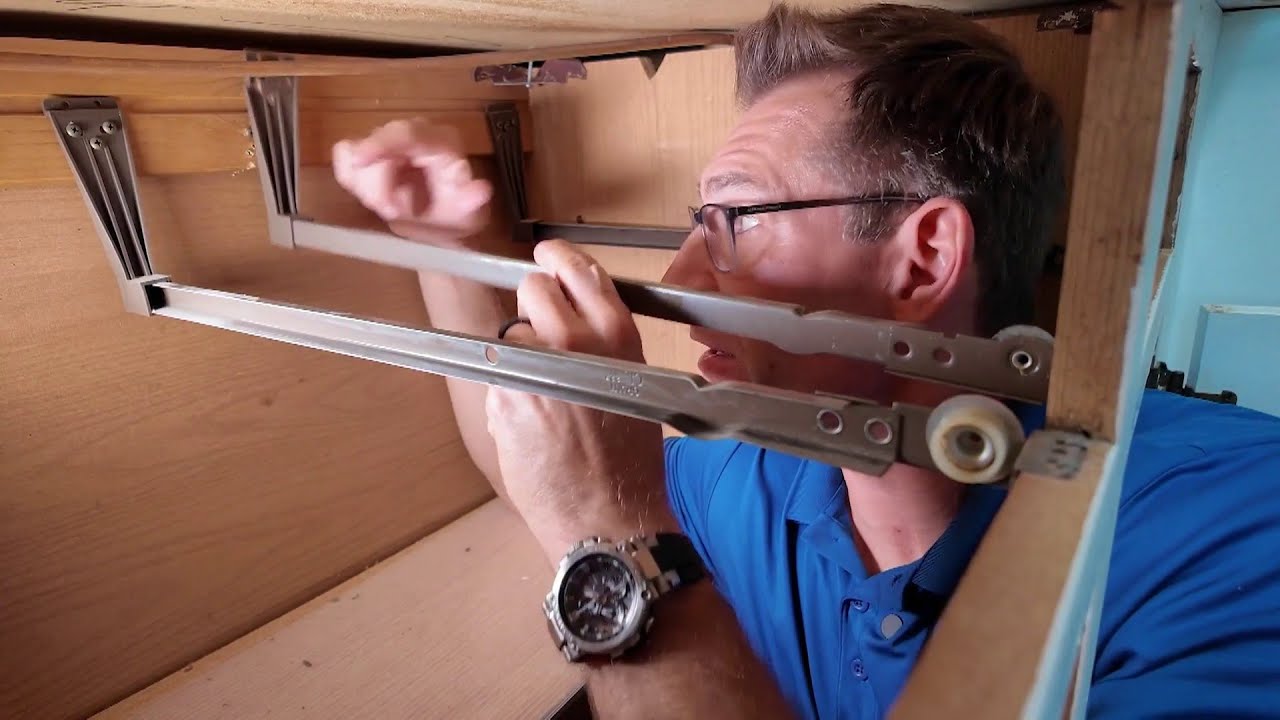
Aligning Drawer Tracks
Aligning Drawer Tracks Ensure smooth kitchen drawer movement by aligning the tracks properly. Check for misalignment or obstructions causing sticking. Adjust screws and brackets to secure the tracks in place, ensuring effortless drawer operation.
Adjusting Track Position
First, check if the drawer is not straight. Loosen the screws on the track. Move the track slightly. Make sure both sides are even. Tighten the screws again. Test the drawer by sliding it in and out. It should move smoothly without sticking. Repeat if necessary. Ensure all parts are aligned properly. This helps the drawer work well.
Replacing Damaged Tracks
Inspect the tracks for any bends or breaks. If damaged, you must replace them. Remove the screws holding the old track. Take it off carefully. Get a new track of the same size. Place it in the same spot. Screw it tightly in place. Make sure it is straight. Test the drawer to see if it moves smoothly. This keeps your drawer strong and stable.
Replacing Broken Handles
Replacing broken handles is key to fixing kitchen drawers. Remove the old handle carefully using a screwdriver. Install the new handle securely, ensuring it aligns with existing holes.
Choosing New Handles
First, measure your drawer handles carefully. Check the size and shape. Choose a style that fits your kitchen. Think about the color too. Match it with your cabinets. Choose handles that feel good to touch. They should be easy to grip. This makes opening drawers easy.
Proper Installation
Get a screwdriver and screws ready. Place the handle on the drawer. Make sure it’s straight. Hold it firmly while you screw it in. Check if it’s tight enough. You might need to adjust it a bit. Test the handle by pulling gently. Make sure it feels strong.
Preventive Maintenance
Regular cleaning keeps kitchen drawers working well. Use a soft cloth to wipe away dust. Grease and food crumbs can make drawers sticky. A mild soap and water solution works best. Dry the drawers with a clean towel. Don’t let water sit on the surface. Water can damage the wood. Clean handles and knobs too. This prevents dirt buildup.
Check your drawers often for loose screws. Tighten them with a screwdriver. Look for cracks or chips in the wood. Replace damaged parts quickly. This prevents bigger problems later. Inspect the drawer slides. Ensure they slide smoothly. Lubricate them with a little oil. This makes the drawers glide easily. Regular inspections keep your drawers in top shape.

Credit: www.facebook.com
When To Call A Professional
Complicated issues like misaligned tracks or broken hardware might need a professional’s touch. Persistent problems or safety concerns should prompt a call for expert help. Skilled technicians ensure a lasting fix, saving time and effort.
Complex Repairs
Sometimes, drawer issues are too hard to fix alone. Complex repairs need special tools. These tools are not in a normal toolbox. Broken tracks or damaged frames can be tricky. These need a professional touch. Mistakes can make the problem worse. Professionals know how to fix these issues. They have the right skills. They also have the right tools.
Custom Drawers
Custom drawers can be unique in design. These need special care. Fixing them on your own can be risky. Exact measurements are important. A small error can ruin the drawer. Professionals are skilled in handling custom designs. They ensure everything fits perfectly. This avoids further damage.
Frequently Asked Questions
How Do I Fix A Loose Kitchen Drawer?
To fix a loose kitchen drawer, first check the drawer slides and screws. Tighten any loose screws using a screwdriver. If the slides are damaged, replace them with new ones. Ensure the drawer is aligned properly with the cabinet. Regular maintenance can prevent future issues.
Why Is My Kitchen Drawer Sticking?
A sticking kitchen drawer may result from misalignment or debris. Remove the drawer and clean the slides. Check for any obstructions and remove them. Lubricate the slides with a silicone-based lubricant. Reinstall the drawer, ensuring it is aligned correctly for smooth operation.
How Can I Fix A Broken Drawer Handle?
To fix a broken drawer handle, start by removing the damaged handle. Use a screwdriver to unscrew it from the drawer front. Find a matching replacement handle. Align the new handle with the existing holes and secure it with screws.
Ensure it is tight and functional.
What Causes Kitchen Drawer Slides To Fail?
Kitchen drawer slides can fail due to wear and tear, misalignment, or debris buildup. Regularly clean and lubricate the slides to prevent dirt accumulation. Ensure the drawers are not overloaded, which can stress the slides. Proper installation and maintenance can extend their lifespan.
Conclusion
Fixing kitchen drawers can be simple with the right steps. Start by checking the rails. Loose rails often cause problems. Tighten screws if needed. For stuck drawers, clean the tracks. Dirt and debris hinder movement. Broken handles? Replace them. It’s easy and quick.
Consider using drawer liners. They prevent wear and tear. Regular maintenance keeps drawers working smoothly. Remember to organize tools neatly. A tidy space helps in repairs. With these tips, your kitchen drawers will function better. Enjoy a hassle-free kitchen experience.