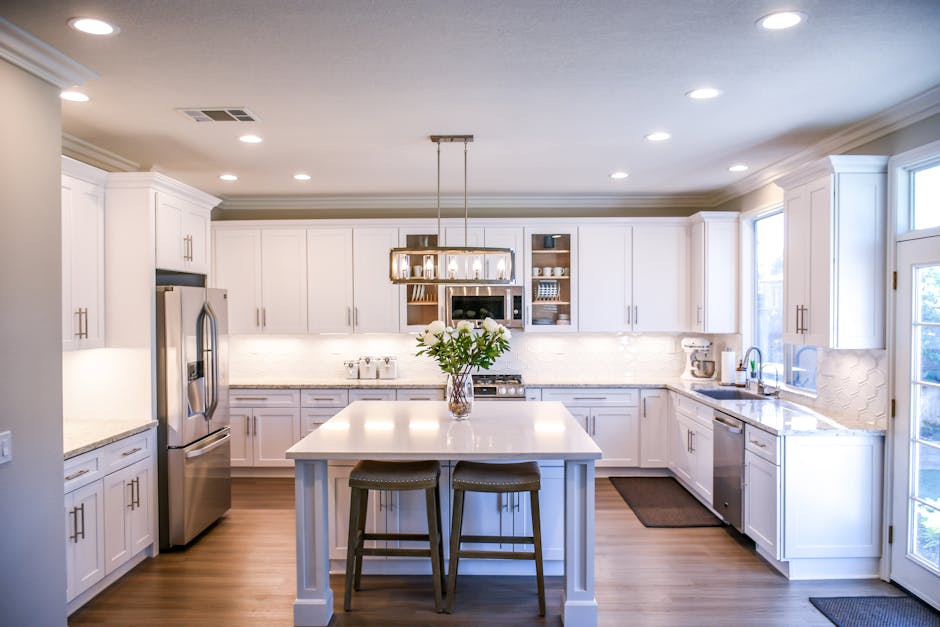
Are you tired of staring at your old kitchen cabinets and dreaming of a fresh, new look? Imagine transforming your kitchen space with cabinets that reflect your personal style and craftsmanship.
What if I told you that making your own kitchen cabinets is not only possible but also a rewarding experience? In this guide, you’ll discover simple, step-by-step instructions that can turn your kitchen renovation dreams into reality. Dive in to learn how to create stunning, custom cabinets that will not only boost the aesthetics of your kitchen but also increase its functionality.
Get ready to roll up your sleeves and unleash your inner DIY expert. Your dream kitchen is just a few steps away!

Credit: www.youtube.com
Choosing The Right Materials
Wood is a popular choice for cabinets. It’s durable and looks great. Oak, maple, and cherry are common options. Oak is strong and has a traditional look. Maple is smooth and light, perfect for modern styles. Cherry has a rich color, ideal for elegant designs.
Not all cabinets are made from wood. Metal and laminate are other choices. Metal is sturdy and gives a sleek appearance. Laminate is budget-friendly and easy to clean. Glass can also be used for a stylish touch. Each material has its pros and cons.
- Wood can be expensive, especially cherry.
- Laminate is cheaper and easy to find.
- Metal might cost more but lasts longer.
- Think about how much you want to spend.
- Balance looks with cost to find the best option.
Essential Tools And Equipment
Every kitchen cabinet maker needs a set of basic tools. A reliable tape measure is essential for accurate measurements. A sturdy hammer helps in fixing nails securely. Screwdrivers come in various sizes and are crucial for tightening screws. A saw is needed for cutting wood. A level ensures that surfaces are even. Pliers are useful for gripping and bending materials.
Specialized equipment makes cabinet work easier. A power drill speeds up drilling tasks. A circular saw is great for larger cuts. A router adds fine details and edges. A sander smooths rough surfaces. A jigsaw is perfect for intricate shapes. A nail gun fastens parts quickly. Clamps hold pieces steady while working.
Safety gear is very important for protection. Safety goggles protect eyes from flying debris. Ear protection shields ears from loud noises. Gloves guard hands against splinters and sharp edges. Dust masks keep lungs safe from sawdust. A sturdy apron shields clothes from stains. Wearing the right gear keeps you safe while working.
Designing Your Cabinets
Accurate measurements are crucial for perfect cabinets. Use a tape measure to determine width, height, and depth. Measure twice to ensure precision. Consider space for doors and drawers to open easily. Keep in mind appliances and countertops when planning.
Choose a cabinet style that matches your kitchen theme. Colors and materials play a big role. Wood offers a classic look, while laminate might be more modern. Explore different finishes like matte or gloss. Consider the overall harmony of your kitchen design.
- Include shelves for organized storage.
- Consider pull-out drawers for easy access.
- Use soft-close hinges for quiet closure.
- Install adjustable shelves for flexibility.
- Think about lighting options inside cabinets.
Cutting And Shaping The Wood
Crafting kitchen cabinets begins with cutting and shaping the wood. Precise measurements ensure pieces fit together perfectly. Use saws and chisels to achieve desired shapes, maintaining smooth edges for seamless assembly.
Cutting Techniques
Use a sharp saw for clean cuts. Measure wood pieces carefully. Mark lines with a pencil. Safety is important. Wear goggles and gloves. Cut slowly for smooth edges.
Shaping Details
Sand the edges until smooth. Round corners for safety. Use a router for fancy edges. Check measurements often. Adjust as needed for a perfect fit.
Avoiding Common Mistakes
- Double-check measurements before cutting.
- Don’t rush the cutting process.
- Keep tools clean and sharp.
- Test fit pieces before final assembly.
Assembling The Cabinets
Strong joints make cabinets last longer. Use dowels or biscuits for connections. These pieces help hold wood together. Glue adds extra strength to joints. Always use wood glue for strong bonds. Keep pieces tight while the glue dries.
Screws and nails hold parts together. Screws are best for strong holds. Use a drill to make holes before screwing. This stops wood from breaking. Nails work well for quick jobs. A hammer is needed for nails. Fasteners keep cabinets steady.
Brackets and corner supports add stability. Place brackets inside corners. This keeps parts from wobbling. Leveling feet make sure cabinets stand straight. Adjust feet until the cabinet is even. Stable cabinets last longer and look better.

Credit: food52.com
Finishing Touches
Adding handles and knobs gives cabinets a polished look. Choose finishes that match your kitchen’s style. Consider sleek metals or classic wood for a cohesive appearance.
Sanding And Smoothing
Use sandpaper to make surfaces smooth. Start with coarse grit sandpaper. This helps remove rough spots. Then, switch to fine grit sandpaper. It makes the surface very smooth. Always sand in the same direction. This prevents scratches. Wipe the dust with a damp cloth.
Applying Paint Or Stain
Choose a color you like. Use a brush or roller to apply paint. Stains need a soft cloth for even application. Apply thin layers to avoid drips. Let each layer dry completely. This makes the cabinets look nice. Always work in a well-ventilated area.
Installing Hardware
Pick knobs or handles that match your style. Use a screwdriver to attach them. Make sure they are tight. Check if they align properly. This ensures the cabinet doors open easily. Hardware adds a final touch to your cabinets.
Installing The Cabinets
Clear the kitchen space before starting. Ensure the floor is clean and even. Measure walls and mark where cabinets go. Double-check your measurements. Use a pencil for marking. Gather all tools and materials. This makes work easier. Have a plan for smooth installation.
Start with the upper cabinets. Use a stud finder to locate wall studs. Mark these spots clearly. Drill holes where needed. Use strong screws for mounting. Ensure each cabinet is secure. Work carefully to avoid mistakes. Check each cabinet for stability.
Use a level tool for precision. Place it on top of cabinets. Adjust if not even. Use shims to fill any gaps. Ensure doors and drawers open smoothly. Check alignment regularly. This ensures a neat finish. Keep adjusting until perfect.

Credit: www.youtube.com
Maintenance And Care
Use a soft cloth to wipe cabinets regularly. Remove dust gently to avoid scratches. For tough stains, mix water with mild soap. Dab the spot with a damp cloth. Dry the area completely to prevent moisture damage. Avoid harsh chemicals that can harm the finish.
Inspect hinges and handles every few months. Tighten loose screws promptly. Fix small chips with wood filler. Touch up paint as needed. If doors sag, adjust hinges to realign. Replace worn-out parts to maintain functionality.
- Keep cabinets away from direct sunlight.
- Use shelf liners to protect surfaces.
- Ensure good ventilation to avoid moisture build-up.
- Avoid hanging heavy items on doors.
- Regularly check for mold and pests.
Frequently Asked Questions
What Materials Are Best For Kitchen Cabinets?
The best materials for kitchen cabinets include solid wood, plywood, and MDF. Solid wood offers a traditional look, while plywood provides durability. MDF is cost-effective and versatile, ideal for smooth finishes. Each material has its benefits, so consider your budget and style preferences when choosing.
How To Choose Cabinet Hardware?
Select cabinet hardware based on functionality and style. Consider knobs or pulls that complement your kitchen’s design. Ensure durability by choosing materials like stainless steel or brass. Test the feel and ease of use before purchasing. Hardware can enhance the overall aesthetic of your kitchen.
Can I Paint My Kitchen Cabinets?
Yes, painting kitchen cabinets is a cost-effective way to update your space. Use high-quality paint and primer for a lasting finish. Clean and sand the surfaces before painting for better adhesion. Choose colors that complement your kitchen’s design. A fresh coat can dramatically transform your kitchen’s look.
How To Maintain Kitchen Cabinets?
Maintain kitchen cabinets by cleaning them regularly with mild detergent and water. Avoid harsh chemicals that can damage finishes. Check hinges and hardware periodically for wear and tear. Use soft cloths to prevent scratches. Proper maintenance extends the life and appearance of your cabinets.
Conclusion
Creating kitchen cabinets doesn’t have to be complex. With the right tools and guidance, anyone can craft beautiful cabinets. Start by planning your design. Choose quality materials for durability. Follow each step carefully to ensure a smooth process. Customize your cabinets to fit your kitchen style.
Pay attention to details for a polished look. Enjoy the satisfaction of building something yourself. This hands-on project adds value to your home. Plus, it enhances your kitchen space. Ready to try it? Dive into cabinet making and transform your kitchen today! Your efforts will truly shine.