If you’ve ever wished meal prep could be faster and less messy, a KitchenAid food processor is your new best friend. But maybe you’re not sure how to get the most out of it.
That’s where this guide comes in. You’ll discover simple steps to use your KitchenAid food processor like a pro, saving you time and effort in the kitchen. Ready to make cooking easier and more enjoyable? Keep reading, and you’ll unlock the full power of your food processor today.
Getting To Know Your Kitchenaid Food Processor
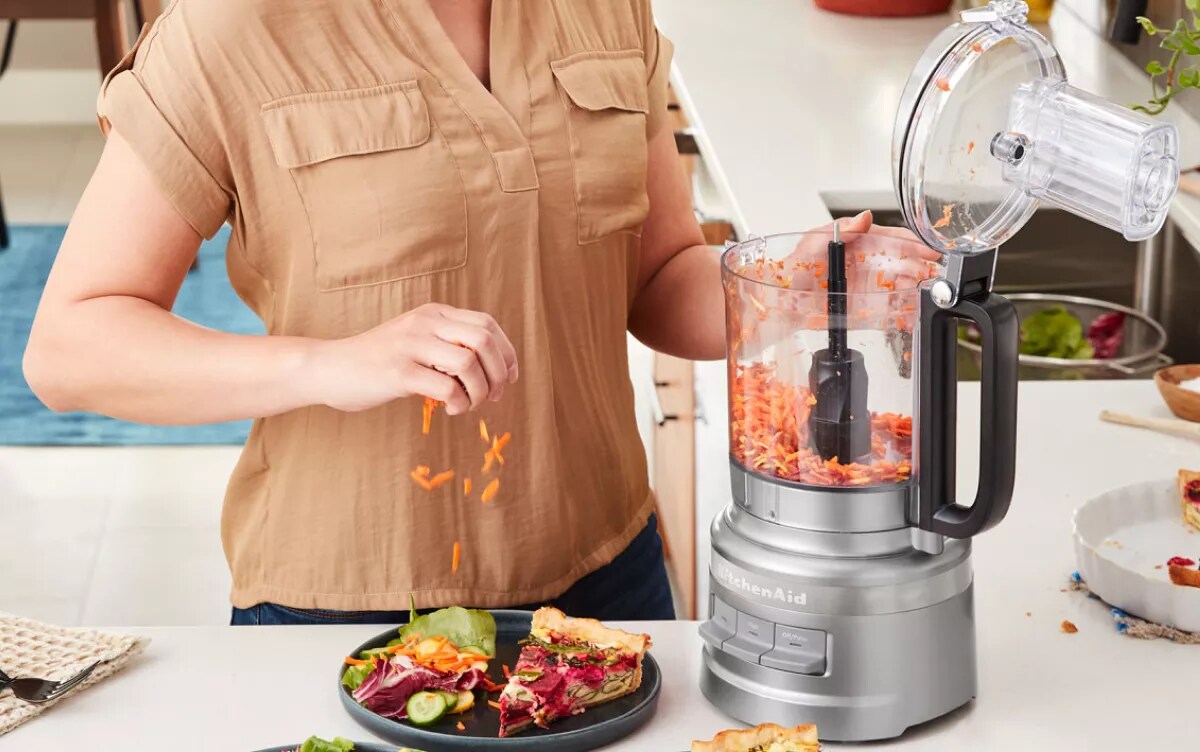
The KitchenAid food processor has several main parts. The baseholds the motor and controls. The bowlis where you put food. A lidcovers the bowl and locks in place for safety. The feed tubelets you add ingredients while processing. Different bladesand discs fit inside the bowl to chop, slice, or shred food.
Safety is very important. The processor won’t start unless the lid is locked securely. This prevents accidents. The base has non-slip feetto keep it steady during use. There is also an automatic shut-offif the motor gets too hot.
- Slicing discfor thin or thick slices.
- Shredding discfor cheese or vegetables.
- Multipurpose bladefor chopping and mixing.
- Dough bladefor kneading dough.
- Spatulato help remove food from the bowl.
Credit: www.kitchenaid.com
Setting Up The Processor
Start by placing the main bowlon the base. Align it properly to ensure it fits securely.
Next, select the bladeyou need. Use the chopping bladefor vegetables and nuts. The dough bladeis best for bread and pastry dough. For slicing or shredding, use the slicing discor shredding disc.
Place your chosen blade carefully onto the bowl’s spindle. Make sure it sits firmly.
After that, put the lidon the bowl. Align the arrows or marks if your model has them.
Press the lid down until it locksin place with a click sound. This is important for safety and proper use.
- Check that the bowl is locked on the base.
- Blade must be secure and not loose.
- Lid should be tightly closed.
Operating The Food Processor
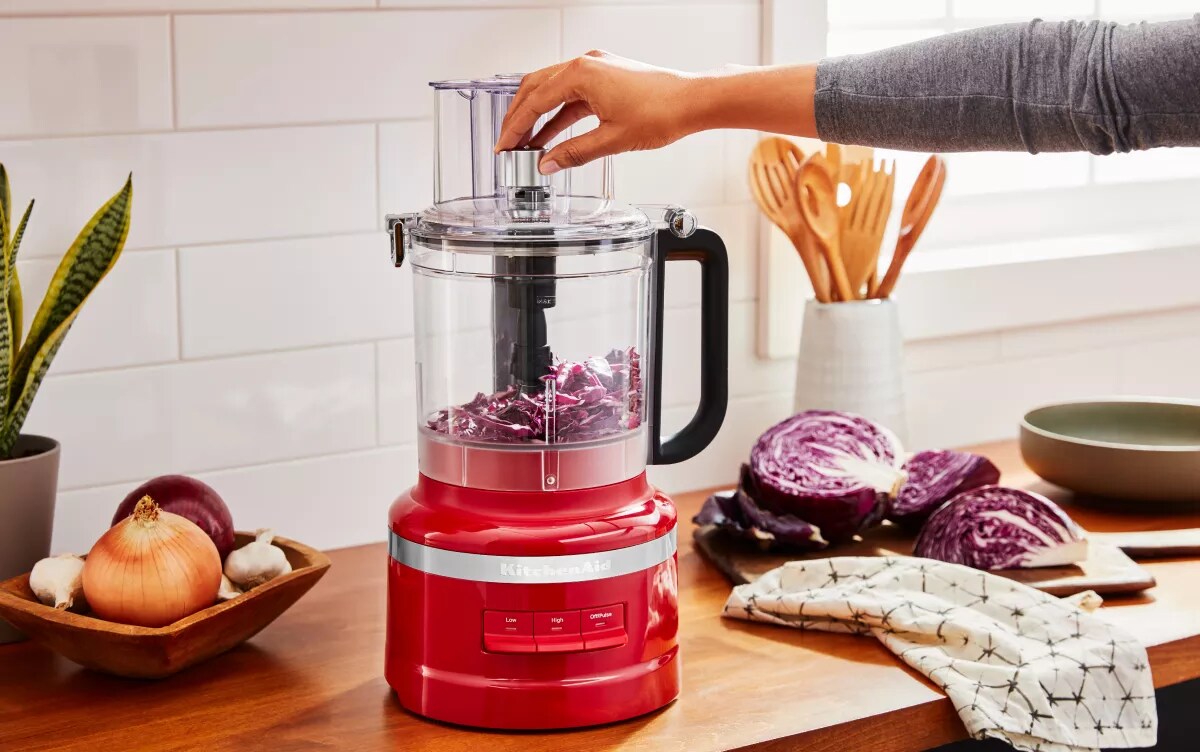
The power settingson a KitchenAid food processor control how fast the blades spin. Use the low speedfor gentle mixing or stirring. The high speedis best for chopping or pureeing hard foods quickly.
The pulse functionlets you chop food in short bursts. This gives you more control over the texture. Press and release the pulse button to avoid over-processing. It’s perfect for making chunky salsa or coarse crumbs.
- Cut food into even pieces before processing.
- Do not overfill the bowl; leave space for food to move.
- Use the right blade for the task to get the best result.
- Stop occasionally to check texture and scrape down sides.
- Always lock the lid securely before turning on the machine.
Credit: www.kitchenaid.com
Common Tasks Made Easy
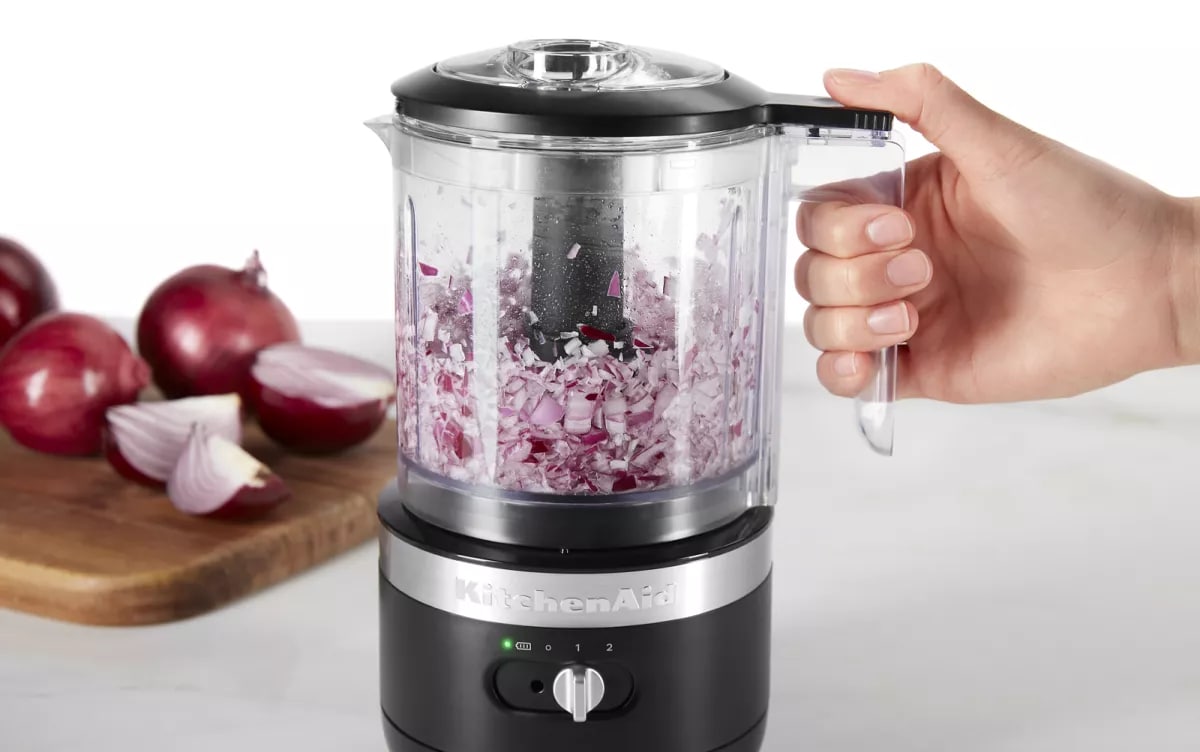
The KitchenAid food processor handles many kitchen tasks quickly and easily. Chopping vegetablesis simple: cut them into chunks, place in the bowl, and pulse a few times. This gives you even pieces for cooking or salads.
For making dough, use the dough blade attachment. Add flour, yeast, water, and salt into the bowl. Let the processor mix and knead the dough until smooth. This saves time and effort compared to hand kneading.
Shredding and slicingare fast with the right discs. Use the shredding disc for cheese, carrots, or cabbage. The slicing disc works well for cucumbers, potatoes, or onions. Just feed the food through the chute while the processor runs.
Cleaning And Maintenance
Always unplug the food processor before disassembling. Remove the bowl and lid carefully. Avoid touching the blades directly as they are sharp. Hold the blades by the center hub to prevent cuts. Place parts on a clean surface for washing.
Wash the blades and bowl with warm, soapy water. Use a soft sponge to avoid scratches. Rinse thoroughly to remove soap. Dry all parts with a clean towel to prevent rust. Never put the motor base in water.
- Store blades separately in a safe container to avoid damage.
- Keep the bowl and lid in a dry place to stop mold growth.
- Cover the motor base with a cloth to keep dust away.
- Check parts regularly for cracks or wear and replace if needed.
Credit: www.kitchenaid.ca
Troubleshooting Tips
Processor won’t start:Check if the food processor is properly plugged in. Ensure the bowl and lid are locked in place. The safety mechanism stops the motor if parts are not aligned. Try pressing the reset button if your model has one. Inspect the power cord for any damage. A faulty outlet could also cause issues, so test with another appliance.
Uneven chopping:Make sure the blade is sharp and installed correctly. Overloading the bowl can cause uneven results. Cut larger pieces into smaller ones before processing. Pulse the processor instead of running it continuously for better control. Stir contents between pulses for an even chop.
Unusual noises:Loud or strange sounds may mean something is stuck under the blade. Turn off and unplug the device before checking. Remove any hard bits like bones or nuts that may cause noise. Worn-out parts may need replacement. Regular cleaning helps prevent buildup that causes noise.
Frequently Asked Questions
How Do I Assemble A Kitchenaid Food Processor?
To assemble, place the bowl on the base and turn to lock. Attach the blade or disc onto the bowl’s center post. Secure the lid by aligning and locking it into place. Ensure all parts click for safety before use.
What Foods Can I Process In Kitchenaid?
You can chop vegetables, shred cheese, slice fruits, and knead dough. It handles nuts, herbs, and even purees for sauces or baby food. Avoid processing hot liquids to prevent damage or spills.
How Do I Clean A Kitchenaid Food Processor?
Disassemble all removable parts and wash with warm, soapy water. Most components are dishwasher safe but check the manual. Wipe the base with a damp cloth. Dry parts thoroughly before reassembling or storing.
Can I Use Kitchenaid For Dough Kneading?
Yes, use the dough blade attachment to knead bread or pizza dough. Add ingredients gradually and avoid overloading. The processor saves time and creates evenly kneaded dough for baking.
Conclusion
Using a Kitchenaid food processor saves time and effort in the kitchen. It chops, slices, and mixes ingredients quickly. You can prepare meals with less mess and stress. Remember to follow safety steps and clean parts after use. Practice will help you get comfortable with its functions.
Enjoy cooking with this handy tool every day. Simple, fast, and useful. Cooking made easier.