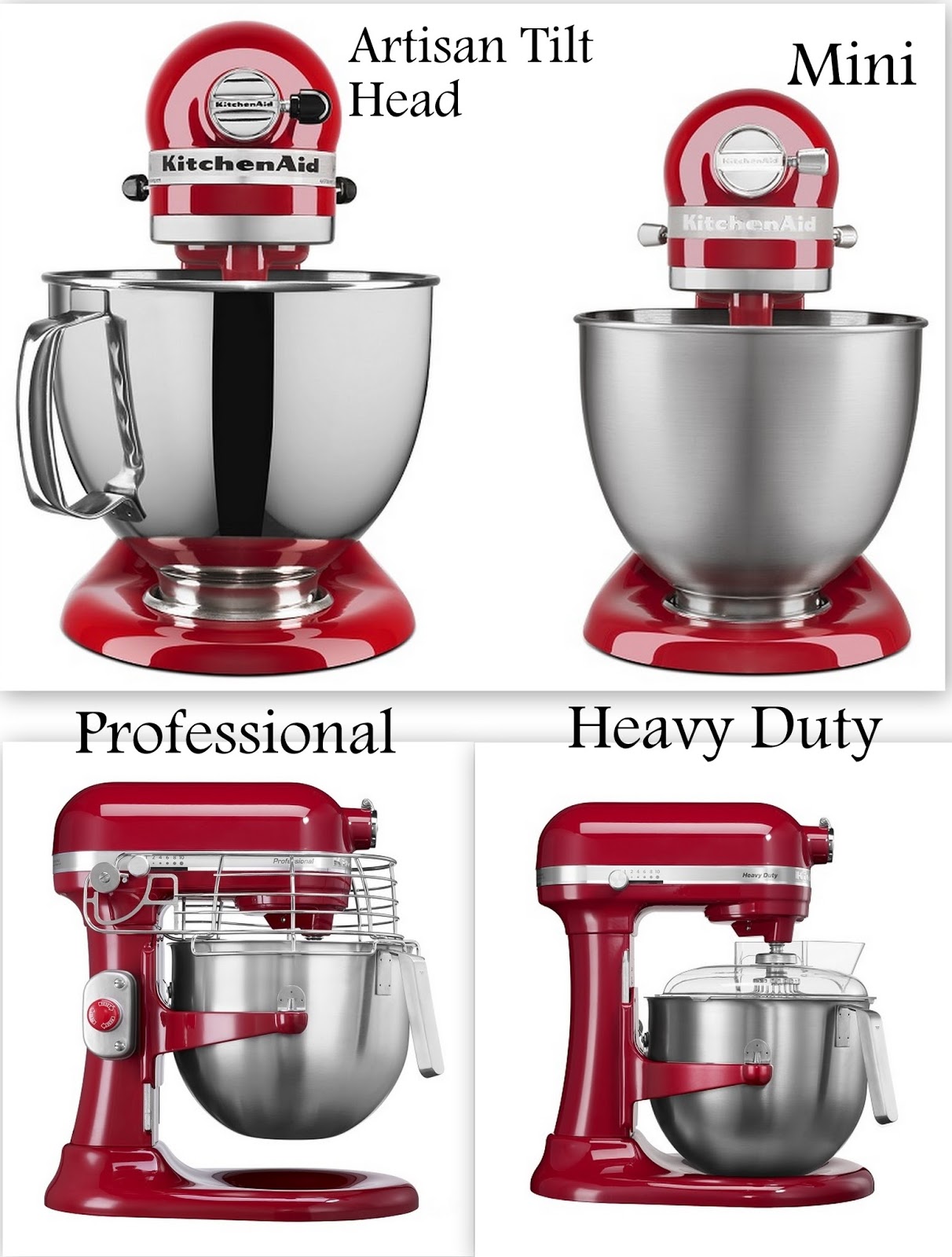
If you’ve just got your KitchenAid stand mixer or have been curious about how to get the most out of it, you’re in the right place. This powerful kitchen tool can make baking and cooking easier, faster, and more fun—but only if you know how to use it properly.
In this guide, you’ll discover simple, step-by-step tips that will help you master your mixer quickly. Whether you want to whip, knead, or mix like a pro, understanding your KitchenAid stand mixer will change the way you cook forever. Keep reading to unlock the full potential of your mixer and impress everyone with your kitchen skills!
Getting Started With Your Mixer
Open the box carefully and check all parts inside. The mixer usually includes the main unit, bowl, paddle, whisk, and dough hook. Attach the bowl by lining it up with the base and turning it until it locks in place. Next, choose the right accessory for your recipe. Align the accessory with the mixer head and push it up until it fits securely.
The mixer has a power switch to turn it on and off. Use the speed dial to choose how fast the mixer runs. Start with a low speed for light mixing. Increase speed for thicker dough or heavy mixtures. Always begin slow to avoid splashing ingredients.
Choosing The Right Attachment
The Flat Beateris best for mixing normal to heavy batters. It works well with cake mixes, cookie dough, and mashed potatoes. It blends ingredients evenly without overworking the mix.
The Dough Hookis designed to knead dough easily. Use it for bread, pizza, and pasta dough. It saves time and effort compared to hand kneading.
The Wire Whipadds air to mixtures. It is perfect for whipping cream, egg whites, and making meringues. It helps create light and fluffy textures quickly.
Basic Mixing Techniques
Mixing batter and doughrequires using the right attachment. The flat beater works well for batters like cake or cookie mix. Use the paddle at low speed to combine ingredients evenly. Avoid overmixing to keep the texture soft and light.
Whipping cream and egg whitesneed the wire whisk attachment. Start at low speed, then increase gradually. Whip until soft or stiff peaks form, depending on the recipe. Watch closely to avoid over-whipping, which can cause separation.
Kneading doughis easier with the dough hook. It handles bread or pizza dough well. Let the mixer run at low speed to develop gluten and create a smooth, elastic dough. Stop and check if the dough feels sticky or dry; adjust flour or water accordingly.

Credit: www.eater.com
Advanced Tips And Tricks
Adjust speed based on the task. Use low speed for stirring and high speed for whipping. Slow speeds prevent flour clouds when mixing dry ingredients. Faster speeds create fluffy dough or whipped cream. Avoid sudden speed changes to protect the motor.
Common mistakes include overfilling the bowl and using wrong attachments. Always start mixer before adding ingredients to stop splashes. Keep the mixer stable on the counter to avoid spills. Use the paddle for most recipes, whisk for whipping, and dough hook for kneading.
Cleaning after each use keeps the mixer working well. Unplug before cleaning to stay safe. Wipe the base with a damp cloth. Remove attachments and wash in warm, soapy water. Dry parts fully before reattaching. Check vents for dust and clean gently with a brush.
Exploring Additional Features
The pouring shieldhelps add ingredients without mess. It fits on top of the bowl and stops splashes. Use the chute to pour liquids or dry ingredients safely.
Optional accessories expand mixer use. Attachments like pasta makers or meat grinders fit on the front hub. Make sure to tighten the attachment knob before use.
| Upgrade | Benefit |
|---|---|
| Additional Bowls | Switch bowls for different recipes quickly |
| Different Attachments | Customize mixer tasks easily |
| Higher Wattage Motors | Handle tougher doughs and mixes |

Credit: www.eater.com

Credit: food52.com
Frequently Asked Questions
How Do I Attach Accessories To My Kitchenaid Stand Mixer?
To attach accessories, first unlock the mixer head. Align the accessory hub with the attachment, then twist to lock. Ensure it fits securely before use for safe operation.
What Speed Settings Should I Use For Different Recipes?
Use low speeds for stirring and folding. Medium speeds work for mixing batters. High speeds are ideal for whipping cream or egg whites.
How Do I Properly Clean My Kitchenaid Stand Mixer?
Unplug the mixer before cleaning. Wipe the exterior with a damp cloth. Remove and wash the bowl and attachments with warm, soapy water. Avoid submerging the mixer base.
Can I Use My Kitchenaid Mixer For Dough Kneading?
Yes, use the dough hook attachment and a low to medium speed. This prevents overheating and ensures proper kneading of bread or pizza dough.
Conclusion
Using a KitchenAid stand mixer is simple and saves time. Attach the right tool for your recipe. Start slow, then increase the speed as needed. Always keep an eye on the mixing process. Clean the mixer parts after each use to keep it working well.
Practice helps you feel more confident. Enjoy making delicious recipes with less effort. Your KitchenAid mixer can be a helpful kitchen partner. Try different attachments to explore new cooking ideas. Keep these tips in mind for easy, smooth mixing every time.